

REVIEW · SKIP THE LINE
Pompeii: Skip-the-Line Guided Tour with Expert Archaeologist
Pompeii hits you fast. This skip-the-line guided walk brings in trained archaeologists, so the ruins feel readable instead of random stones.
I love the way the route targets daily Roman life, from bakeries and shopfronts to public baths. I also like that you get headsets and a small-group feel, with guides like Anna and Enzo keeping the stories crisp and easy to follow.
The main drawback is simple: you walk. Expect a 2 to 3 hour trek on uneven ground with limited shade, so plan for the heat and wear solid shoes.
Key Things I’d Focus On
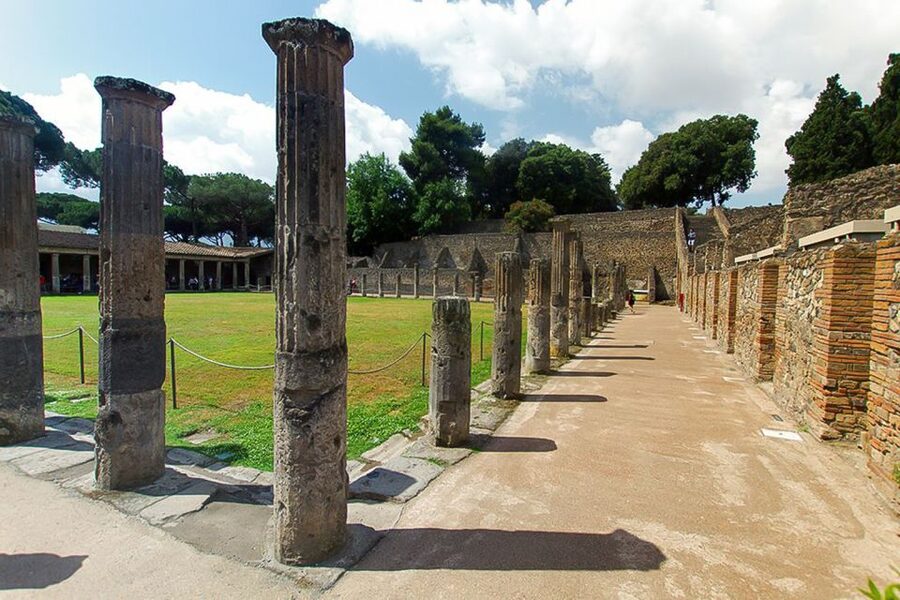
- Skip-the-line entry plus headsets so you spend less time queued and more time learning
- An archaeologist leads the route, not just a standard tour guide script
- A bigger slice of Pompeii than you’d get on a quick highlights loop, especially with the longer option
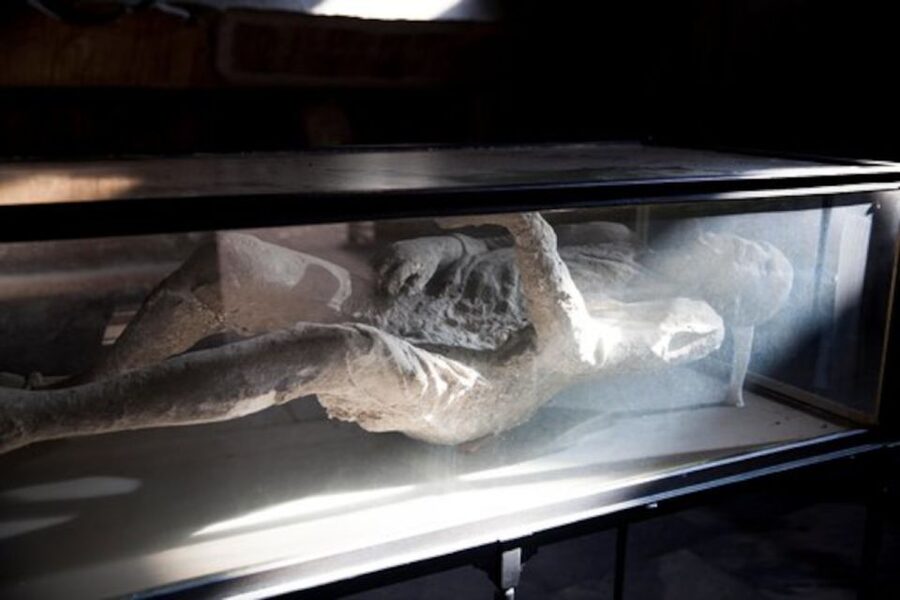
- High-emotion stops, including plaster casts of people caught in the eruption
- Ongoing archaeology is part of the tour, with the itinerary adapting as new discoveries appear
- Practical pacing for different groups, with guides who answer questions and keep things moving
Why an Archaeologist Changes Pompeii From Ruins to Real Life
Pompeii is famous, but it can also be mentally exhausting. You look at a street, a doorway, a wall, and you still wonder, so what am I actually seeing? This tour is built to fix that problem with an archaeologist who explains what you are looking at and why it mattered.
The big win is interpretation. When someone trained in the site walks you through places like the Roman Forum area, a bakery where food is nearly intact, or the plaster casts, you stop treating Pompeii like a museum photo. You start seeing how people ate, shopped, bathed, and lived under the same rooflines and street rules you can still trace today.
And because this is a small-group experience with headsets, you do not have to crowd close to hear answers. That matters at Pompeii, where everything is spread out and the crowds can make talking impossible. Guides such as Iliana, Ilara, and Sonya are often praised for their clear English, strong storytelling, and for turning questions into real conversation.
Meeting at Via Villa dei Misteri and Beating the Lines
You start at Via Villa dei Misteri, 1. Arrive 15 minutes early. The meeting happens at the Entrance Gate for the Pompeii Archaeological Park, across from the Hortus Pompei restaurant, where your guide holds a green walks sign.
The skip-the-line part is not just a convenience. Pompeii’s lines and entry flow can eat up your best energy. By pre-booking reserved tickets, you reduce waiting and keep your time on the ground, walking through the site while the light and your attention are still good.
You’ll also want to time the rest of your day around this tour. It is not a quick stroll. Expect moderate walking throughout, and bring what you need because the park is large and the day can feel relentless.
One more practical note from the experience itself: the limited facilities inside the park mean you should treat bathrooms and water as planned stops, not something you can rely on happening whenever you feel like it.
Forum and Temple of Apollo: The Center of Public Life
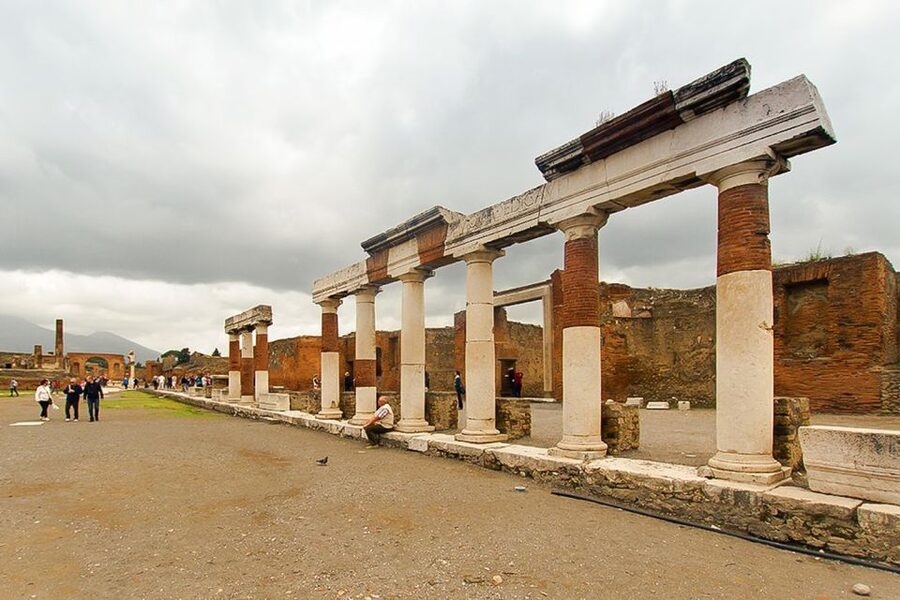
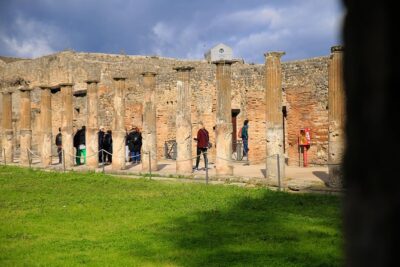
If Pompeii had a main spine, you’d see it in the Roman Forum zone. This is where civic life played out, and it is one of the best ways to understand how Romans organized their world. A good guide connects buildings, symbols, and everyday behavior.
On this tour, you focus on the most meaningful parts, including stops tied to the Forum and the Temple of Apollo. The point is not just to see big stones. You learn how these spaces functioned, what people gathered for, and how authority and religion showed up in public architecture.
This is also where a trained archaeologist helps you read the details. Pompeii is full of patterns. Doors align a certain way. Space gets measured and repeated. Once someone explains how to look, you start spotting those clues everywhere, and you get less lost.
If you are the type who likes context, this section will feel like the tour’s foundation. If you are mostly here for dramatic ruins, it still delivers because the Forum and temple areas tend to be some of the most striking and emotionally charged places once you understand what you are seeing.
Bakeries, Shops, and the Pompeii Objects You Can Still Imagine
Pompeii becomes real when you reach the everyday stuff. This tour does exactly that, guiding you past rooms and storefronts where ordinary life happened, not just grand monuments.
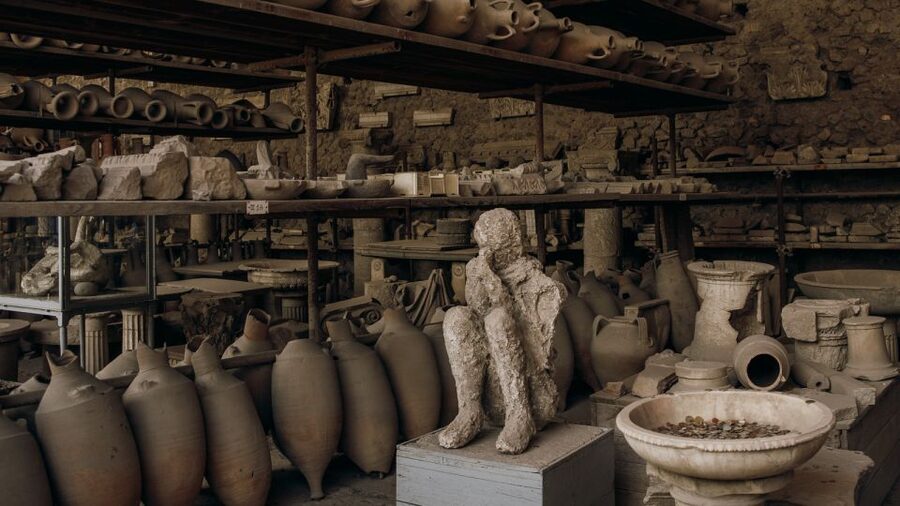
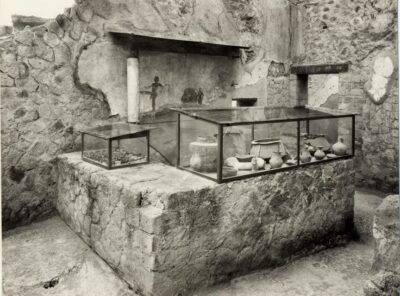
A standout stop is a Roman bakery where food is still almost intact. Even if you have seen photos, seeing a real preserved setting changes how you picture the moment before the eruption. It is not a generic ancient kitchen. It is a working bakery environment, still holding onto traces.
You also visit remains tied to trade and daily services, including the Roman Forum area’s surrounding commercial spaces, and mentions of an ancient supermarket and other shopfront zones on the route. There is even time for the sort of details that most people miss when they wander on their own, like what certain room layouts imply about how products moved through a business.
This section is where you’ll likely feel the most gratitude for the guide. You might walk by a doorway and think, okay, it was probably a shop. The archaeologist’s job is to give you the missing links, so you understand what the business likely did, who used it, and how it fit into the city’s rhythm.
Baths, Villas, and How People Spent Their Time
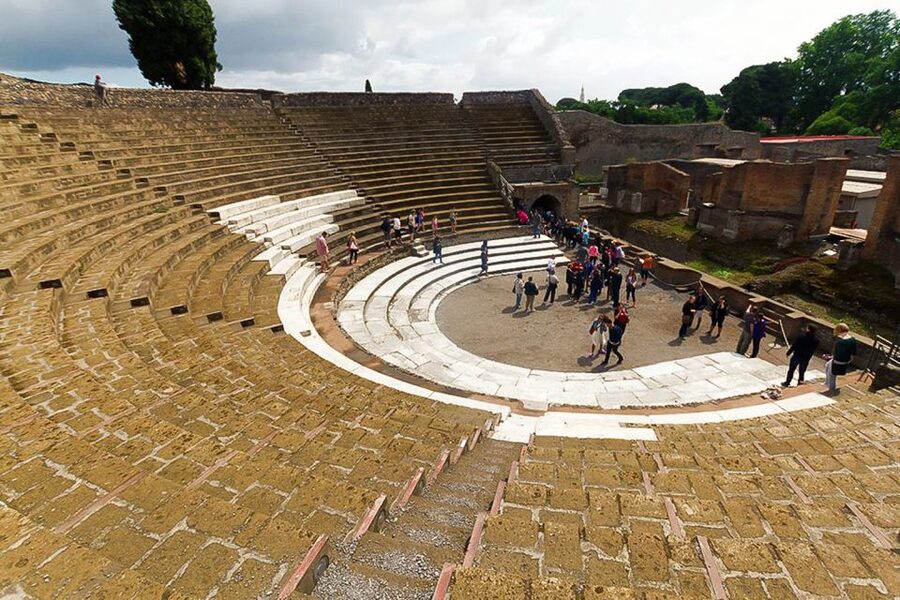
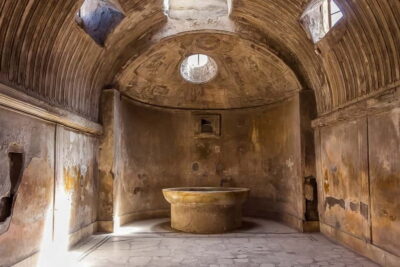
Pompeii was not only streets and temples. It was also routines, leisure, and comfort. The tour route includes the remains of baths as well as villas and houses, so you can compare public spaces with private life.
Baths are a big deal in Roman culture. They were social hubs as much as hygiene facilities. Watching how the bath areas are laid out helps you understand what a morning or evening might have looked like, and why certain rooms and connections mattered.
Villas and residences add another layer. They help you see social differences and how the city’s wealth distribution could show up in architecture and household design. You get a better sense of what residents prioritized, from entertaining spaces to quieter corners where daily tasks happened.
This is also where the tour’s pacing matters. You are walking a lot, and you need time to connect one site to the next. Guides often take a methodical approach, and you should expect stop-and-explain moments rather than a fast handoff to the next location.
Plaster Casts: The Most Emotional Part of Pompeii
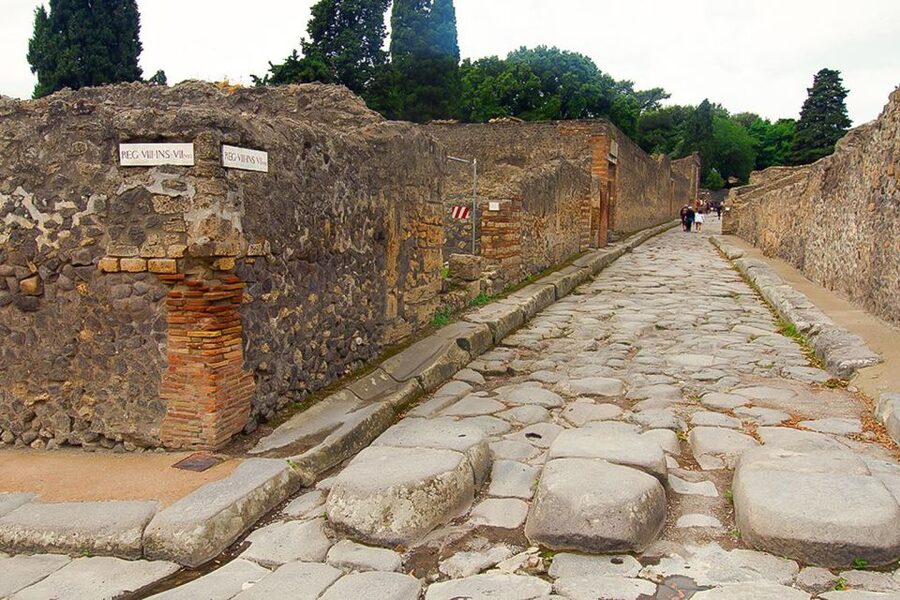
No matter how prepared you think you are, Pompeii’s most unforgettable section is usually the tragedy. This tour includes the eerie plaster casts of people caught in the eruption at the moment of their death.
This is not a casual stop. The guide frames what you are seeing, so it lands as human history instead of a macabre photo opportunity. You learn how the casts were made and why they are such a powerful record of the event.
If you want Pompeii to feel meaningful, this is the moment. If you prefer lighter sightseeing, you might find this part heavy, but it is also the reason Pompeii stays with people.
The tour’s archaeologist role matters here, too. It’s easy to talk vaguely about catastrophe. A trained guide keeps the explanations grounded in what the evidence suggests, and you leave with a better understanding of the scale and speed of the disaster.
Brothel and City Walls: Boundaries, Views, and Group Choice
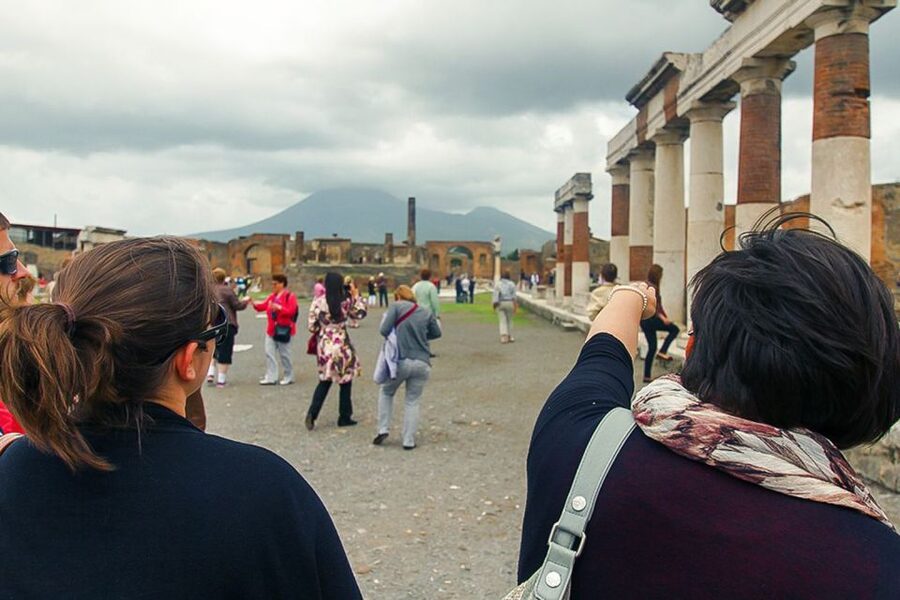
The tour also includes a stop at one of the old brothels, if appropriate for your group. This matters because Pompeii is not sanitized, and part of learning the site is understanding that Romans had their own norms, businesses, and social boundaries.
Not every tour includes this kind of detail, and that is why this one stands out. You see more of the city’s real functioning, not just the postcard-friendly pieces.
You also stroll along old city walls for panoramic views of Naples. Even if you have already seen the coastline from elsewhere, getting the perspective from Pompeii’s edge helps you understand the city’s geography and what it meant to live there.
One thing to keep in mind: your group’s composition can affect how the guide handles sensitive stops like the brothel. The tour is flexible about that, and it’s reasonable to expect an adjusted approach depending on comfort levels.
Heat, Shoes, and the Realities You Should Plan For
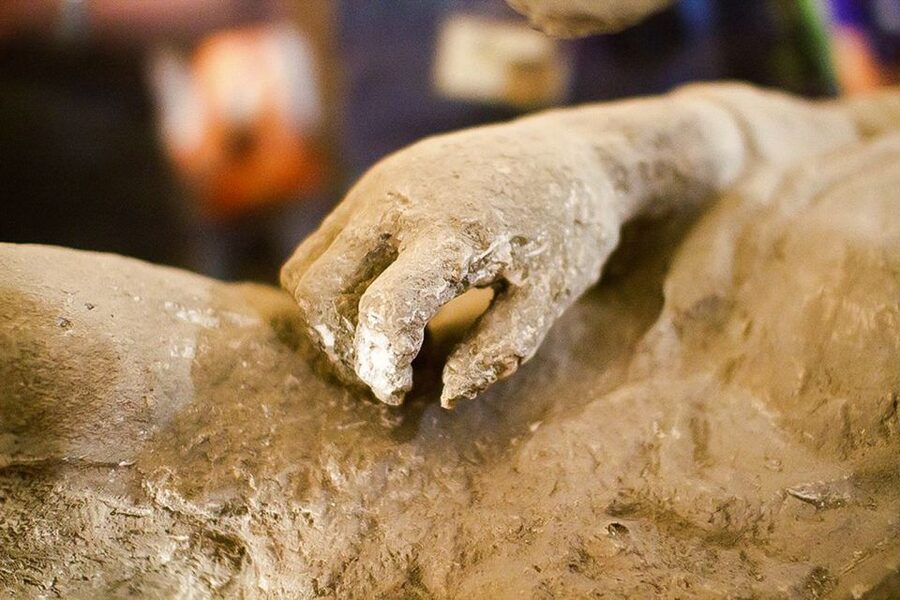
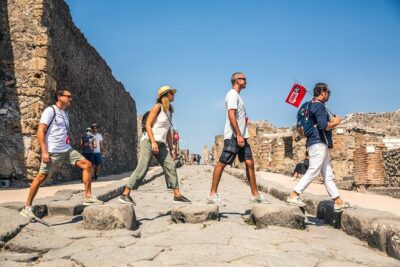
Pompeii is hot. That is not advice, it’s physics. Multiple people call out how intense the sun and stone feel, especially because there is limited shade.
Do yourself a favor and pack for discomfort before it starts. Closed-toe shoes come up again and again, and a UV umbrella is a smart idea if you run hot. Also bring water, and keep your day flexible enough to slow down when you need to.
From an on-the-ground perspective, plan around facilities. One person noted that bathrooms and a place to buy drinks or food were limited, with a big park footprint and queues. That means you should not rely on last-minute purchases during the tour.
Also remember the rules: high-heeled shoes are not allowed, and baby strollers are not permitted. It is a walking tour at a moderate pace. If you have mobility limits, it is not suitable.
If you can handle heat and walking, the payback is huge. When the group stops in the right shade spots, it becomes manageable. A good archaeologist guide often works around the sun, keeping the experience flowing without turning it into a survival test.
The Ongoing Excavation Angle: Why This Tour Feels Current
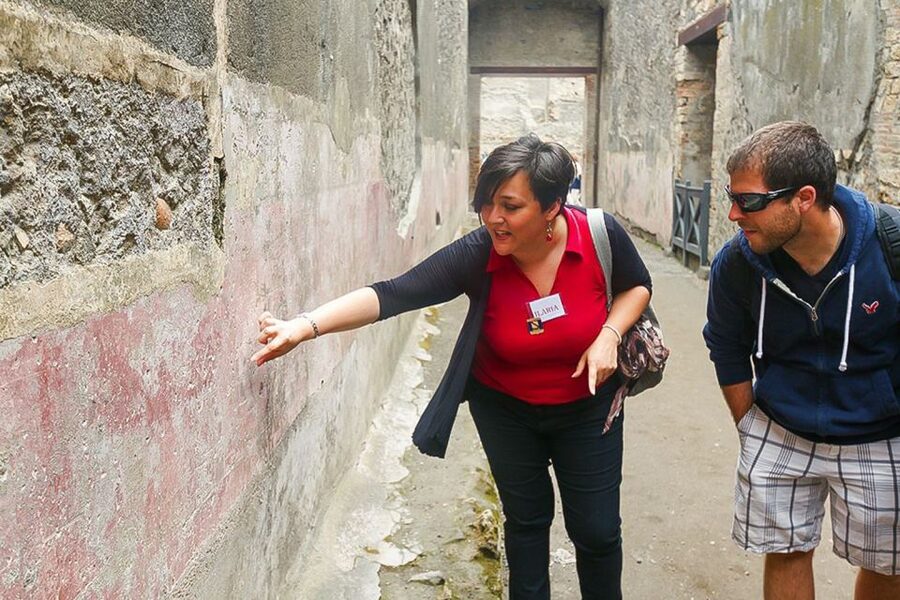
A lot of Pompeii tours treat the ruins like they are finished. This one treats them like what they are: a site that is still being uncovered and preserved.
About a third of Pompeii remains uncovered, and excavation and preservation work continues. Your guide adapts the itinerary as new discoveries are made, so your visit can feel less like a fixed script and more like you are seeing part of an active research story.
This ongoing excavation approach changes how you interpret the city. Instead of thinking, Pompeii is frozen in time, you understand that modern archaeology constantly revises what we know, corrects earlier interpretations, and reveals new evidence.
That feeling of discovery shows up in praise for guides who focus on recent finds and in the note that you may get a look at newly opened archaeological areas on certain routes.
Even if you have visited Pompeii before (or studied it online), the idea of continuing excavation makes your visit more alive. You are not just watching the past. You are seeing how the past is still coming to light.
After the Tour: How to Explore Without Getting Lost
Once the guide finishes, you will likely want to keep walking. That is a good sign. You get a map in your head, a set of themes, and the ability to spot details you would miss alone.
Plan your second half day with the size of Pompeii in mind. Even with a strong guided route, you cannot cover everything. So your best move is to return to areas that match what you care about most: daily life, public monuments, or the emotional core.
Also, use your tour as orientation. With the explanations you got about the Forum, temples, bakeries, baths, and the tragic casts, you’ll be able to identify relationships between buildings and street layouts faster.
If the day is hot, keep your post-tour wandering shorter and more strategic. Grab a few extra sights you feel drawn to, then give yourself time to cool down before heading back toward Naples.
Should You Book This Pompeii Skip-the-Line Archaeologist Tour?
Book it if you want Pompeii to make sense. This tour is built for visitors who do not want to leave with vague impressions like impressive ruins and instead want explanations rooted in archaeology, including ongoing excavations.
It is also a great choice if you like asking questions. The small-group format and headset setup support that. People repeatedly praise the guides for clarity in English, for making the tour feel engaging without rushing, and for storytelling that keeps you focused even in a place this large.
Skip it or rethink it if walking for 2 to 3 hours on uneven ground in strong sun sounds like a bad day. The route is not designed for wheelchairs, and strollers are not allowed. If heat and stamina are issues, you may want a different plan.
If you can handle the practical side, this is one of the best value ways to experience Pompeii, because you pay not only for access, but for real interpretation from an archaeologist who can turn streets and buildings into a coherent story.
FAQ
How long is the Pompeii guided tour?
The tour lasts about 2 to 3 hours, depending on the selected option.
Where does the tour meet?
It meets at the Entrance Gate of the Pompeii Archaeological Park, across from the Hortus Pompei restaurant. The meeting point is at Via Villa dei Misteri, 1, and the guide holds a green walks sign.
Is hotel pick-up and drop-off included?
No, hotel pick-up and drop-off are not included.
What is included in the price?
The tour includes pre-reserved skip-the-line tickets, an official Pompeii tour guide, and headsets when needed.
What language is the tour in?
The tour is offered in English.
Is this a walking tour?
Yes. It is a walking tour, and you should be able to walk at a moderate pace without difficulty.
Is the tour suitable for wheelchair users or mobility impairments?
No. It is not suitable for guests with mobility impairments, wheelchair users, or strollers. High-heeled shoes are also not allowed.
With a Local Guide
- Pompeii: Entry Ticket with Optional Audio Guide★ 4.2 · 12,360 reviews
- Pompeii: Group Tour with an Archeologist Guide★ 4.4 · 490 reviews
- Pompeii: Skip-the-Line Guided Archaeological Discovery Tour★ 4.2 · 13 reviews
More Tours in Pompeii Archaeological Site
- Pompeii: Archaeological Park Tour with Ticket on request★ 4.5 · 2,283 reviews
- Pompeii Ruins Private Tour with Optional Skip-the-Line Entry★ 4.9 · 732 reviews
- Pompeii: Exclusive Tour with Archaeologist and Entry Tickets★ 4.9 · 634 reviews
- Pompeii: Group Tour with an Archeologist Guide★ 4.4 · 490 reviews
- Pompeii: Skip-the-Line Tickets and Tour with Archaeologist★ 4.9 · 467 reviews
More Tour Reviews in Pompeii Archaeological Site
- Pompeii: Entry Ticket with Optional Audio Guide★ 4.2 · 12,360 reviews
- Pompeii: Archaeological Park Tour with Ticket on request★ 4.5 · 2,283 reviews
- Pompeii Ruins Private Tour with Optional Skip-the-Line Entry★ 4.9 · 732 reviews
- Pompeii: Exclusive Tour with Archaeologist and Entry Tickets★ 4.9 · 634 reviews
- Pompeii: Group Tour with an Archeologist Guide★ 4.4 · 490 reviews
More ways into Skip the Line.
 ★ 4.0Pompeii: Skip-the-Line Entrance Ticket with Audio GuideFrom $392,509 reviews
 ★ 4.8Skip-the-Line Pompeii Express Tour by TrainFrom $632,038 reviews
 ★ 4.6Pompeii: Skip-the-line-Ticket and Guided TourFrom $641,152 reviews
 ★ 4.9Pompeii: Guided Tour with Skip-the-Line EntryFrom $58812 reviews
 ★ 4.1Pompeii: Skip-the-Line Entry Ticket with Digital Guide AppFrom $22770 reviews
 ★ 4.9Pompeii Ruins Private Tour with Optional Skip-the-Line EntryFrom $254732 reviews
 ★ 4.5Skip-the-Line Pompeii Guided Tour from SorrentoFrom $90722 reviews
 ★ 5.0Skip the Line Guided Tour of Pompeii led by an ArchaeologistFrom $95703 reviews
Other useful routes from here