
REVIEW · POMPEII TICKETS
Skip the line Pompeii Guided Tour
Pompeii in four hours sounds impossible. Yet this guided loop makes it workable, especially if you start from Sorrento or Naples and want a clear route through the big highlights. You get a guide for about 2 hours, plus a structured sequence of landmarks that explains how this Roman city worked before the 79 AD eruption froze everything in time.
What I like most is the headset setup, so you can actually hear the guide through a busy site, and the fact the tour includes the Pompeii entry ticket. That means you spend your energy on the ruins, not on logistics.
One thing to consider: the timing is tight, with several stops measured in minutes, so if you want to wander slowly or linger for photos at every corner, this may feel a bit like a sprint.
Key points to know before you go
- Headsets are included, so you do not have to strain to catch explanations over the crowd.
- Pompeii admission is included, which removes a common hassle from planning.
- English-speaking guide for 2 hours gives you context instead of just looking at stones.
- Major stops are scheduled close together, so you get a “greatest hits” view rather than a slow explore.
- You’re starting with pickup from Sorrento or Naples, which makes a half-day trip realistic.
From Sorrento or Naples, a Pickup That Actually Gets You There
This is the kind of Pompeii day that feels sane. You get pickup at a meeting point in Sorrento or Naples, then ride in a 30-seater bus, which is a big help if you do not want to think about trains, transfers, or parking. The whole experience runs about 4 hours, so it fits nicely into a visit where you want one iconic stop without losing the entire day.
I also like that you receive a mobile ticket, because it keeps your day simple once you are out the door. The tour caps at 100 travelers, which matters because Pompeii can feel chaotic fast, and a guided path helps keep things moving. Plus, the experience is offered in English, so you are not stuck doing interpretive pantomime with a map.
Entering Pompeii: What Skip-the-Line Really Means for Your Day
The tour is built around an easier entry flow, so you are not standing around at the gate wondering if you picked the slow option. Once inside, you start with the Archaeological Park of Pompeii for about 2 hours, which is the heart of the visit. This is where a guide earns their keep, because Pompeii is huge and the layout can feel confusing without someone pointing out what you are looking at.
The key benefit is time control. Instead of trying to cover everything (you cannot), you follow a focused route that connects major public and everyday places. It also helps you avoid the common mistake of spending all your energy near one area and leaving the best viewpoints and structures for later that never come.
For the best results, come prepared to move. Wear comfortable shoes, and plan for bright sun, because the ruins do not offer much shade and the tour pace can ramp up as you hit multiple stops in sequence.
Archaeological Park of Pompeii: A Guided Route Through Real Everyday Space
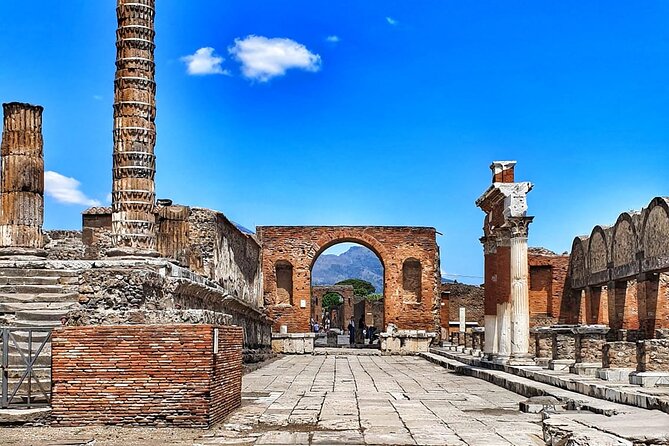
Pompeii is not one monument. It is a whole city, with streets, homes, and public buildings, all preserved because the eruption buried it under ash and pumice after 79 AD. In your first stretch, the guide helps you recognize what you are seeing, like how neighborhoods connect and how buildings fit into daily routines.
This is also the moment where your “wow” factor can turn into “wait, I get it now.” A good guide points out why certain areas were important and how the city’s layout supported movement and work. That is the difference between seeing ruins as scenery and seeing them as a functioning place that people used every day.
You also get a useful reminder that not all of Pompeii has been uncovered. Even in a short, structured visit, you see enough to understand how much of the story remains under the ground.
The Forum and Temple of Jupiter: Where Power, Justice, and Religion Met
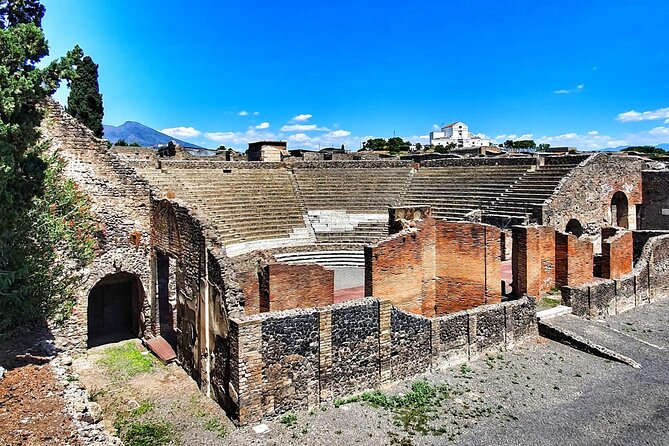
After the park section, your route moves into the Forum (Foro de Pompeya), the city’s civic center. This area ties together administration, business, justice, and worship, so you start to feel the rhythm of Roman public life. Even with a short stop, you get the sense that the Forum was the city’s stage, where people gathered and decisions happened in plain view.
Next comes the Temple of Jupiter (Tempio di Giove Capitolino) on the northern side of the Forum. What I like here is the visual setup: the temple sits in front of an incredible backdrop with Vesuvius rising behind it. The guide’s explanation of the temple’s renovation and its role as a kind of local Capitolium helps you connect architecture with identity, not just admire the stone.
One practical note: because these are major focal points, the crowds can cluster fast. Headsets help you stay oriented while you wait for the group to shift.
Macellum and Via dell’Abbondanza: How People Bought Food and Traveled Through Town
The Macellum is a quick but important stop because it shifts your view from politics and religion to daily needs. This was the city market, centered around the movement of food and trade, and decorated with scenes that reflect daily life. Even if you only spend a short time here, it is a useful reality check: Pompeii was not all ceremonies and big speeches, it was also lunch.
Then you pass along Via dell’Abbondanza, one of Pompeii’s main streets connecting the Forum with the Amphitheatre. This is the part of the tour where you start to feel the city’s geography. A street stop sounds simple, but it helps you understand how people would have flowed through town, not just stood still at individual buildings.
If you are the type who likes to take notes or mark spots on your map, this is where you can quickly orient yourself for later independent wandering after the guided portion ends.
Stabian Baths: The Fun Stop That Explains Routine Like a Machine
The Stabian Baths (Terme Stabiane) are a standout because they explain Roman life in a very physical way. This complex was built over time, and the tour route moves through key spaces like the courtyard and bathing sequence.
The big idea is the bathing temperatures, and how the system was designed for comfort. You hear about the apodyterium (dressing area), then frigidarium (cold baths), tepidarium (medium), and caldarium (hot). For the men’s quarters and the women’s quarters, the same structure shows up, just with differences in size and decoration.
What makes this stop feel real is the talk of heating, with hot air moving through wall systems and under double floors, fed by furnaces and even mobile braziers. It is the kind of detail you remember because it turns a ruin into a routine.
The Brothel of Pompeii: Erotic Art, Built Beds, and a Two-Level Layout
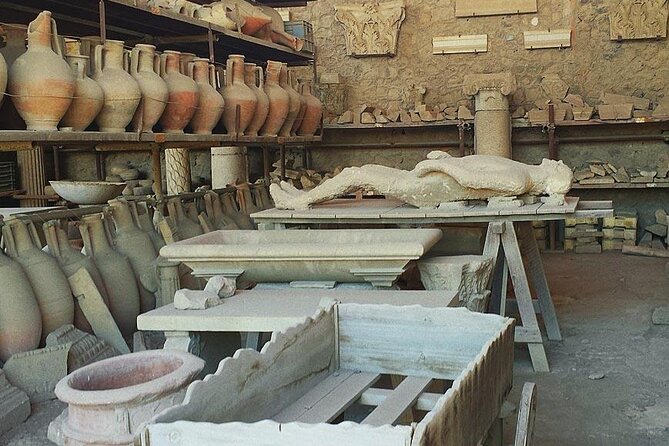
Next is one of Pompeii’s most talked-about buildings: the brothel with erotic paintings. The guide frames it with context about its function, including the idea that the prostitutes were often described as Greek and Oriental slaves in the historical record. The building is arranged in two floors, with the owner and slaves living above, and rooms below that had built-in beds.
If you are visiting with kids, you might want to think about your own comfort level here, since the subject matter is explicit in the way it is presented on site. If you are an adult traveler, this stop is still valuable because it shows how Roman society included structures for sex work, not just temples and theaters.
I also like that the guide keeps it grounded, explaining why the building’s name matters and what the layout tells you about how people were organized inside.
Teatro Grande: Theatre as Civic Life, Not Just Entertainment
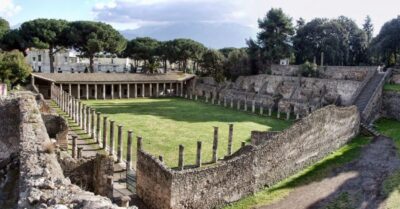
You end with the Teatro Grande, the Large Theatre. It was built around the middle of the 2nd century BC and later restored in the Roman style. The theatre hosted comedies and tragedies tied to Greek-Roman traditions, so it was part of public culture, not a private hobby.
One interesting detail to listen for is how the theatre was one of the first large public buildings to be freed from the eruption deposits. That means it can feel surprisingly accessible compared to deeper, more buried areas, which helps when you only have a half-day.
If the tour pace feels brisk, the theatre stop is a good place to slow down mentally. It is easier to connect performance to everyday life when you can picture audiences gathering in a built public space.
Price and Logistics: Is This $96.38 Worth It?
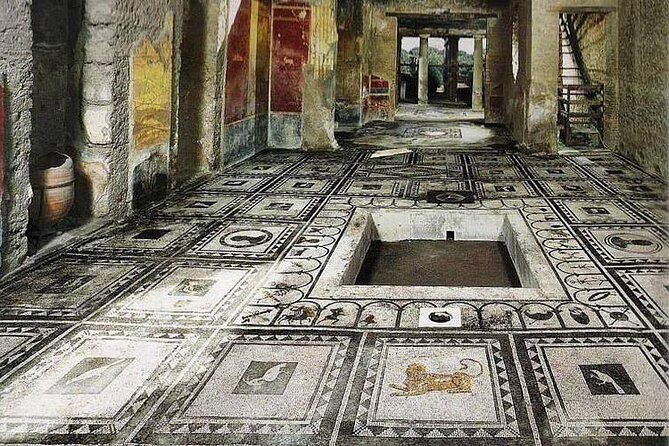
At $96.38 per person, this is not the cheapest way to see Pompeii. The value comes from what you do not have to handle yourself: transportation from Sorrento or Naples, a guided route, headsets, and the Pompeii entrance ticket. For many people, that bundle turns Pompeii from a planning project into a guided experience you can fit into a short schedule.
You also get an English-speaking guide for about 2 hours, and the rest of your time is spent on targeted stops rather than aimless walking. That is a smart approach if you are visiting for the first time and want the big ideas quickly.
The tradeoff is time to wander. Several stops are scheduled for around 10 to 15 minutes, so you get breadth, not depth. And lunch is not included, so you will want to plan ahead for a snack or meal either before you go or after you return.
Who This Tour Suits Best (and Who Might Want a Different Plan)
This tour is a great fit if you want an easy, guided Pompeii “greatest hits” experience with clear explanations and practical pickup from your base. It also works well for families if you plan with flexibility, because the tour team can help with practical issues like keeping a pram moving through the ruins.
It may be less ideal if your travel style is slow exploration. If you want to sit with one house’s details for a long time, sketch, or take a lot of time off-route, you will probably feel constrained. In that case, you might prefer a self-guided ticket and more time on your feet.
Finally, a balanced note from real-world experience: sometimes transportation can change due to mechanical issues, which can cause confusion or make schedules feel off. The tour operator may still try to solve it, but if you are extremely time-sensitive, build in a little wiggle room and keep your expectations flexible.
Should You Book Skip-the-Line Pompeii from Sorrento?
If you have limited time in the area, I think this is a smart booking. You get skip-the-line style entry, headsets, ticket included, and a guided route that shows you the Forum, baths, theatre, and even the brothel without leaving you stuck in logistics.
If you are looking for deep, unhurried wandering, this route may feel too structured. But for most first-time Pompeii visitors who want an organized half-day with strong context, this is one of the most practical ways to make Pompeii land in your brain instead of sliding past as random ruins.
FAQ
What language is the guide?
The tour is offered in English, and it includes an authorized English-speaking guide for about 2 hours.
How long is the Pompeii guided tour?
The duration is approximately 4 hours.
Does the tour price include the Pompeii entrance ticket?
Yes, the admission ticket to Pompeii is included.
What is included in transportation?
You get pickup at a meeting point in Sorrento or Naples, and travel on a 30-seater bus. The tour also provides headsets to hear the guide clearly.
Is lunch included?
No, lunch is not included.
Can I cancel and get a full refund?
Yes. You can cancel up to 24 hours in advance for a full refund. If the experience is canceled due to poor weather, you will be offered a different date or a full refund.
More Tours in Sorrento
- Sorrento: Exclusive Capri Boat Tour and Optional Blue Grotto★ 4.8 · 3,170 reviews
- Capri Blue Grotto Small-Group Boat Day Tour From Sorrento★ 4.5 · 2,511 reviews
- From Sorrento/Nerano: Amalfi and Positano Boat Tour★ 4.6 · 2,440 reviews
- Sorrento: Skip-the-Line Pompeii Express Tour by Train★ 4.8 · 2,038 reviews
- From Sorrento: Capri Boat Tour with Blue Grotto Visit★ 4.7 · 1,759 reviews
More Tour Reviews in Sorrento
- Sorrento: Exclusive Capri Boat Tour and Optional Blue Grotto★ 4.8 · 3,170 reviews
- Sorrento Farm and Food Experience including Olive Oil, Limoncello, Wine tasting★ 5.0 · 2,524 reviews
- Capri Blue Grotto Small-Group Boat Day Tour From Sorrento★ 4.5 · 2,511 reviews
- From Sorrento/Nerano: Amalfi and Positano Boat Tour★ 4.6 · 2,440 reviews
- Day Trip to Positano, Amalfi & Ravello from Sorrento★ 4.5 · 2,371 reviews
Through the Pompeii Gates
- Sorrento: Skip-the-Line Pompeii Express Tour by Train★ 4.8 · 2,038 reviews
- Skip-the-Line Pompeii Guided Tour from Sorrento★ 4.5 · 722 reviews
- Private Skip-the-line Pompeii & Mt. Vesuvius Tour from Sorrento★ 5.0 · 15 reviews
- Skip the Line Pompeii Guided Tour from Sorrento★ 5.0 · 10 reviews
- Skip-the-Line Pompeii and Vesuvius Tour★ 4.0 · 8 reviews
More ways into Pompeii Tickets.
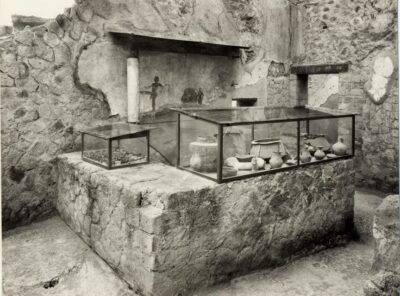 ★ 4.8Skip-the-Line Pompeii Express Tour by TrainFrom $632,038 reviews
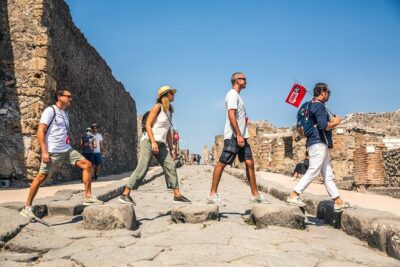 ★ 4.5Skip-the-Line Pompeii Guided Tour from SorrentoFrom $90722 reviews
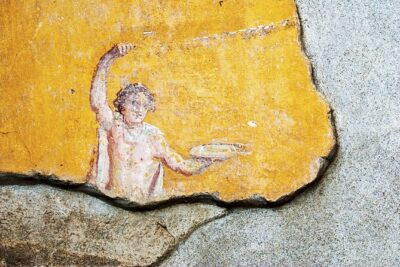 ★ 5.0Pompeii Ticket + Tour with Optional Tasting Experience at PompeiiFrom $35663 reviews
 ★ 5.0Skip-the-Line Pompeii Tour for Kids with an ArchaeologistFrom $11989 reviews
 ★ 5.0Private Skip-the-Line Pompeii & Mt. Vesuvius Tour from PositanoFrom $75046 reviews
 ★ 5.0Skip-the-Line Pompeii & Volcano Vesuvius Day Tour w Hotel or Port PickupFrom $54228 reviews
 ★ 5.0Private Skip-the-line Pompeii & Mt. Vesuvius Tour from SorrentoFrom $63515 reviews
 ★ 3.9Skip-the-Line Pompeii Tour and Vineyard LunchFrom $15715 reviews
Other useful routes from here