

REVIEW · AUDIO TOURS
Pompeii: Skip-the-Line Ticket with Audio Guide and Map
Pompeii hits different when you can walk in fast. This skip-the-line Pompeii ticket lets you enter any time between 9:00 am and 3:00 pm, then explore under your own rhythm with an audio guide and map. It is a smart way to see the big set pieces like the amphitheater and the preserved streets without burning your energy waiting in line.
I especially like the mix of structure and freedom. You get a ready-to-go audio track plus a map to help you find the highlights, then you spend your time on the details that make Pompeii feel real, like frescoed houses, shops, and everyday public spaces. The one drawback to flag is that the audio guide rental and setup can be fussy, so bring a valid ID and be ready for possible connectivity hiccups.
Key Things I’d Focus On Before You Go
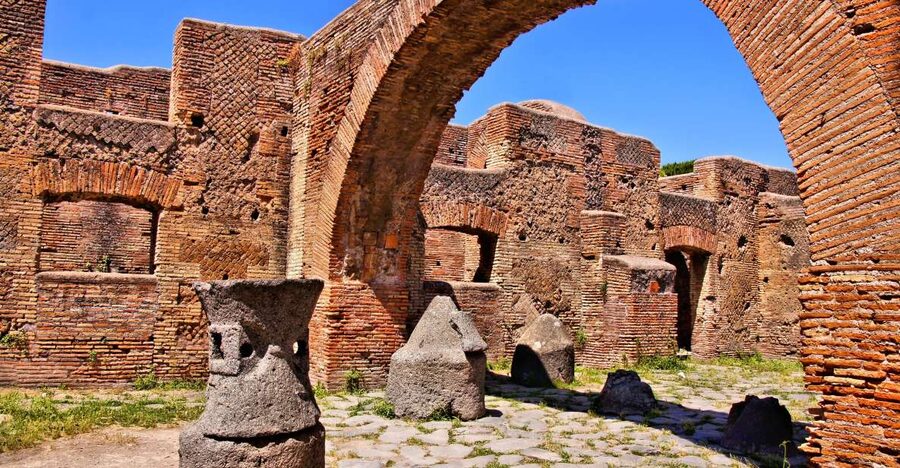
- Skip-the-line entry during a 9:00 to 15:00 window, so you can choose a calmer arrival time
- Audio guide plus updated map, letting you steer the route instead of following a fixed crawl
- Best-preserved Roman amphitheater, plus theaters and other public buildings
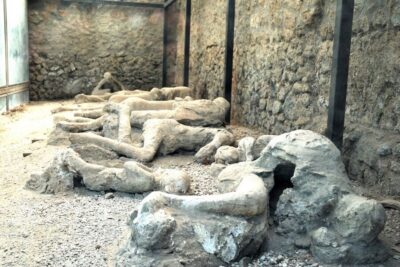
- The victim casts, paired with the eruption story to make the site feel personal
- Everyday Pompeii stops, including frescoed houses, baths, temples, shops, and thermopolium
- Plan for audio logistics, since ID is important and connectivity may not be reliable
Pompeii, Without the Line Drama: How This Ticket Works

This is a straightforward format that works well in Pompeii: you buy the skip-the-line ticket, pick up the audio guide, and go in when you want. Entry is available from 9:00 am until 3:00 pm, so you can time your visit around crowds, heat, and your own energy level.
What makes this feel practical is that you are not locked into a tight schedule. Pompeii is huge, and you will naturally want to slow down at the spots that grab you, whether that is a section of wall art, a public building, or the casts. The audio guide and map help you keep momentum, but you are still the driver.
You also get a real selection of Pompeii’s core categories. The site includes the public-facing places visitors usually chase, like the amphitheater, theaters, and temples, plus the “everyday life” buildings like spas, shops, and the thermopolis.
Where You Meet and What to Bring for a Smooth Start
You meet the team outside their office, usually wearing blue and yellow jackets, right next to Pasticceria De Vivo. If you are arriving on foot or using local transit, take a moment to double-check the meeting point before you head toward Pompeii itself, since being off by even a block can cost you time.
Bring comfortable shoes. Pompeii is walked, not conquered by quick photos. Also bring comfortable clothes, because you will be outside and exposed for stretches of time.
The biggest “don’t mess this up” item is the audio guide requirement. The information you have here is clear: you need a valid ID document to rent the audio guide. If you leave it behind, you can end up stuck at the moment you want to start exploring.
Audio Guide and Map: How They Shape the Day
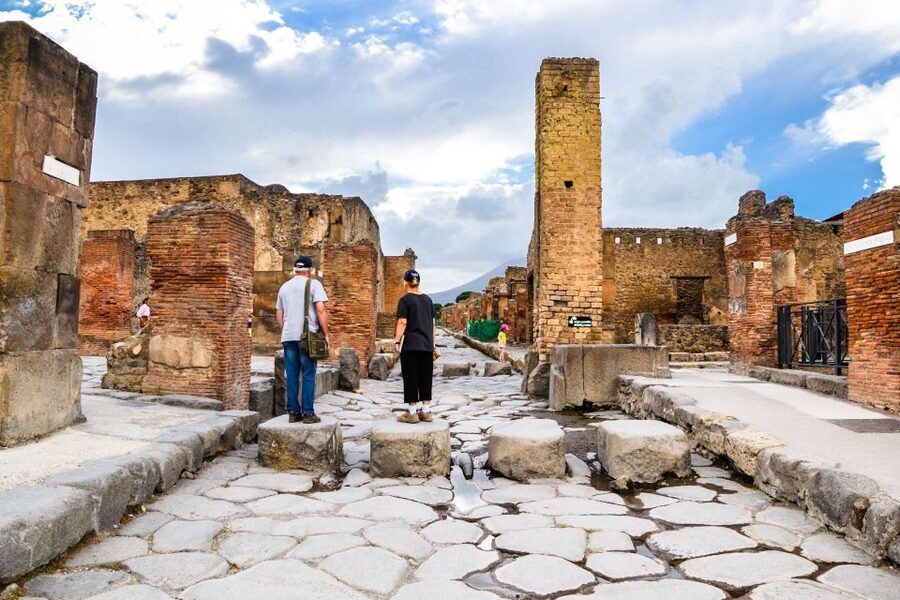
This visit is designed around self-guided exploration with support. You get an audio guide and an updated map, and you can move through the ancient city at your own pace.
The audio guide languages listed are broad, including English, Italian, French, German, Hebrew, Russian, Chinese, Portuguese, and Spanish. The printed options can vary depending on what you choose when you set up, but the key point is that you should be able to match the language you want.
Now the practical part. One issue you should plan for is audio reliability. In Pompeii, internet connectivity can be unpredictable, and that can interfere if you are expecting a download-based experience. The work-around described is that you can pick up an audio device, but the pickup location mentioned can involve a walk of about 20 minutes from the train station.
So I suggest two tactics:
- Have your plan for audio setup ready before you get rushed and sweaty
- If you rely on phone access, treat connectivity as unreliable and keep a device pickup option in your back pocket
Entering Pompeii: Start Smart, Not Fast
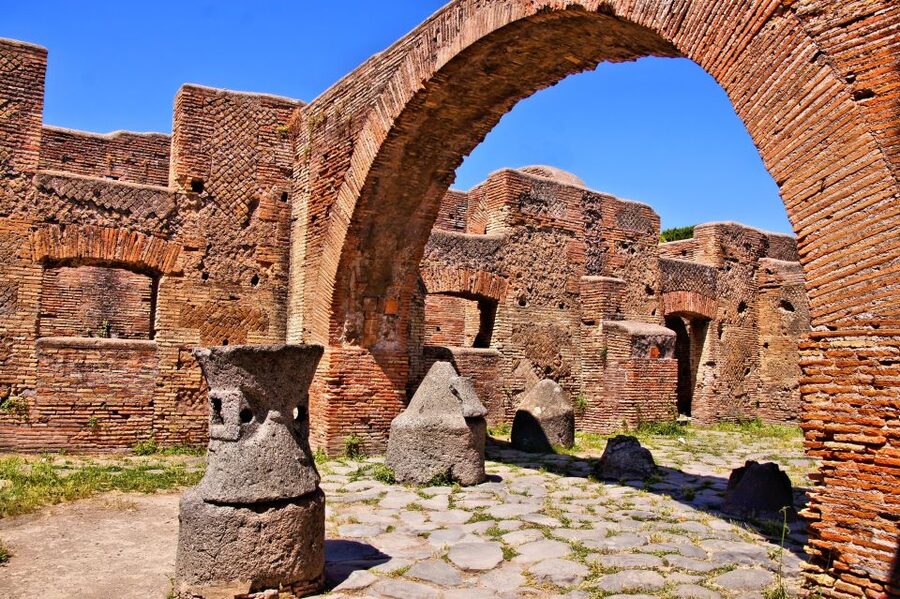
You can enter between 9:00 am and 3:00 pm, and that matters because Pompeii rewards a slower start. If you arrive closer to the morning window, you are more likely to find spaces where you can actually study details, including frescoes and stonework. One experience with this exact kind of visit noted that going in the morning reduced crowd pressure, making it easier to take your time.
When you first enter, resist the urge to sprint for the most famous stop. Instead, use the map to decide your “must see” sequence and then let curiosity fill in the gaps. Pompeii is laid out in a way where backtracking can happen, and if you waste your energy early, you feel it later.
Also, keep the walking reality in mind. You are covering an ancient city made of streets, open areas, and buildings that are not designed for modern wheelchair access. Even if you are able-bodied, the terrain and pacing are part of the experience.
The Streets of Pompeii: Frescoed Houses, Shops, and Everyday Life
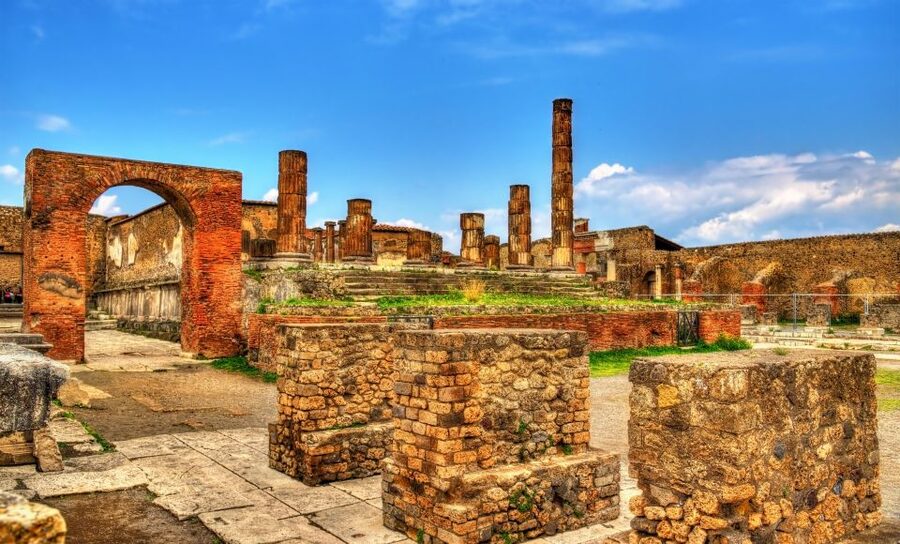
Once you are moving through the city, this ticket makes it easy to connect the big story to real daily scenes. You will spend time on millenary streets and see how people lived in spaces that are still recognizable through their layout.
Here are the categories that tend to make the biggest impression, and what you should look for in each one:
Frescoed houses
Pompeii is famous for wall paintings and decorative spaces. Use your audio guide to tie what you see to what you are standing in front of. The point is not to memorize, it is to understand how rooms were used and how art reflected status and taste.
Thermopolium and shops
The thermopolis is listed as part of this experience, and it helps you picture food and routine in Roman neighborhoods. These are not just “ancient buildings,” they are places where everyday transactions and quick meals happened.
Spas and temples
Spas are a big clue to how Romans built leisure into ordinary life. Temples, on the other hand, give you the public religious rhythm and the way civic space and belief were mixed into the city.
You can treat this section like your “life in Pompeii” chapter. If you focus on how the spaces fit together, the ruins start to feel like a functioning city rather than a museum.
Amphitheater and Theaters: The Stage Side of Pompeii

One of the most talked-about highlights here is the Roman amphitheater. Even without a deep technical guide, you can feel the logic of the space: it was built for crowds, noise, and spectacle.
The experience also includes theaters, which gives you a broader look at public performance culture. If you like architecture that has a clear purpose, this is a good chunk of your day to slow down. Look at how seats and open areas relate, and let the audio help you understand what kind of events these places hosted.
A practical tip: give yourself enough time at the amphitheater and nearby areas. It is tempting to rush because it looks like a “one-and-done” sight. But if you take a little extra time, you can step back mentally and see the whole performance logic as part of Roman civic life.
Baths, Temples, and Public Spaces: Where the City’s Routine Shows

You also get the spas and temples listed as part of your visit. These are not filler stops. They help you understand the city beyond the tragedy and beyond the most famous buildings.
When you are in the spa areas, think about how social life worked. Spas were places to meet, talk, and relax, and seeing them in context makes the city feel populated rather than frozen.
Temples help you connect the physical layout to belief and community. Even if you are not a religion-history person, you can still learn how public spaces acted as the glue holding the city together.
If you start to feel overwhelmed, use your audio guide to choose one or two public-space stops for deeper attention. The map is there to keep you oriented, but you do not have to chase every marker as if Pompeii is a checklist.
The Victim Casts and the Vesuvius Story: Making Sense of the Tragedy

The most emotionally heavy stop included here is the casts of the victims of the eruption. You also get the background on the eruption of Mount Vesuvius. That pairing matters, because it turns the site from scenery into a human story.
One key consideration is emotional pacing. If you are the type who likes to read everything and absorb slowly, give yourself time here and do not cram it at the end of a long day. If you need distance, you can take breaks in quieter areas between clusters of sights.
The casts are part of why Pompeii lands so hard. You are not just looking at old stones. You are looking at a moment that abruptly changed real lives. Your audio guide is there to explain the broader context, but your job is simply to let the site do its work without rushing.
Timing Your Visit to Fit the 1-Day Window

This is a 1-day ticket, and you can enter during the day from 9:00 am to 3:00 pm. That time window is realistic because Pompeii is big and walking takes time.
If you want a calmer experience, lean toward earlier entry. One note from the experiences shared here praised the morning timing for keeping crowds lower and giving people room to take their time. Even if you cannot go early, you still have control over your pace since the format is self-guided.
A good day flow is to start with “easy wins” close to your entry path, then move into the larger buildings, and save the most emotionally intense stops for when you have your head clear. Your audio guide and map are your steering wheel here.
Price and Value: Is $44 a Fair Deal?
The price listed is $44 per person, and what you get includes a Pompeii skip-the-line ticket and an audio guide. The included skip ticket is shown as €20.00, plus the audio guide is part of the package.
How do you judge value? In Pompeii, time is part of cost. If you would otherwise spend a chunk of your day waiting, a skip-the-line ticket is worth real money because it buys you usable hours for exploring. Then the audio guide adds another layer of value, since it turns visual ruins into a guided story you can follow without taking a formal group tour.
One more value factor: the freedom. Many guided experiences can feel like you are moving on someone else’s clock. Here, you can slow down at the frescoes, spend longer in public spaces, and pause when the story gets heavy.
So yes, $44 can be a solid deal if you actually use the audio guide and if you value that flexibility. If you prefer to explore completely independently with your own app and maps, you might compare options. But if you want a built-in guide and fewer delays, this format makes sense.
Who This Pompeii Skip-the-Line + Audio Ticket Fits Best
This experience is a good match if you:
- Want to avoid lines and enter during a flexible window
- Prefer exploring at your own pace rather than following a strict group route
- Like having context, so you can understand what you are seeing without stopping every few minutes
- Enjoy Roman everyday life sights, not just the headline ruins
It is not a match if you have mobility limitations, heart problems, or altitude sickness. That is because Pompeii involves walking through outdoor ancient terrain and you need a stable, comfortable pace.
It can also work well for couples and small groups who want to wander together but still have audio guidance.
A Quick Reality Check: Practical Rules Once You’re Inside
To keep things smooth, pay attention to what you are allowed to bring. Oversize luggage and large bags are not allowed. You should plan to travel light, especially if you want your day to feel effortless.
And again, wear shoes that are comfortable for a long walk. Pompeii is not a place where you want to figure out your footwear by suffering through it.
Should You Book This Pompeii Ticket?
If you want Pompeii with less waiting and more control over your pace, I think this is a strong choice. The audio guide and updated map help you turn a big open site into a sequence of meaningful stops, from frescoed homes and shops to spas, temples, theaters, and the amphitheater. The inclusion of the victim casts and Vesuvius context gives the visit emotional weight, not just visual interest.
I would only hesitate if you know you have trouble with audio setup, forget IDs, or you rely on phone connectivity for audio. If you are organized with your ID and you plan for audio access, you should be able to have a day that feels both structured and personal.
If you want, tell me your travel month and whether you prefer a morning or afternoon start, and I can suggest a simple Pompeii “pace plan” for fitting the amphitheater, baths, and the casts into your day.
FAQ
What time can I enter Pompeii with this ticket?
You can enter the site when you want from 9:00 am until 3:00 pm.
How long is the experience?
It is listed as a 1-day experience.
What’s included with the Pompeii skip-the-line ticket?
It includes a Pompeii skip-the-line ticket and an audio guide.
Where do I meet the team?
Meet outside the office next to Pasticceria De Vivo. The team is usually in blue and yellow jackets.
Do I need an ID for the audio guide?
Yes. It is important to bring a valid ID document to rent the audio guide.
What languages are available?
The audio guide is available in English, Italian, French, German, Hebrew, Russian, Chinese, Portuguese, and Spanish. The instructor languages listed are English, Italian, Spanish, and French.
Is the tour refundable if plans change?
Yes, free cancellation is available up to 24 hours in advance for a full refund.
With a Local Guide
- Pompeii: Entry Ticket and Guided Tour with an Archaeologist★ 4.8 · 19,459 reviews
- Pompeii: Skip-the-Line Entrance Ticket with Audio Guide★ 4.0 · 2,509 reviews
- Pompeii: Skip-the-line-Ticket and Guided Tour★ 4.6 · 1,152 reviews
- Pompeii: Guided Tour with Skip-the-Line Entry★ 4.9 · 812 reviews
- Pompeii: Skip-the-Line Entry Ticket with Digital Guide App★ 4.1 · 770 reviews
Choose the Right Entry
- Pompeii: Entry Ticket and Guided Tour with an Archaeologist★ 4.8 · 19,459 reviews
- Pompeii: Skip-the-Line Entrance Ticket with Audio Guide★ 4.0 · 2,509 reviews
- Pompeii: Skip-the-line-Ticket and Guided Tour★ 4.6 · 1,152 reviews
- Pompeii: Skip-the-Line Entry Ticket with Digital Guide App★ 4.1 · 770 reviews
- Pompeii: Afternoon to Sunset Guided Tour with Ticket★ 4.9 · 484 reviews
More Tour Reviews in Pompei Campania
- Pompeii: Entry Ticket and Guided Tour with an Archaeologist★ 4.8 · 19,459 reviews
- Pompeii: Small Group Tour with an Archaeologist★ 4.8 · 12,264 reviews
- Pompeii: Skip-the-Line Entrance Ticket with Audio Guide★ 4.0 · 2,509 reviews
- Naples: Pompeii and Mt. Vesuvius with Lunch and Wine Tasting★ 4.5 · 2,454 reviews
- Pompeii: Skip-the-line-Ticket and Guided Tour★ 4.6 · 1,152 reviews
More ways into Audio Tours.
 ★ 4.2Pompeii: Entry Ticket with Optional Audio GuideFrom $2612,360 reviews
 ★ 4.0Pompeii: Skip-the-Line Entrance Ticket with Audio GuideFrom $392,509 reviews
 ★ 4.1Ercolano: Herculaneum Entry Ticket with Optional Audio GuideFrom $21581 reviews
 ★ 4.0Ercolano: Herculaneum Skip-the-Line Ticket & Audio GuideFrom $35275 reviews
 ★ 3.8Herculaneum Archaeological Park smart Audio TourFrom $470 reviews
 ★ 4.0From Naples: Vesuvius & Pompeii with Transfer & Audio GuideFrom $10858 reviews
 ★ 4.0Pompeii: Skip-the-Line Ticket with Audio Guide and MapFrom $4414 reviews
 ★ 3.4Pompei: Audio guide of the archeological siteFrom $513 reviews
Other useful routes from here