

REVIEW · GUIDED
From Naples: Pompeii Wheelchair-accessible with a Guide
Pompeii is famous, but the real win here is how wheelchair-accessible the visit is set up. I especially like that you get a professional guide plus tickets handled right at Pompeii Entrance, so you do not waste time figuring things out on your own. The other thing I like is the ramp-equipped van that fits your mobility needs. One drawback to plan for, though, is Pompeii’s steep, uneven terrain, which can mean bumps and occasional segments where standing or walking might be needed.
When this works well, it is because the guide paces the ruins for you. I noticed one guide example named Jasmine was praised for clear support and helping with navigation, and that is exactly what you want at Pompeii. Still, you will want to bring the right wheelchair setup since rugged wheels can make the difference between an easy day and a slow one.
Key Things You’ll Appreciate About This Pompeii Tour
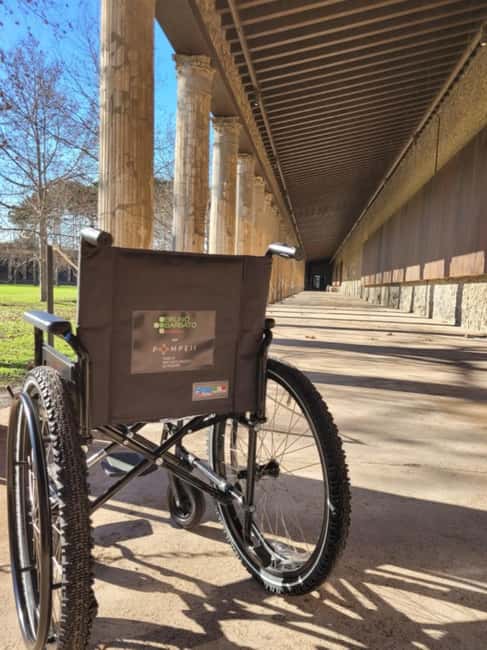
- Ramp van with hands-on help for getting in and out, sized for a wheelchair plus up to four other passengers.
- Guide + tickets at the entrance, so you start the experience already rolling.
- A wheelchair-route inside the excavations, using planned ramps to reduce architectural barriers.
- Skip-the-line entry through a separate entrance, which matters on a busy site.
- Time with a pro who explains what you are actually seeing, not just random ruins.
- A chance to see working archaeology, including areas currently being excavated (when the route includes them).
Wheelchair-Accessible Pompeii, With a Real Plan
Pompeii has a special kind of pressure. It is huge, it is packed with details, and if you go without a plan, you can end up zigzagging without learning why anything matters. This tour is built to prevent that. You do not just arrive and hope for the best. You meet your guide, get your tickets, and follow a path designed to be doable with a wheelchair.
I also like that the focus is on the lifestyle of ancient Romans, not just dates and names. A good guide turns stones into stories. You start to recognize patterns, like how people moved through streets, how daily life clustered around key spaces, and why certain structures were laid out the way they were. Even if you have visited ruins before, Pompeii’s layout makes a guide feel like the missing link.
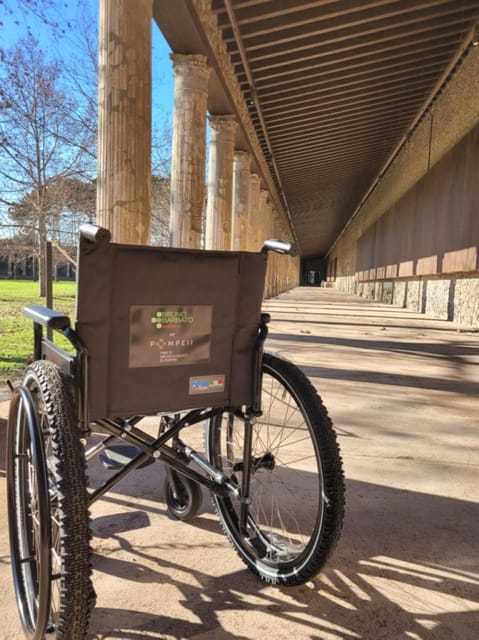
Now for the reality check. Pompeii is not a flat museum floor. Terrain is steep and uneven. Even with ramps, you may still hit moderate bumps. One traveler tip that helps: if you use a freewheel or similar setup, it can make small rough patches easier. Also, consider bringing an all-terrain wheelchair with rugged wheels, because the difference is not theoretical. It shows up in the ground.
From Naples to the Ruins: How the Ramp Van Works
This day starts in Naples. Depending on the option you choose, pickup can be arranged from your hotel, the cruise terminal, the train station, or the airport. It is one less hurdle on the day, which is a big deal when you have limited mobility and want your energy reserved for the ruins.
The transport vehicle is purpose-built for accessibility. The van can carry four passengers plus one wheelchair. A ramp makes entry possible, and the driver helps with getting you in and out. That sounds small, but it matters. You avoid the awkward, time-consuming logistics that can eat up your limited time on-site.
You should still mentally budget for travel time. The experience is about 3 to 4 hours total, so the van ride and the return ride are part of your schedule. For planning, treat the day as half-tour, half-journey.
Also note what is not allowed in the vehicle: smoking, alcohol and drugs, and bags, plus food and drinks. That means if you need water or snacks for yourself, you will want to handle that outside the van. Bring what you need so you are not stuck later.
Meeting at Pompeii Anfiteatro: Tickets in Hand
The meeting point is Pompeii Entrance, with the guide meeting you specifically at the Pompeii Anfiteatro Entrance area. This is a key detail. An entrance you can find fast is not just convenience. It reduces stress when you are coordinating mobility, timing, and any assistance needs.
You meet your guide and get the tickets there. That matters because it prevents the classic tourist scenario: arriving, searching for the ticket window, waiting in a line, then losing track of where you are supposed to start. Here, the goal is to get you into the site and moving along the accessible route quickly.
This tour also includes a skip-the-line approach through a separate entrance. That is one more way the day stays calmer. At Pompeii, calm is a travel luxury.
Bring ID or a passport for entrance requirements. You will also be asked for names and dates of birth for entrance tickets. It is a normal security ticketing step, but you will want it ready before the day so you do not delay the group.
Your 3-Hour Pompeii Route: What You Actually See
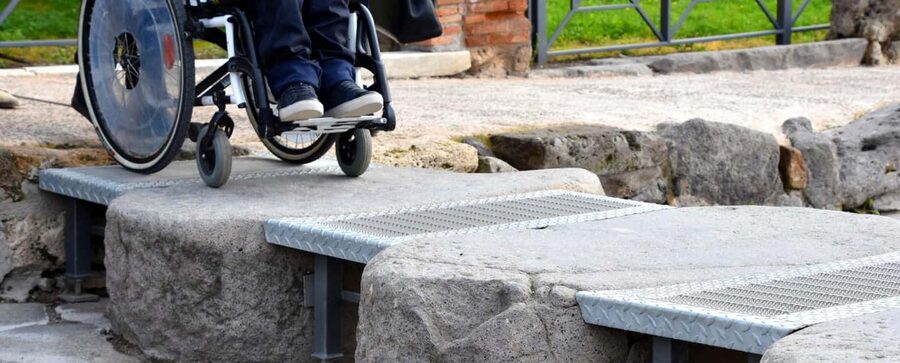
Once you are inside, the tour route is wheelchair-accessible and designed to work within Pompeii’s constraints. Ramps are used to handle architectural barriers, and the path is planned so you can experience key areas without constantly detouring around steps.
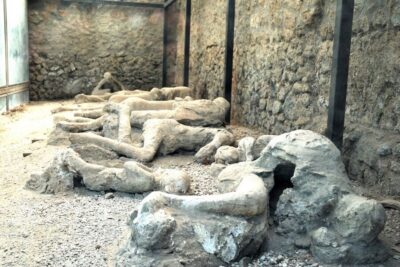
The core ruins are Pompeii, a UNESCO World Heritage site known for its remarkably preserved snapshot of Roman life. The big idea you will likely hear your guide explain is the reason Pompeii is still so readable: the city was buried under ash after Vesuvius erupted in 79 A.D. That quick burial kept whole spaces intact, which is why you can see the shape of streets, buildings, and daily routines.
Here is how to get more out of the time on-site:
- Listen for how your guide connects what you see to Roman daily life. If you hear about homes, shops, baths, or public spaces, ask how the layout influenced the way people lived.
- When you reach a viewpoint or a key street, pause and look around. Pompeii is easier to understand when you take a moment to orient yourself, then follow the guide’s explanation.
- If you are in a wheelchair, pay attention to the path notes from your guide before you roll into a tougher segment. The ground can change.
A highlight included in the tour is seeing Pompeii with an emphasis on lifestyle and major highlights, guided for about 3 hours. Some routes can also include areas currently excavated. That adds a layer beyond what you normally see in a completed museum exhibit, because you are witnessing archaeology as a living process rather than a finished display.
It is worth saying clearly: there can be harder-to-navigate areas within the excavations where standing or walking may be required for short sections. That is not a failure of the route, it is a reality of an ancient site. If you can transfer for brief moments, you will likely feel more comfortable. If not, talk through your needs clearly in advance so the team can tailor the route as much as possible.
Free Time Inside Pompeii: Use It Strategically
After the guided portion, you will have free time. This is where you can turn a guided overview into personal exploration.
If you are traveling with mobility limits, I recommend using the free time in two smart ways:
- Revisit a stop you found most meaningful and read any labels you can access.
- Use free time to take photos and slow down. With a guide, your brain can get full fast. Free time is your decompress moment.
What you should not do is assume every direction will be easy to return through. Stay aware of the accessible path and where you need to head back toward your group route. If you are ever unsure, you can ask your guide how to prioritize the safest path for the return.
Skip-the-Line and a Private Group: The Day Feels Simpler
Pompeii can feel like two different experiences. There is the site, and then there is the queue. This tour cuts the queue part. Skip-the-line entry through a separate entrance means you lose less time to crowd control.
The other advantage is privacy. The group type is private group, meaning your pace is less likely to be forced by a larger crowd schedule. In a place like Pompeii, pace is everything. You want time for your eyes to adjust to the scale and for your body to handle the terrain without rushing.
The tour is also designed around getting you onto a wheelchair-friendly route rather than making you chase the “normal” walkway. That shift from general sightseeing to accessibility planning is the difference between a tour that is technically possible and one that feels genuinely doable.
Price and Value: Is $88 per Person Worth It?
At $88 per person for a 3 to 4 hour experience, the value comes down to what you get bundled. You are not only paying for a guide. You are paying for:
- Pickup options in Naples (if you selected the transfer)
- Wheelchair-accessible vehicle transport with ramp support
- Professional guide time inside Pompeii
- Pompeii fees
- Tickets, handled at the entrance
There is also an accessibility-specific value detail. Wheelchair users get free admission, and a personal assistant can also get free admission with proof of identification from their home country. That can make the economics much better than a standard sightseeing ticket where you would pay full fare for everyone.
So who feels the best value?
- Anyone paying for both a guide and transportation will see the bundle effect.
- People who would otherwise struggle with navigating independently through queues and site logistics.
- Visitors who want a guided orientation so they can understand what they are looking at instead of just seeing stones.
Where it might not feel worth it is if you already have a strong plan, you do not need an accessible transport solution, and you can confidently self-navigate the site without support. But if mobility logistics are a concern, this price is often the cost of peace of mind.
What to Bring for a Smooth Pompeii Visit
Pack light and pack smart. The essentials are:
- Passport or ID card (required for entrance and tickets)
- Sunglasses
- Hat
And think through your mobility gear. Pompeii’s terrain is steep and uneven, so the tour recommends all-terrain wheelchairs with rugged wheels. If you have attachments like a freewheel that help with bumps, it can be worth bringing.
Also remember what you cannot bring into the vehicle: bags, food, and drinks. That does not mean you cannot eat at all. It means the vehicle ride itself is kept clear. Plan a snack break if you need one during the free time.
If you are sensitive to sun or heat, your hat and sunglasses matter more at Pompeii than in many European cities because the open areas can be bright.
Who This Tour Suits Best
This is a strong fit if you:
- Want a guided Pompeii visit that stays focused on Roman life, not just random ruins
- Need a wheelchair-accessible route with ramps and planned navigation
- Would rather skip ticket lines and meet your guide at the entrance
- Prefer a private group pace to manage mobility needs
It also helps if you can handle some variation in ground conditions. Even with ramps, you should be prepared for occasional bumps and possibly short moments where standing or walking might be needed in tougher segments.
If you are traveling with a personal assistant, the free admission detail can be useful. It can help you include the support person you need without paying full admission for them, as long as you have proof of identification.
Should You Book This Pompeii Wheelchair Tour?
Book it if your top goals are clarity, accessibility planning, and a guided storyline through Pompeii’s most important areas. For many visitors with mobility needs, the real value is not just the route. It is the reduction of stress: knowing where you meet, having tickets handled, skipping the line, and following a plan built around ramps and wheelchair access.
Consider skipping this specific option if:
- You are comfortable navigating Pompeii independently and already know the accessible path you want
- You do not need pickup or transport support
- Your route needs are extremely specific and you cannot tolerate any segment that might require brief transfers or limited walking
If you do book, do one thing that improves everything. Provide the requested wheelchair details after you book, including your wheelchair size and your needs. That kind of upfront clarity is what helps the team make the route feel less like guesswork and more like a day designed for you.
FAQ
Where do you meet the guide for this Pompeii tour?
You meet your guide and get your tickets at the Pompeii Entrance, specifically at the Pompeii Anfiteatro Entrance.
Is pickup from Naples included?
Pickup from your hotel, Naples cruise terminal, train station, or airport is included if you choose the option with transfer. Otherwise, you would handle your own meeting arrangements at the entrance.
How long is the Pompeii visit?
The total experience runs about 3 to 4 hours, with the guided visit lasting approximately 3 hours.
Are Pompeii tickets included?
Yes. Tickets are included, and you receive them when you meet your guide at the entrance.
Does the tour help with accessibility inside Pompeii?
Yes. The itinerary is designed as a wheelchair-accessible route with ramps to overcome architectural barriers where possible.
Can wheelchair users get free admission?
Yes. Pompeii fees are included, and wheelchair users get free admission. A personal assistant can also receive free admission with proof of identification from their home country.
What languages are the live guides?
Live guides are available in English, Spanish, Italian, French, and German.
What should I bring, and what is not allowed on the van?
Bring your passport or ID card, sunglasses, and a hat. Smoking is not allowed in the vehicle, and alcohol and drugs are not allowed. Bags, food, and drinks are also not allowed in the vehicle.
With a Local Guide
- Pompeii: Entry Ticket and Guided Tour with an Archaeologist★ 4.8 · 19,459 reviews
- Pompeii: Skip-the-Line Entrance Ticket with Audio Guide★ 4.0 · 2,509 reviews
- Pompeii: Skip-the-line-Ticket and Guided Tour★ 4.6 · 1,152 reviews
- Pompeii: Guided Tour with Skip-the-Line Entry★ 4.9 · 812 reviews
- Pompeii: Skip-the-Line Entry Ticket with Digital Guide App★ 4.1 · 770 reviews
More Tour Reviews in Pompei Campania
- Pompeii: Entry Ticket and Guided Tour with an Archaeologist★ 4.8 · 19,459 reviews
- Pompeii: Small Group Tour with an Archaeologist★ 4.8 · 12,264 reviews
- Pompeii: Skip-the-Line Entrance Ticket with Audio Guide★ 4.0 · 2,509 reviews
- Naples: Pompeii and Mt. Vesuvius with Lunch and Wine Tasting★ 4.5 · 2,454 reviews
- Pompeii: Skip-the-line-Ticket and Guided Tour★ 4.6 · 1,152 reviews
More ways into Guided.
 ★ 4.8Pompeii: Entry Ticket and Guided Tour with an ArchaeologistFrom $3519,459 reviews
 ★ 4.2Pompeii: Entry Ticket with Optional Audio GuideFrom $2612,360 reviews
 ★ 4.0Pompeii: Skip-the-Line Entrance Ticket with Audio GuideFrom $392,509 reviews
 ★ 4.6Pompeii: Skip-the-line-Ticket and Guided TourFrom $641,152 reviews
 ★ 4.9Pompeii: Guided Tour with Skip-the-Line EntryFrom $58812 reviews
 ★ 4.5Pompeii Express Guided Tour by Train from SorrentoFrom $65770 reviews
 ★ 4.1Pompeii: Skip-the-Line Entry Ticket with Digital Guide AppFrom $22770 reviews
 ★ 4.5Skip-the-Line Pompeii Guided Tour from SorrentoFrom $90722 reviews