
REVIEW · PASTA
Handmade pasta workshop by Cilento Experience
Dough starts with a garden, not a shop. I love how this Salerno area handmade pasta workshop begins with a short countryside stop, then turns into hands-on cooking with Michele’s vegetables and Rosalba’s terrace kitchen. You’re not just making pasta, you’re learning it with local ingredients that actually taste like where they come from, from freshly pressed olive oil to sage picked in the garden.
The main drawback to plan for: the experience is weather dependent, and it can run longer than the stated time when the table chat and pasta practice keep going. If you have a tight schedule, build in some cushion.
Key highlights you will feel right away
- Farm-first start in the countryside, before you touch dough
- Rosalba-led pasta making for tagliatelle and ravioli di ricotta
- Ingredients picked nearby, including sage and olive oil from family trees
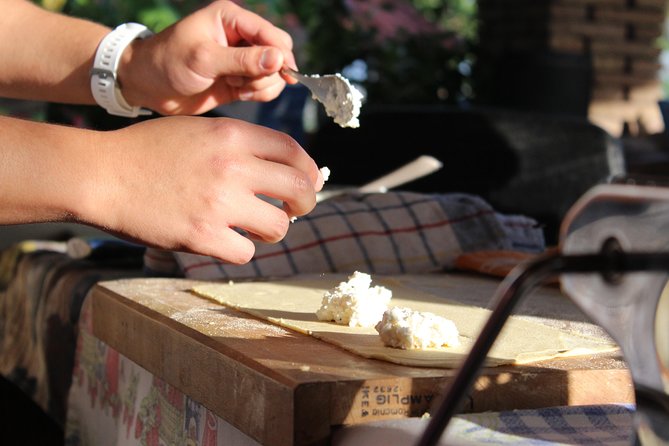
- Ricotta made close by, plus buffalo ricotta and buffalo butter in the filling and sauce
- Eat where you cook, on the flower-filled garden terrace so everything matches
- A family-style, question-friendly pace, great for kids and curious cooks
Michele’s vegetable patch, then straight into Cilento cooking
This workshop is based in the Cilento zone near Capaccio Paestum, with the meeting point at Via della Gueglia, 53, Capaccio Paestum SA. The start time is 3:00 pm, so it feels like a late afternoon food moment, not a rushed morning activity. The format is also a big part of the charm: it’s private, so it’s really your group with the hosts, not a crowded classroom.
The first real “wow” comes early. You take a short excursion into the countryside where Michele grows vegetables. That may sound simple, but it sets the tone. In Italy, cooking classes can become all dough, no context. Here, you get a small reality check first. The flavors you will eat later are tied to what’s growing, what gets harvested, and what’s available locally.
If you like food travel that makes you pay attention, you’ll enjoy this start. It gives you a reference point for why the rest of the lesson matters.
Meet Rosalba, the heart of the kitchen exchange
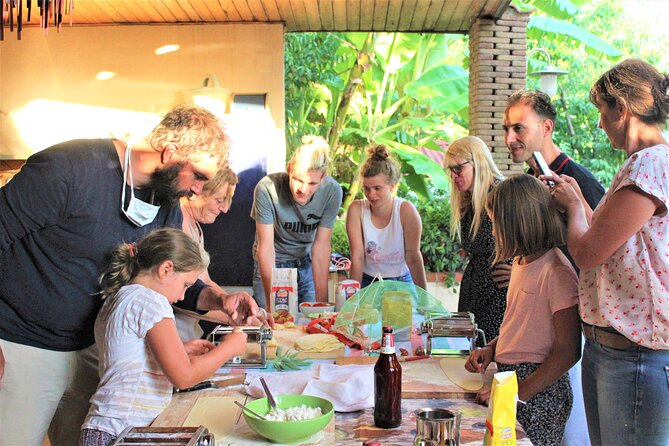
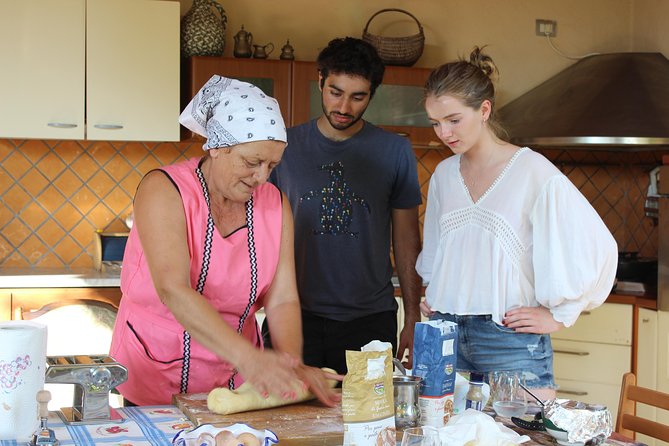
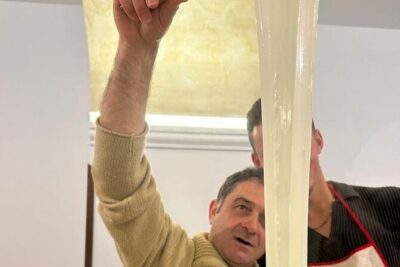
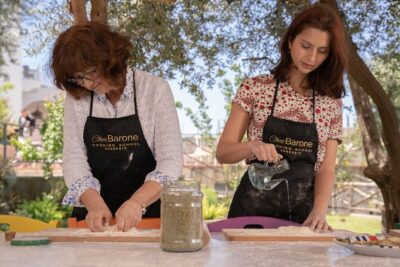
You then meet Rosalba, who shows you how to make typical homemade tagliatelle and ravioli di ricotta. The most useful thing about her approach is that she expects questions. Not polite small talk, real curiosity. You ask, she explains, and the lesson becomes a two-way cultural exchange rather than a one-way demo.
This kind of teaching style pays off when you’re learning pasta. Pasta dough and rolling technique can feel mysterious until someone points out what to look for. A question-first teacher also helps you correct mistakes early, before you end up with ravioli that won’t seal or tagliatelle that sticks.
Rosalba’s background also matters. She cooked for her little brother from an early age because her parents were working in the fields all day. That isn’t just a personal detail. It explains why the kitchen feels confident and homey, like you’ve been invited into someone’s routine rather than booked into a staged show.
And yes, the experience has an English offering. That’s a real value point because you can understand both the “how” and the “why,” without guessing your way through Italian food talk.
The ingredients do the heavy lifting (and they taste like it)
A key detail here is that you’re working with a whole web of regional inputs, not supermarket substitutes. The ricotta comes from nearby production, made around the corner and freshly pressed. The olive oil is described as freshly pressed, from grandma’s trees in the mountains. Sage gets picked in the garden.
Then comes the concrete part. In the ravioli and sauces, you’re dealing with buffalo dairy: freshly made buffalo ricotta and buffalo butter show up in the filling and the starter sauces. If you’ve only had standard ricotta before, you’ll likely notice a difference in richness and texture.
This is where the workshop becomes more than a fun meal. When ingredients come from the same local environment, you taste fewer disconnects. Tomato sauce tastes like tomatoes that belong together. Sage doesn’t taste like it was sealed away months ago. Olive oil tastes like it’s part of the plan, not just a finishing step.
One more cultural detail I like: the hosts aim to keep the kitchen and the dining table aligned. You eat in the same garden space because everything should be identical and follow Cilentan culture. That means less “class food” and more of the real thing.
What you will make: tagliatelle and ravioli di ricotta
You’ll learn two classic pasta shapes, with enough structure that you can understand what makes each one work.
Tagliatelle, built for sauce
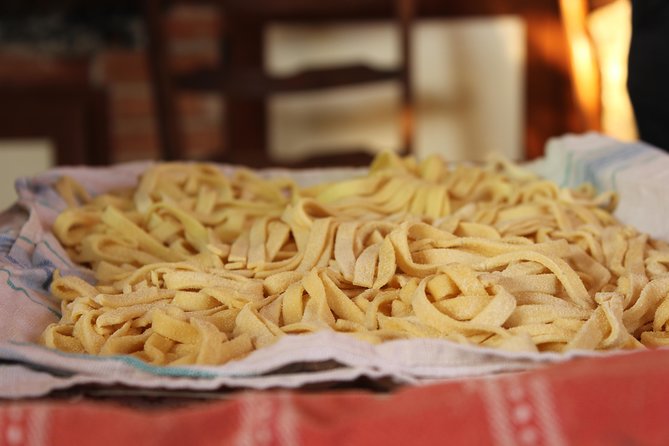
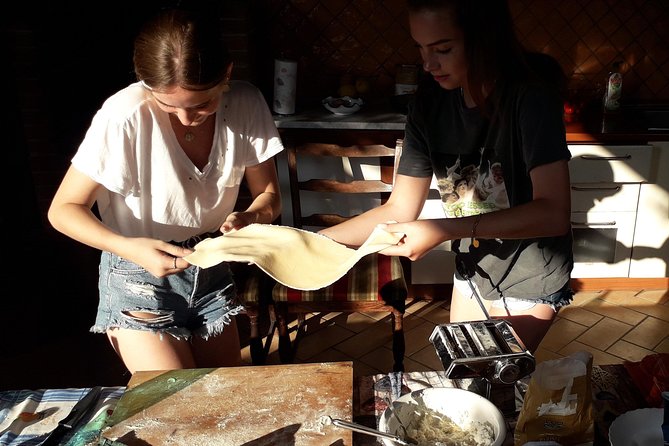
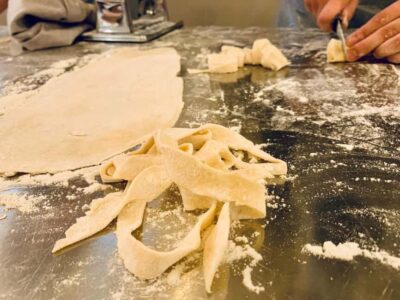
Tagliatelle is the kind of pasta you can mess up in small ways. Too thick and it feels heavy. Too thin and it can tear while you work. Here, the lesson focuses on typical homemade tagliatelle and then you eat it with a homemade tomato sauce. The practical payoff is simple: you learn how to make dough that rolls and cuts well, then you immediately taste it with a sauce that matches the pasta.
Even if you don’t remember every step later, the taste will teach you what “good” feels like.
Ravioli di ricotta, where sealing is everything
Ravioli di ricotta is a different skill set. It’s less about speed and more about precision. The filling is described as freshly made buffalo ricotta with buffalo butter and sage from the garden. That combination matters because it creates a filling that stays creamy but not watery, which is essential for a good bite.
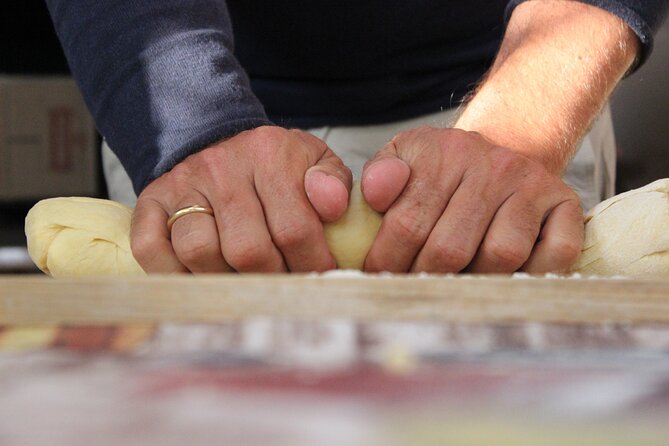
The real trick with ravioli is getting the closure right. If you press too lightly, they open. If you press too hard, you can squeeze out filling and lose that soft center. A good host can show you how to aim for reliable sealing, and Rosalba’s question-friendly method should help you get there.
You’re also working on “typical” Cilentan versions. That’s helpful if you want to recreate something at home that feels local, not generic.
The garden terrace meal, butter and sage plus tomato sauce
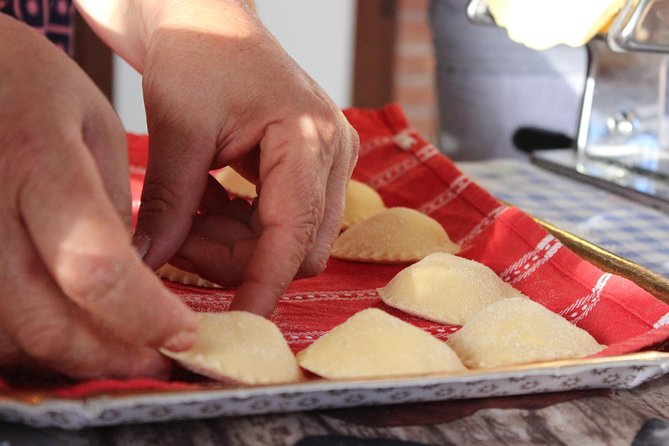
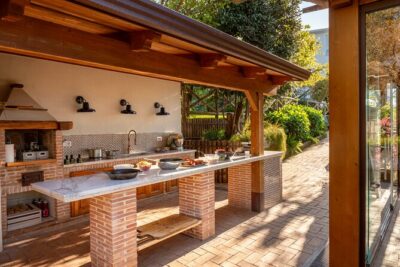
After the pasta work, you eat on the flower-filled garden terrace. This is a standout value feature because it folds the “lesson” into the “meal” instead of separating them into two separate moments. You get to enjoy what you made in a setting that matches the cooking space.
The sample menu is very straightforward, and that’s a good sign. Starter includes ravioli di ricotta in butter and sage sauce, and tagliatelle in tomato sauce. Then the ravioli filling and tagliatelle sauce continue as the core of what you eat.
Here’s why I think this is a smart setup for travelers:
- You get instant feedback. If your pasta dough felt right, you’ll feel it again with the first bite.
- The flavors stay simple enough that you can trace them back to the ingredients you saw earlier.
- It’s easier to enjoy if you’re traveling with kids, because the menu is familiar Italian comfort food, just made with local ingredients.
And because the kitchen is in the green, it feels like a real home meal, not a restaurant event. One of the best-rated aspects of the experience is the family vibe, and the terrace setup supports that.
Timing, group size, and why the class can stretch
The stated duration is about 2 hours 5 minutes. In practice, it can run longer. A good cooking session often does, especially when questions keep coming and when people want to practice. One thing you can control is your schedule. If you book tight trains or immediate dinner plans, you might feel stressed.
The tour is also private. That means your group is the whole class, so the pace depends on your comfort level and interest. If you are the type who asks how to fix dough consistency or how to keep ravioli sealed, you may spend more time at the table and in the work area.
Language is English, so you won’t be stuck decoding the process. Still, pasta making is tactile. If you learn best by watching a few times, then trying again, your pace might also affect how long you stay.
Price and value for a 2+ hour hands-on pasta lesson
The price is $96.12 per person. At first glance, that can sound like “just a pasta class.” But look at what’s included:
- A countryside vegetable excursion
- Instruction led by Rosalba on both tagliatelle and ravioli di ricotta
- Locally described ingredients, including freshly made ricotta and sage picked in the garden
- A sit-down meal made with the pasta and sauces you prepare
- A private experience format
Cooking classes that are only about rolling dough can cost similar money, but they often skip the farm context and usually keep the eating portion separate. Here, the ingredient sourcing story and the terrace meal are part of the same flow.
Also, the reviews attach a lot of weight to the hosts and the family feel. That tends to be where value shows up. You are not only buying ingredients and a recipe. You are buying time with people who cook from routine, not from a script.
If you want a pasta lesson that’s grounded in Cilento life, this price seems fair.
Who should book this workshop in the Salerno and Cilento area
This works especially well if you:
- Want an authentic food experience beyond a restaurant meal
- Like learning technique, not just tasting
- Are traveling as a family or with mixed ages, since Daniel is described as great with kids
- Prefer small, private settings where you can ask questions and stay comfortable
It may be less ideal if you:
- Have zero flexibility in the afternoon, since the activity depends on good weather and can run long
- Want a fast, low-effort activity where you mostly watch
- Expect a big, high-volume group class setting with lots of strangers
Notes on the host and what you might expect beyond the kitchen
The experience provider is Daniel Aleman Lücker. You’ll likely notice a “helpful host” energy around logistics and timing. In at least one case, Daniel responded late at night to help arrange trains, and in some situations pickup from the station has been mentioned as part of the support. That doesn’t mean it’s guaranteed for every booking, but it does suggest the host is attentive.
If you’re coming from Salerno by train, build in a little slack and reach out early. That keeps your afternoon smooth and lets you focus on pasta, not schedules.
Should you book handmade pasta with Cilento Experience?
If your travel style is hands-on, ingredient-focused, and a little personal, then yes, I’d book it. This is one of those rare pasta workshops where the story starts in the countryside, the teaching comes from someone who cooked young, and the meal happens in the same garden space where you work.
The biggest reason to say yes is the combination: tagliatelle and ravioli di ricotta made with locally described ingredients, then eaten right there on the terrace. The strongest reason to be cautious is simple, good weather matters and the session can run longer than the printed duration.
If you can give it an open afternoon and you want a Cilento cooking experience that feels like a family day rather than a scripted lesson, this is a very solid choice.
FAQ
Where is the meeting point for the Handmade Pasta Workshop by Cilento Experience?
The start meeting point is Via della Gueglia, 53, 84047 Capaccio Paestum SA, Italy.
What time does the workshop start?
The start time is 3:00 pm.
How long is the workshop?
The duration is about 2 hours 5 minutes.
Is the workshop offered in English?
Yes, it is offered in English.
Is this a private tour or shared with other groups?
It is a private tour or activity, so only your group participates.
What happens if the weather is poor?
The experience requires good weather. If it is canceled due to poor weather, you will be offered a different date or a full refund.
Make Something Local
- Private Lesson on the Ceramic Tradition in Vietri sul Mare★ 5.0 · 66 reviews
- Private Ceramic Workshop in Vietri Sul Mare★ 5.0 · 44 reviews
- Share your Pasta Love: Small group Pasta and Tiramisu class in Vietri sul mare★ 5.0 · 16 reviews
- Cooking Class Plus Wine Tasting Experience★ 5.0 · 15 reviews
- Salerno: Private Cooking Class at a Local’s Home★ 4.9 · 12 reviews
More Tour Reviews in Salerno
- Salerno: Amalfi Coast Cruise with Lunch, Aperitif & Swimming★ 4.5 · 879 reviews
- Small-Group Amalfi Coast Day Cruise from Positano★ 5.0 · 678 reviews
- Amalfi Coast Boat tour Small Group★ 5.0 · 501 reviews
- From Salerno: Day Trip to Amalfi Coast by Boat with Drinks★ 4.9 · 374 reviews
- From Salerno: Small Group Amalfi Coast boat tour with stops in Positano & Amalfi★ 5.0 · 291 reviews
More ways into Pasta.
 ★ 4.8Pasta and Tiramisu Cooking Class with Wine597 reviews
 ★ 5.0Cooking class with Pasta, mozzarella and Tiramisu with wineFrom $72549 reviews
 ★ 5.0Pasta & Traditional Sorrento Cuisine with Pickup – 100% Hands OnFrom $181393 reviews
 ★ 5.0Pasta and Pizza Master Class with Pick Up in SorrentoFrom $181380 reviews
 ★ 5.0Amalfi: Prepare fresh pasta, mozzarella and tiramisuFrom $78315 reviews
 ★ 5.0Amalfi: Cooking Class with Pasta, Mozzarella, and TiramisùFrom $66202 reviews
 ★ 5.0Authentic Pasta & Pizza Cooking Class with Sorrento Coast PickupFrom $157175 reviews
 ★ 4.5Pasta and Tiramisu Cooking Class with Lunch and WineFrom $107165 reviews
Other useful routes from here