
REVIEW · COOKING CLASSES
Salerno: Private Cooking Class at a Local’s Home
A home kitchen in Salerno tells the truth. This private class puts you in Campania cooking life, with an expert host guiding you through starter, pasta, and dessert, plus local wine at the table. It is not a show, it is hands-on Italian food you can actually repeat.
I especially love the “watch, then do” rhythm. You learn the tricks of the trade as you cook, so the skills feel transferable instead of like random steps. And I like the ending, where you taste everything you made, paired with red and white local wines, plus coffee.
One thing to plan for: the full address only comes after you book, since it is held in a private home for privacy.
Key things to know before you go
- A true private class in a local’s home in Campania, not a commercial kitchen
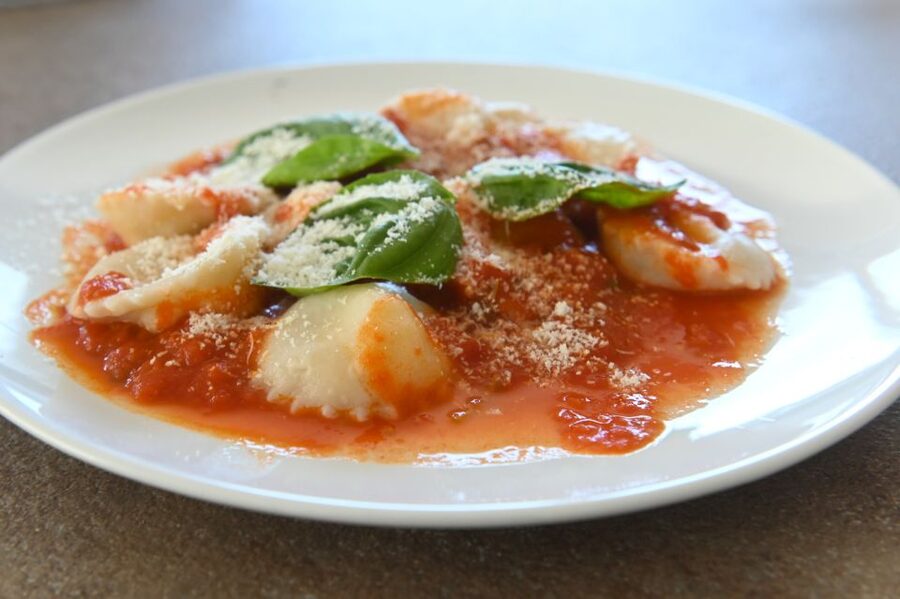
- Three-course hands-on menu: starter, regional fresh pasta, and dessert
- All ingredients and utensils provided, plus a dedicated workstation for each participant
- Wine tasting is part of the meal, with a selection of red and white local wines
- Family stories come with the recipes, often shared through cookbooks from the host’s home
A Private Home Kitchen in Salerno, Where the Room Feels Like Part of the Lesson
This is the kind of experience that changes how you think about Italian cooking. Instead of chasing recipes online and hoping your kitchen behaves like the internet, you get shown the logic behind the food by someone who grew up with it. In a Salerno home, the food feels connected to daily life in Campania.
You also get a calmer pace than many group tours. Because it is private, your host can slow down when you need clarity and speed up when you get it. That matters with pasta, where small moves can make a big difference.
I like that the class is built to be social without turning into a crowd experience. You chat with the host family while you cook, and you sit down to taste your work like you are part of the kitchen team. Some hosts have shared that they welcome guests like family, with examples such as Cesarina and Angela, Sylvia, Carmen, and Antonia. Even when language is mostly Italian in the kitchen, help often shows up within the home, like Carmen’s daughter Francesca supporting with English.
The one practical tradeoff is the home setting itself. You will need to follow the host’s directions for entry and setup once you get the address after booking. And since it is not designed for wheelchair users, plan accordingly if mobility is a concern.
What You’ll Cook in 3 Hours: Starter, Regional Fresh Pasta, Dessert
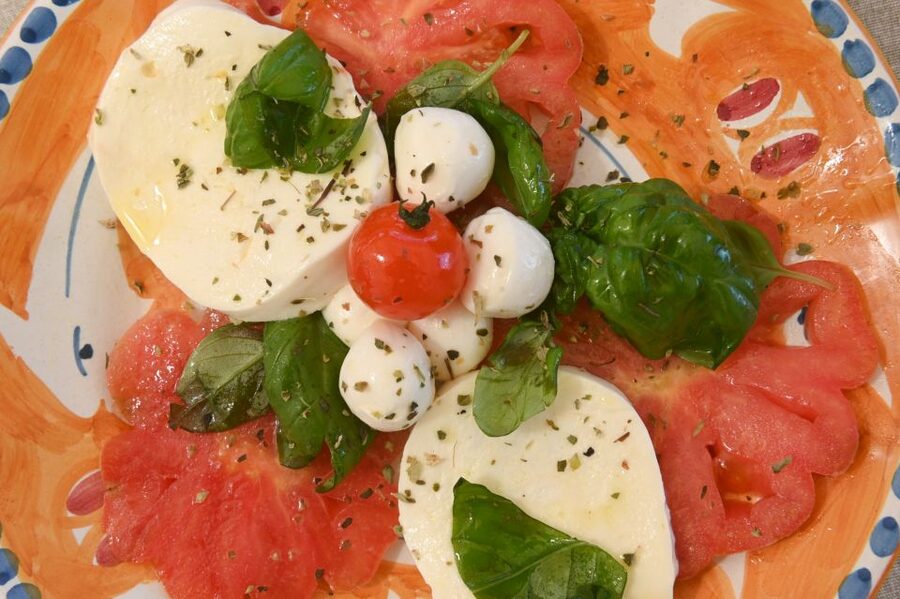
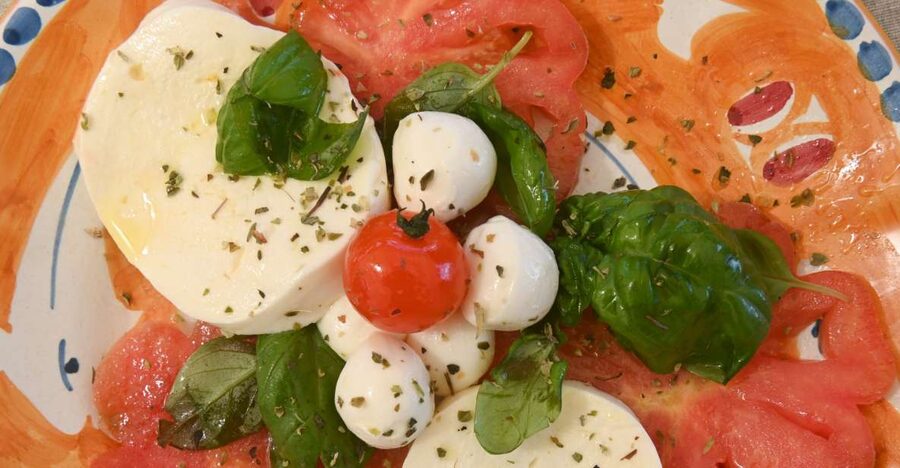
The menu follows a clear structure: a starter with seasonal ingredients, fresh pasta from the region, and a typical dessert. The exact dishes can vary by host and availability, but the shape of the experience stays the same, so you know what you are signing up for.
That three-part flow is smart because it teaches you how Italian meals actually work. A starter sets the flavor base, pasta is the main skill test, and dessert shows the lighter or sweeter side of the region. When you cook all three, you stop thinking of Italian food as separate recipes. You start thinking in terms of balance and sequence.
Fresh pasta is usually where the value becomes obvious. You see the texture choices, the timing, and the technique behind making something that is not just “pasta,” but pasta with the right feel. You also get tips for recreating the dishes at home, which is a big deal if you want results after the trip.
For the starter, you can expect seasonal ingredients and an approach that makes you pay attention to freshness and simplicity. For dessert, you learn how a typical regional sweet is put together, not just served. Even if you do not become the next pasta champion, you will leave with a clearer sense of what to prioritize when shopping and cooking back home.
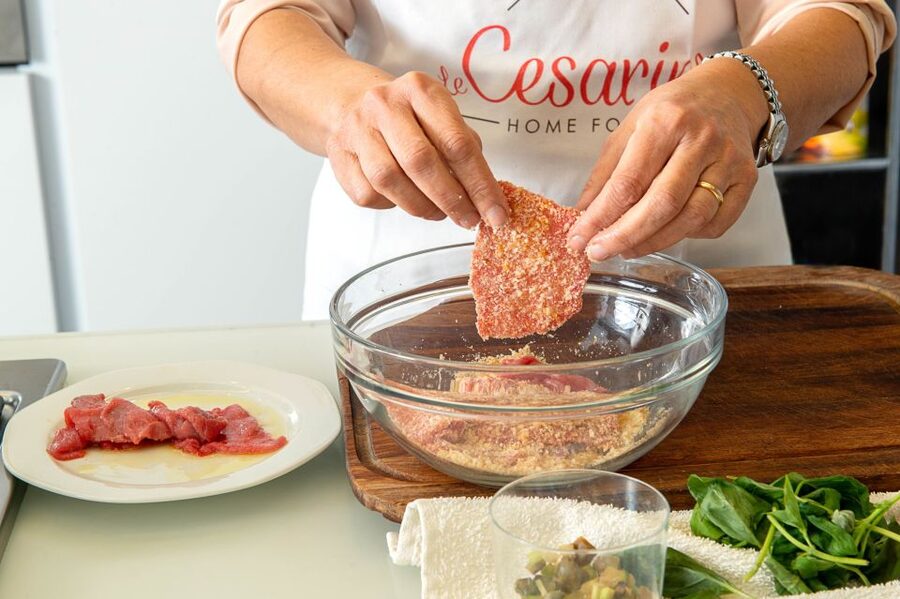
And because your workstation includes utensils and ingredients, you are not stuck waiting around. You can cook, taste, adjust, and keep moving through the course sequence. In a home class, that hands-on momentum is half the fun.
How the Lesson Actually Works: Your Station, the Host’s Tricks, and Real Skill Transfer
This is not a sit-and-watch demo. You have a workstation equipped with utensils and all the ingredients you need. That setup lets you focus on technique instead of logistics, which is what makes private classes worth the price.
The host teaches during the process. You will likely follow along for key steps, then take over for the parts that build skill: mixing, shaping, timing, and finishing. The key phrase to remember is tricks of the trade, because the class is about those little decisions that do not fit neatly into a recipe card.
I also like that the host brings personal context. Many homes share local specialties from family cookbooks, so the food comes with reasons, not just instructions. When a host explains why a particular ingredient matters, you start cooking differently later, because you understand the goal behind each step.
Language is listed as Italian and English for the instructor, but home classes can be wonderfully human about communication. One review example notes Carmen spoke Italian only while her daughter Francesca helped with English. That tells you what to expect emotionally: if you hit a language wall, you will still be able to participate, because the household adapts.
Your best move? Ask practical questions while you are cooking. Think about texture, heat level, and timing. If you want to recreate the pasta later, ask what you should aim for visually and what you should do if your dough feels off. Hosts in these networks tend to explain what they watch for, not just what they do.
The Meal at the End: Wine Pairing, Coffee, and Table Talk
The class ends with tasting what you prepared. You will eat with beverages included: water, local wines, and coffee. The wine pairing is a real part of the experience, because it shows how regional cooking matches regional tastes.
The wines include a selection of both red and white local wines. That is useful, because it helps you understand that the meal is not one-note. Starter and pasta might lean one way, while dessert often changes the flavor game. Even if you are not a wine expert, you can learn by taste and conversation.
This is also where the “home” part becomes more than a setting. You are not eating in a restaurant script. You are chatting with the host family, and that casual talk tends to stick in your memory. If the host shares stories from family cookbooks, you get a sense of how this food traveled through generations and why it stayed local.
I love classes that end like this because it seals the learning loop. You cook, you taste what you made, and then you compare that result to what you thought you were making at the start. The biggest win is that your brain connects technique to flavor.
One more small note: private group setups can make the meal feel like your pace matters. If you have questions about a dish, you can ask them while the food is on the table, not after you are packing up.
Price and Value: Is $164.26 per Person Fair?
At $164.26 per person for a 3-hour private class, this is not a budget activity. But it is also not overpriced for what you receive.
Here is why the value works. You get a private session in a real home kitchen, not a shared cooking space. You cook three courses, with a workstation, utensils, and ingredients included. On top of that, the experience provides beverages during the meal, including wine and coffee. That is a lot of “included” items for one paid price.
The private part is what you are really paying for. In many group classes, you lose time waiting, or you only get partial hands-on attention. With a private setup, your host can guide you through technique while you actively work. In pasta, that attention is what helps you avoid common mistakes like dough that is too sticky, too dry, or improperly timed.
If you compare it to paying for a meal plus a food-focused activity, it can start to feel like a better deal. You are paying for instruction, ingredients, and a guided tasting. Plus you get the local wine pairing, which often ends up being a separate expense in other settings.
My practical take: this is worth booking if you want more than food photos. If you want to learn how to recreate Italian dishes at home, and you enjoy the idea of cooking alongside a family cook, it is money spent in a useful way.
Cesarine and the Home Cook Network: Why the Hosting Style Matters
This experience is offered through Cesarine, an older Italian network of home cooks. It spans more than 1000 home cooks across 500+ cities. That scale matters because it usually means more consistency in the structure of the experience, while still keeping the class personal.
The big benefit of this network is that it connects you with a home cook who is used to hosting travelers. You get a welcoming experience, but also a clear teaching flow. Hosts often have family cookbooks and their own way of explaining regional food, which is where the class feels authentic.
You can also shape who you are matched with. Cesarine asks for food intolerance and allergy details, the neighborhood you are staying in, and how you plan to travel to the host home. That helps avoid awkward surprises, like realizing too late that a dish or ingredient is a problem for your needs.
And you do see the human warmth in the examples from recent hosts. Cesarina and Angela are described as treating guests like family. Sylvia is noted for making a honeymoon moment feel special. Carmen’s home includes English support from Francesca, showing how the family adapts so you can keep up.
So while the meal is the headline, the real product is hospitality plus technique. That is why this tends to land as a highlight for people who care about food and culture in the same breath.
Practical Tips for Your Salerno Class: Timing, Address Privacy, and Dietary Notes
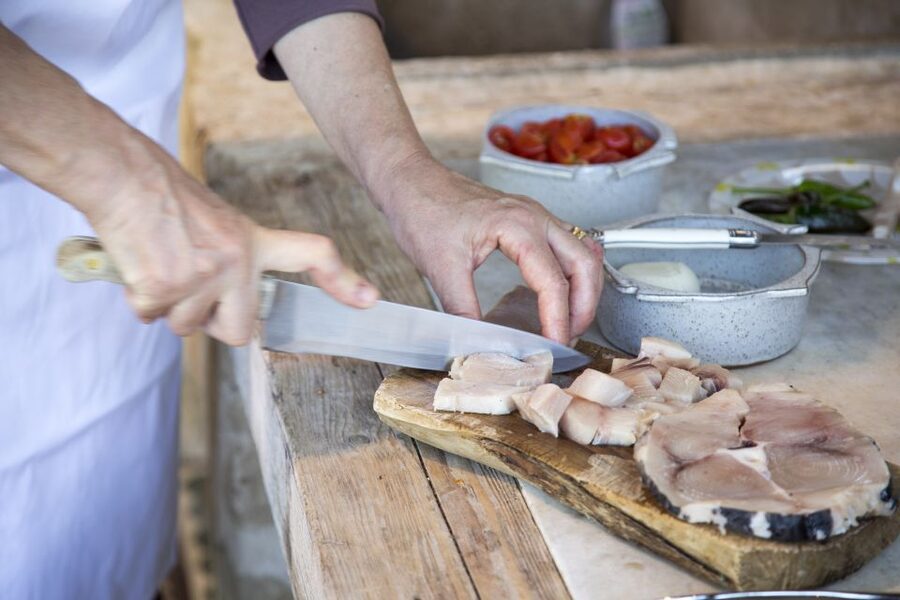
This class lasts 3 hours, so plan your evening around it. Check availability for starting times. Because it is held in a local’s home, you do not get the full address until after booking, for privacy reasons. That means you should wait to arrange taxis or rideshare plans until you receive the host details.
You will receive host details, including a telephone number and the full address, after you share the requested information. If you are staying in a tight central area, it can be easy to reach, but you still need to be ready for a neighborhood-style route, not a hotel pickup.
Timing wise, the 3-hour window is designed to cover prep, cooking, and the full sit-down tasting. Go in hungry, but do not show up starving and frazzled. If you can, arrive 10 minutes early so you can settle and start without rushing.
Diet and allergies are handled during matching. Share food intolerance and allergy information up front, and you will be paired with the most appropriate host. If you have strong preferences, you should communicate them early as well, since the class is built around specific recipes and ingredients.
Also note one limitation: the activity is not suitable for wheelchair users. If that affects your group, you will need to look for another format.
Finally, bring a curious mindset. This kind of class is where you learn how Italians think about texture and timing. Ask questions while you cook, not after, and you will get more out of it.
Should You Book This Salerno Cooking Class at a Local Home?
Book it if you want hands-on Italian cooking in Campania with a real meal at the end. It is a strong pick for food lovers, couples on a special trip, and anyone who wants cooking tips they can use later.
Skip it if you want a big, scripted sightseeing day. This is a focused experience in one home kitchen. Also skip it if mobility is an issue, since it is not suitable for wheelchair users.
If you are deciding between a cooking class and a traditional restaurant meal, pick the class when your goal is skill and memory. The price becomes easier to justify when you remember what is included: three courses you cook yourself, local wine, and instruction from a home cook who shares family context.
In short, if you like your travel with hands-on learning, a Salerno home cooking class through Cesarine is the kind of evening that sticks.
More Cooking Classes in Salerno
- Dining Experience at a local’s Home in Salerno with Show Cooking★ 5.0 · 21 reviews
- Cooking Class Plus Wine Tasting Experience★ 5.0 · 15 reviews
- Private Cooking Class at a Cesarina’s Home in Salerno★ 5.0 · 11 reviews
- Private cooking class with lunch or dinner in Cava De Tirreni★ 4.5 · 5 reviews
Just Your Group
- Private Boat Excursion to the Amalfi Coast★ 5.0 · 142 reviews
- Private boat tour of the Amalfi coast or Capri★ 5.0 · 106 reviews
- Private 40hp Boat Tour of the Amalfi Coast and Positano★ 4.5 · 81 reviews
- Private Lesson on the Ceramic Tradition in Vietri sul Mare★ 5.0 · 66 reviews
- Paestum: Private Tour of Greek Temples and Archaeological Museum★ 5.0 · 60 reviews
More Tour Reviews in Salerno
- Salerno: Amalfi Coast Cruise with Lunch, Aperitif & Swimming★ 4.5 · 879 reviews
- Small-Group Amalfi Coast Day Cruise from Positano★ 5.0 · 678 reviews
- Amalfi Coast Boat tour Small Group★ 5.0 · 501 reviews
- From Salerno: Day Trip to Amalfi Coast by Boat with Drinks★ 4.9 · 374 reviews
- From Salerno: Small Group Amalfi Coast boat tour with stops in Positano & Amalfi★ 5.0 · 291 reviews
More ways into Cooking Classes.
 ★ 5.0Hands-On Cooking Class & Farmhouse Tour on the Amalfi CoastFrom $156956 reviews
 ★ 4.8Pasta and Tiramisu Cooking Class with Wine597 reviews
 ★ 5.0Cooking class with Pasta, mozzarella and Tiramisu with wineFrom $72549 reviews
 ★ 5.0Authentic Cooking with Locals: Meal, Wine & Scenic ViewsFrom $147396 reviews
 ★ 5.0Best Sorrento cooking schoolFrom $241369 reviews
 ★ 5.0Hands-On Italian Cooking Class with Local Sorrento ChefFrom $193283 reviews
 ★ 5.0Amalfi: Cooking Class and Farmhouse Visit With MealFrom $157262 reviews
 ★ 5.0Amalfi: Cooking Class with Pasta, Mozzarella, and TiramisùFrom $66202 reviews
Other useful routes from here