
REVIEW · SORRENTO PENINSULA & NERANO TOURS
Discovery Tour of Sorrento Lemon in Massa Lubrense
Lemons here are made, not just sold. On this 2-hour Sorrento Lemon Discovery Tour in Massa Lubrense, I love how Rita Ruocco explains citrus production from bitter orange seedbeds to grafting, and I love the tasting lineup paired with Gulf-of-Naples views. One possible drawback: it is an outdoor farm visit, so wear shoes you trust and dress for whatever the hills decide to do that day.
You start at the bus stop by the Chiesa ex Cattedrale di Santa Maria delle Grazie, then you ride up to the family property. Expect a small group (max 30), English-led guiding, and a mobile ticket that keeps the day stress-light.
If you want a real look at how Sorrento lemons are grown, not a quick stop with a souvenir photo, this tour hits the sweet spot.
Key things to know before you go
- Seedbed lesson first: you’ll see how bitter orange seeds get started before anything goes into the ground.
- Mother plants and grafting, up close: you’ll visit adult plants and watch twigs get used for grafting.
- Panoramic breaks built into the schedule: you pause to taste liqueurs, take photos, and hear the story of the lemon.
- Traditional pergolas appear during the walk: you’ll stroll under the Sorrentine pergola style that protects citrus.
- End with jams tastings: the finish is food-focused, with house-made products tied to the farm story.
From Sorrento to a working lemon orchard in Massa Lubrense
This is a farm tour, not a museum. You leave Sorrento and head into the hills of Massa Lubrense, where lemons are part of everyday work, not just a brand.
The day starts with a simple meet-up at the bus stop near the Chiesa ex Cattedrale di Santa Maria delle Grazie. From there, your guide brings you to the farm where the tour flow makes sense: drink something fresh, see how plants are raised, then learn the technique behind the fruit you buy back in town.
It’s also a small-group experience, with a max of 30 people, so you’re not shouting over a crowd. And it runs in English, which makes it easier to follow the practical plant talk without guessing.
Meeting point at the church bus stop, then settling into farm time
One detail I appreciate is how the morning is paced. You meet at a clear, public spot, then you’re taken to the company. That means less “how do I get there?” stress than many food experiences where you’re left to figure it out on your own.
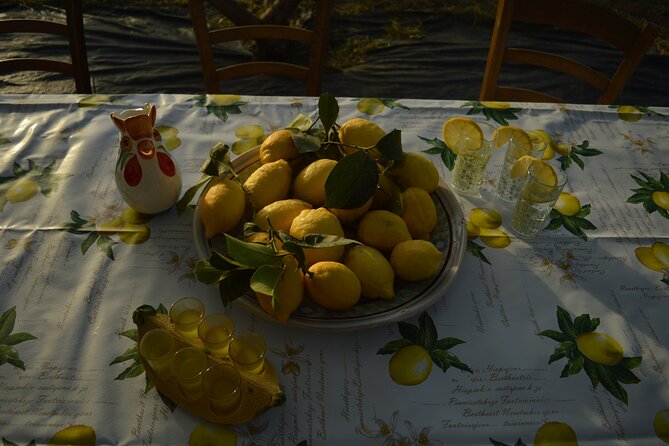
From the start, the host sets a friendly tone. You’re offered lemonade and lemon slices with sugar before the tour proper. It’s a small thing, but it works, because it gets your senses switched on. You’re not just hearing about citrus, you’re tasting it while you learn.
The tour uses a mobile ticket, and it includes confirmation at the time of booking. It’s also designed to be easy to join if you’re near public transportation, which is helpful because this area is famous for hill roads and traffic that can slow you down.
Seedbed to fruit: how the citrus process is explained
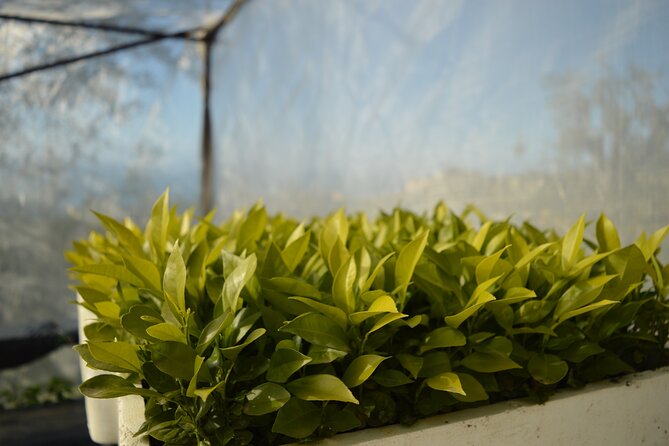
The heart of the experience is watching how the lemon system works as a chain, not a single moment. You’ll begin with a visit to a seedbed where bitter orange seeds are planted. That might sound like background info, but it’s actually the foundation. If you’re curious about why certain citrus behaves the way it does, this starting point gives you the why.
Next comes the area of mother plants, sometimes described as adult plants. Here, the focus shifts from “growing from scratch” to “reproducing what already works.” You’ll see how a small twig is taken from these plants for grafting.
This is the part that really makes the tour feel hands-on and real. A lot of food tours talk about products. This one talks about production, including the decisions that farmers make to keep fruit quality consistent.
Grafting shown clearly, with plants you can actually see
Then you get the grafting instruction. You’re shown how a graft is made, and you’re also pointed to what the process produces. Even if you don’t know a lot about plants, the farm setup makes it easier to follow, because you’re not listening to a lecture, you’re walking through the living stages.
Grafting is one of those agricultural topics that sounds technical until you see it in context. Here, it’s tied to Sorrento lemon production, so it feels practical. You come away understanding that the lemon you taste is the result of work that starts long before harvest.
You also get an in-the-field feel for timing. Seedbeds are one stage, mother plants another, and the grafted outcomes are another. It’s a sequence you can watch with your own eyes.
A panoramic break where the story of the lemon lands
After the farm walk through the plant stages, you reach a panoramic point. This is where the tour takes a breather and gives you something visually rewarding.
You relax while tasting liqueurs, taking photos, admiring the view over the Italian coastline, and listening to the story of how lemons came to be part of this area. It’s not just scenic sightseeing tacked onto the end. The viewpoint helps put everything together, because you start to see why citrus farming thrives here, in this climate and terrain.
If you’re planning your day in Sorrento, this is a smart pause. You’re still learning, but you’re also taking in the bay and the islands, which makes the whole morning feel like more than a checklist.
The pergola walk: shade, protection, and old-school practical design
After the tasting and explanation at the panoramic point, you’ll be shown how the graft work fits into the broader farm system. Then, before heading back, there’s a walk under the typical Sorrentine pergola.
This is one of those details that’s easy to overlook in a quick tour. But pergolas matter in citrus cultivation because they provide protection and microclimate comfort. Here, it’s explained through the walk itself, so you see it the way the farmers use it.
It also makes the tour feel rooted in place. You’re not just moving between demo stations, you’re walking through a working farm structure that’s part of the local style.
Tastings that actually connect to the lemons
Food lovers should pay attention here, because the tour is not only “look at trees, good luck.” It includes tasting at multiple points.
Early on, you get lemonade and lemon slices with sugar. Later, at the panoramic point, you taste house liqueurs. The tour ends back at the first step with jams tastings, which is a satisfying payoff after learning about how the plants are raised and reproduced.
Several guests also highlight specific products, including limoncello as a standout. Some mention tasting marmalades, and a few note that the farm also produces extra virgin olive oil. If you’re choosing this tour because you want to bring home edible gifts that taste like where they came from, you’re likely in the right place.
The tastings also help you remember the agricultural lesson. You’ll notice the difference between “lemon as flavor” and “lemon as an agricultural process.”
Views and the ride matter more than you think
The drive up and the setting are part of the experience value. Even before you reach the orchard, the hills around Sorrento and Massa Lubrense set the tone. Once you’re at the panoramic stop, the Gulf-of-Naples views make the timing feel worth it.
Here’s the practical angle: if you’re doing only indoor food stops in Sorrento, you miss what makes this coast special. This tour gives you open air, coastline views, and a reason to slow down. It’s a different kind of Sorrento experience, and it tends to be the one people remember later.
Price and value: what you get for about $54 per person
At about $54.07 per person for roughly 2 hours, the cost can feel mid-range for a food-and-drink activity. The value is in what’s included, and it’s not just lemon-flavored snacks.
You’re paying for a guided walk through real farm areas, with seedbeds, adult plant sections, and grafting demonstrations. Then you’re getting multiple rounds of tastings: lemonade, lemon slices with sugar, liqueurs at the viewpoint, and jams at the end.
For me, that adds up to a lesson plus food, which is a better deal than tours that only give a small tasting at the end. Also, the group size caps at 30, and the guiding is in English, which reduces the risk of being stuck with a confusing experience.
If you are already spending time in the Sorrento area, this is a good use of a half-visit day. It’s short enough to fit without hijacking your whole itinerary, but long enough to feel like you actually learned something.
Who this tour is best for (and who should skip it)
This experience is ideal if you like food with a story and you enjoy learning how ingredients are produced. If you’ve ever wondered why Sorrento lemons taste the way they do, the seedbed and grafting focus helps you connect flavor to farming.
It’s also a good pick if you want a more personal farm vibe. Multiple guests describe it as welcoming and family-centered, with Rita in particular providing clear explanations and time for questions.
You might choose something else if you:
- want a fully wheelchair-friendly, mostly flat walking route (the tour includes farm walking)
- dislike outdoor activities in heat or wind
- prefer strictly museum-style explanations with zero tasting
Timing, weather, and practical tips for a smooth visit
The tour runs about 2 hours, so you should plan it as a standalone block. It’s great as a morning activity because you can recharge afterward and keep the rest of your day flexible.
Weather matters. This experience requires good weather, and if it gets canceled due to poor conditions you’ll be offered another date or a full refund. Since citrus farms are outdoors, plan to wear layers. Coastal hills can feel cooler once you’re on the farm paths.
Good shoes help. You’ll walk through sections of the orchard and under pergolas, so you want grip. Bring a small water bottle if you tend to get thirsty while walking, even though you’ll start with lemonade.
Service animals are allowed, and most travelers can participate. The group is kept to a maximum of 30, and you’ll be guided in English.
One more practical point: this tour is often booked ahead, with an average booking window of about 57 days. If you’re traveling in peak season, I’d reserve early so you’re not trying to solve lemons at the last minute.
Should you book the Discovery Tour of Sorrento Lemon?
Book it if you want the real work behind citrus, not just the taste. The best reason to go is the combination of grafting and seedbed-to-fruit explanations, paired with tastings and Gulf-of-Naples views. It’s educational without feeling like homework, and it ends with edible souvenirs you can actually use.
Skip it if you’re looking for something purely urban, or if farm walking in outdoor conditions is a no-go for you. But if you’re even slightly curious about how farmers produce consistent fruit quality, this tour is a smart, flavorful use of your Sorrento time.
FAQ
Where does the tour start?
You meet your guide at the bus stop by the Chiesa ex Cattedrale di Santa Maria delle Grazie.
How long is the Discovery Tour of Sorrento Lemon?
It lasts about 2 hours.
What does it cost?
The price is $54.07 per person.
What language is the tour offered in?
The tour is offered in English.
Do I need a paper ticket?
No, you get a mobile ticket.
What is the maximum group size?
The tour has a maximum of 30 travelers.
What kind of tastings are included?
You’re served lemonade and lemon slices with sugar, you taste liqueurs during the tour, and the experience ends with jams tastings. Some house products highlighted include limoncello and marmalades.
Are service animals allowed?
Yes, service animals are allowed.
Is the tour suitable for most people?
Yes, most travelers can participate.
What happens if the weather is bad?
The experience requires good weather. If it is canceled due to poor weather, you will be offered another date or a full refund.
Can I cancel for a full refund?
Yes. You can cancel up to 24 hours in advance for a full refund.
More Tours in Sorrento
- Sorrento: Exclusive Capri Boat Tour and Optional Blue Grotto★ 4.8 · 3,170 reviews
- Capri Blue Grotto Small-Group Boat Day Tour From Sorrento★ 4.5 · 2,511 reviews
- From Sorrento/Nerano: Amalfi and Positano Boat Tour★ 4.6 · 2,440 reviews
- Sorrento: Skip-the-Line Pompeii Express Tour by Train★ 4.8 · 2,038 reviews
- From Sorrento: Capri Boat Tour with Blue Grotto Visit★ 4.7 · 1,759 reviews
More Tour Reviews in Sorrento
- Sorrento: Exclusive Capri Boat Tour and Optional Blue Grotto★ 4.8 · 3,170 reviews
- Sorrento Farm and Food Experience including Olive Oil, Limoncello, Wine tasting★ 5.0 · 2,524 reviews
- Capri Blue Grotto Small-Group Boat Day Tour From Sorrento★ 4.5 · 2,511 reviews
- From Sorrento/Nerano: Amalfi and Positano Boat Tour★ 4.6 · 2,440 reviews
- Day Trip to Positano, Amalfi & Ravello from Sorrento★ 4.5 · 2,371 reviews
Around the Peninsula to Nerano
- From Sorrento/Nerano: Amalfi and Positano Boat Tour★ 4.6 · 2,440 reviews
- From Sorrento/Nerano:Capri Shared Tour (9:15am Boat Departure)★ 4.5 · 448 reviews
- From Sorrento/Nerano: Capri Island Cruise with Guide Onboard★ 4.6 · 439 reviews
- From Sorrento/Nerano:Amalfi Shared Tour (9:00am or 11:15am )★ 4.5 · 333 reviews
- E-Bike Food and Wine Tour in the Sorrento Peninsula★ 5.0 · 271 reviews
More ways into Sorrento Peninsula & Nerano Tours.
 ★ 4.6From Sorrento/Nerano: Amalfi and Positano Boat TourFrom $702,440 reviews
 ★ 4.7From Pompeii/Castellammare/Vico Equense: Capri Day CruiseFrom $87478 reviews
 ★ 4.5From Sorrento/Nerano:Capri Shared Tour (9:15am Boat Departure)From $90448 reviews
 ★ 4.6From Sorrento/Nerano: Capri Island Cruise with Guide OnboardFrom $75439 reviews
 ★ 4.5From Sorrento/Nerano:Amalfi Shared Tour (9:00am or 11:15am )From $84333 reviews
 ★ 5.0E-Bike Food and Wine Tour in the Sorrento PeninsulaFrom $131271 reviews
 ★ 4.4From Pompeii/Vico Equense: Amalfi, Positano, & Ravello TourFrom $105133 reviews
 ★ 5.0Mozzarella Experience with Tasting in Vico EquenseFrom $102104 reviews
Other useful routes from here