
REVIEW · HERCULANEUM TOURS
Herculaneum 2-Hour Private Guided Tour
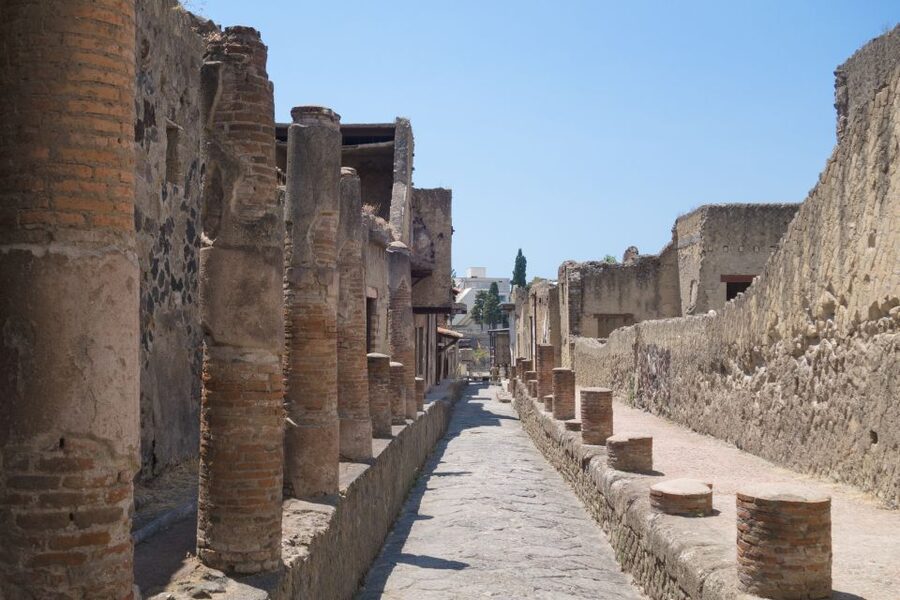
Ash buried a city, and art survived. This Herculaneum private tour is interesting because the ruins are preserved differently than Pompeii, thanks to how lava buried the town closer to Mount Vesuvius. You get a flexible 2-hour format with private guiding and skip-the-ticket-line access, so you can focus on what matters at the site.
What I love most is the way you’re led through the remains of everyday Roman life, not just big headlines. You’ll also spend time on the site’s colorful murals and wall art, plus how your guide explains what the eruption changed and why Herculaneum’s buildings lasted. A possible drawback is time, because a 2-hour stop can feel short if you want to slow down and linger over details and stories.
Key takeaways before you go
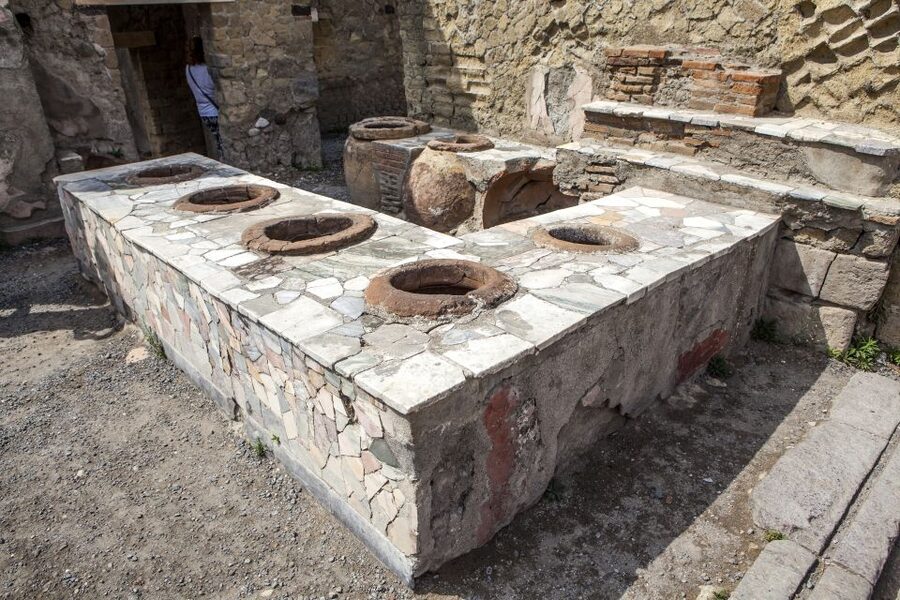
- Herculaneum was buried in a way that preserved buildings better than Pompeii, so you can see architecture more clearly
- Murals and artwork help you picture homes of wealthy nobles, not just ruins and rubble
- A private 2-hour pace means you can ask questions and adjust stops without herding
- Skip-the-line entry helps you start sooner, which matters on hot days
- Guides like Daniela, Alessia, Teresa, and Anna come up in the experience details for their patient explanations, including child-friendly Q&A
Herculaneum’s Vesuvius story, and why it looks different
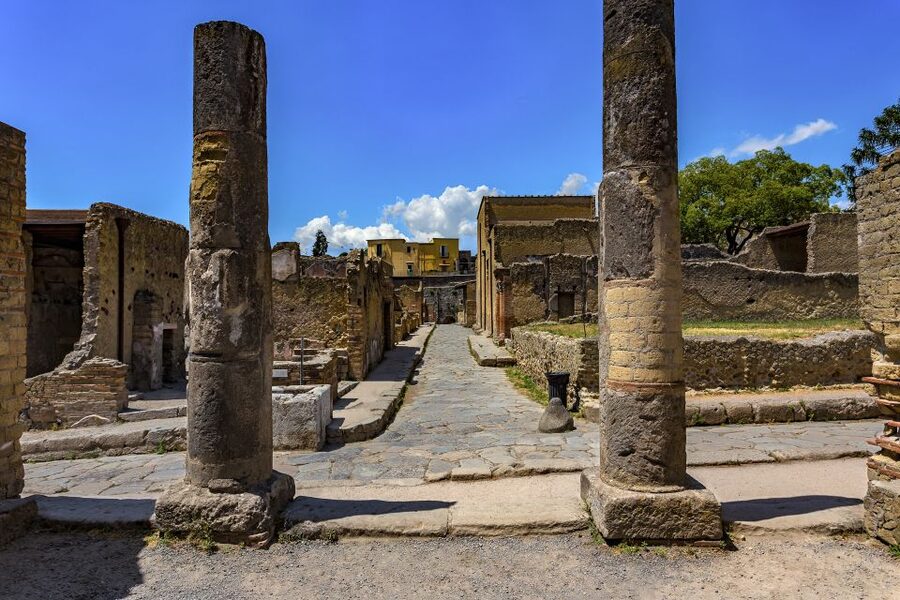
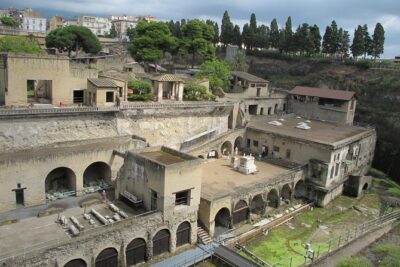
Herculaneum (often called Ercolano) sits in Campania, and it shares the famous disaster of Pompeii. The difference is in what happened during the eruption and how the town ended up preserved. Herculaneum was located closer to Vesuvius than Pompeii, and it was buried deeper by lava, which helped many parts of the built environment survive in a way that can feel surprisingly intact.
That preservation is the whole point of why a guided visit here feels so effective. Without help, it’s easy to see walls and floors and wonder what you’re looking at. With a guide, those same structures turn into rooms, streets, and social spaces you can mentally place in time.
This is also a smart switch if you already planned on Pompeii. You’ll recognize the broader story of volcanic destruction, but Herculaneum gives you a different angle: more of the home life and less of the “only foundations” feeling you get in some Pompeii areas. If you like authenticity and real texture, this is the version of Vesuvius you’ll probably remember.
2-hour private guiding: what you can actually cover
A private tour for 2 hours sounds simple, but it’s a big deal in a site like this. Herculaneum is not a quick look-and-go museum. It’s a walk-through archaeological experience, and the best value comes when your guide decides what to emphasize so you don’t waste time piecing it together.
I like that this format is designed for real conversation. The private group setup means you’re not stuck listening to a group that’s moving at the wrong speed. Several experience details highlight guides who kept questions flowing, including time for kids, and that’s exactly what makes a short tour feel longer in a good way.
Still, here’s the honest consideration: two hours can fly. One guide experience notes that 2 hours felt too short to fully absorb everything. If you tend to slow down for every wall painting and every carved surface, you might wish you had more time. If you’re planning a day with multiple stops, though, the 2-hour length can be a win because it keeps your schedule from collapsing.
Murals, rooms, and daily life in homes of wealthy Romans
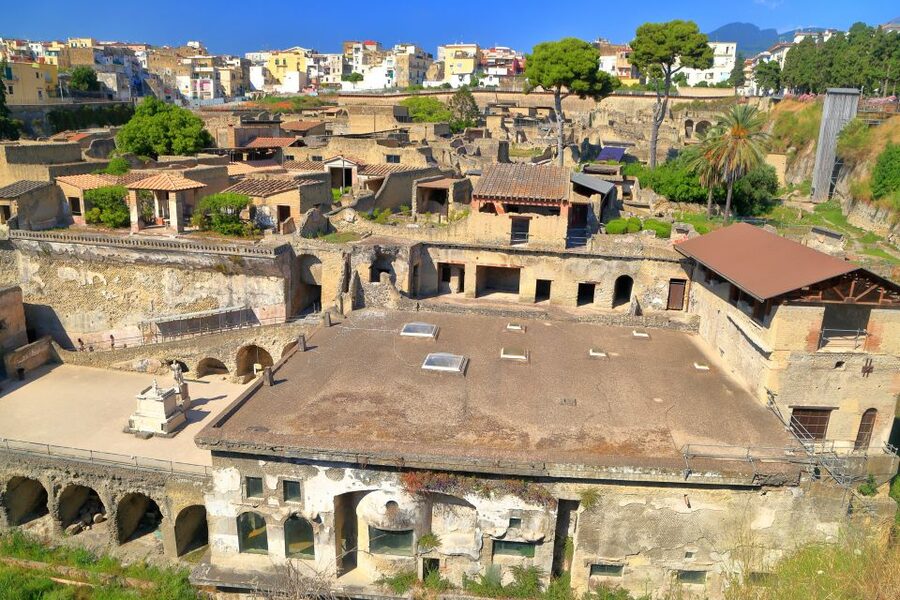
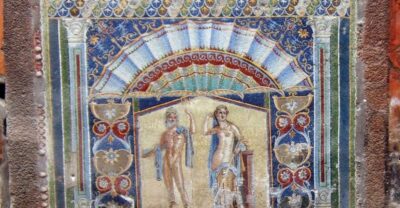
The headline highlight is the preserved art. You’ll get to see colorful murals and other artwork, and your guide uses them to tell you what daily life looked like. This is not just decorative background. Roman wall paintings help you imagine rooms as they were used, where people sat, cooked, relaxed, and hosted.
You’ll also hear about wealth and social difference. Herculaneum is often described as richer than Pompeii in this context, and the focus on homes of wealthy nobles makes that point feel concrete. When you’re standing where those people lived, the contrast becomes easier to understand than reading it in a book.
Here’s why this matters for you: murals and domestic art are one of the fastest ways to humanize the past. You’re not only learning about catastrophe, you’re learning what ordinary life included before it was interrupted. And because the site preserves more of the architecture, the art lands better, since you can connect the painting to the space around it.
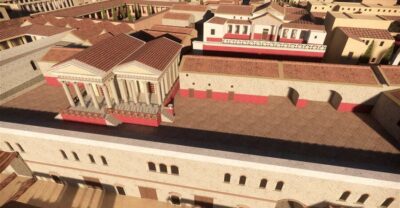
Some guides also add visual support. One experience detail notes Daniela using an iPad with visualizations of what buildings might have looked like in the 1st century AD. If your guide uses tools like that, it’s a practical way to bridge gaps when parts of a scene are missing.
How the eruption details get explained at the right pace
Most people know the story of Mount Vesuvius and the date. What you might not know is how to connect that big event to what you see on the ground in front of you. That’s where a good private guide changes the experience.
You’ll hear the eruption story and its impact, and the goal is interpretation as you walk. Instead of dumping facts at the start, the guide ties explanations to the ruins you’re standing near. That approach helps you build a mental timeline, from normal Roman life to what the disaster did to structures and spaces.
I also like that your guide is multilingual. This tour lists Spanish, English, French, Italian, and German, which makes it easier to get explanations in a language you can actually think in. For a complex topic like volcanic burial, comfort with the language is not a luxury, it’s part of the value.
And if you’re traveling with kids, this format can be a big help. One experience detail specifically calls out a guide spending a lot of time answering questions and staying pleasant with children. You won’t need to turn your trip into a lecture. Instead, you can treat the ruins like a guided story with room for curiosity.
Meeting at the site and skipping the ticket line
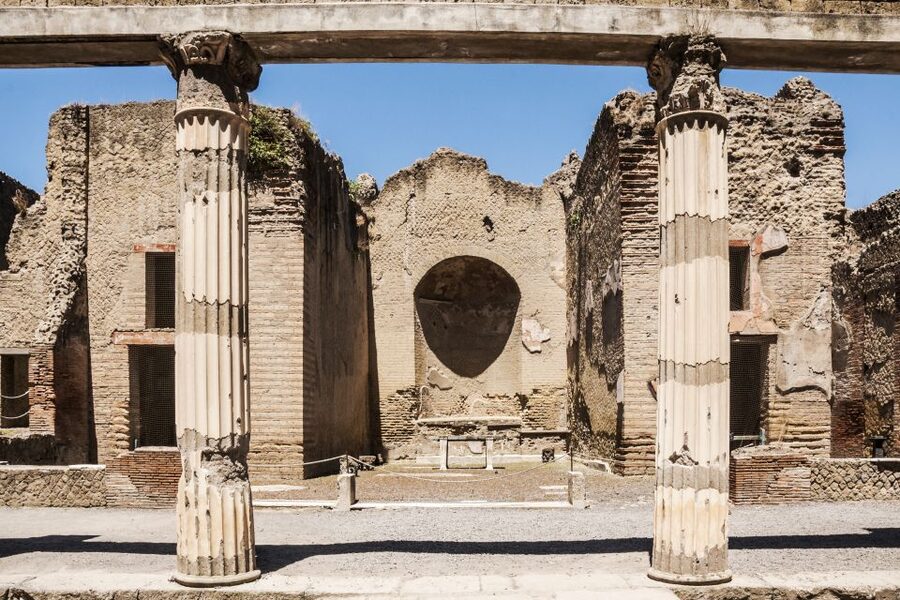
This tour meets you at a meeting point that can vary depending on the option booked. In practice, the experience details indicate the guide meets you at the ticket area with tickets in hand, so you skip the line and get moving sooner.
Skipping the ticket line matters more than you might expect. Herculaneum can get hot, and every minute spent waiting cuts into the time your guide has with you. A faster start also helps you get your bearings earlier, when your eyes are still fresh and you’re more likely to notice murals and architectural details.
The tour ends back at the meeting point. That’s useful when you’re working within a tight travel plan. You won’t end up stranded in the middle of nowhere, and it’s easier to connect with your next transport or next stop.
Transportation is not included, so you’ll want to plan your own way to Herculaneum. That’s typical for this kind of site tour, but it’s still something to remember when you’re budgeting time and energy.
Price per group up to 8: value in practice
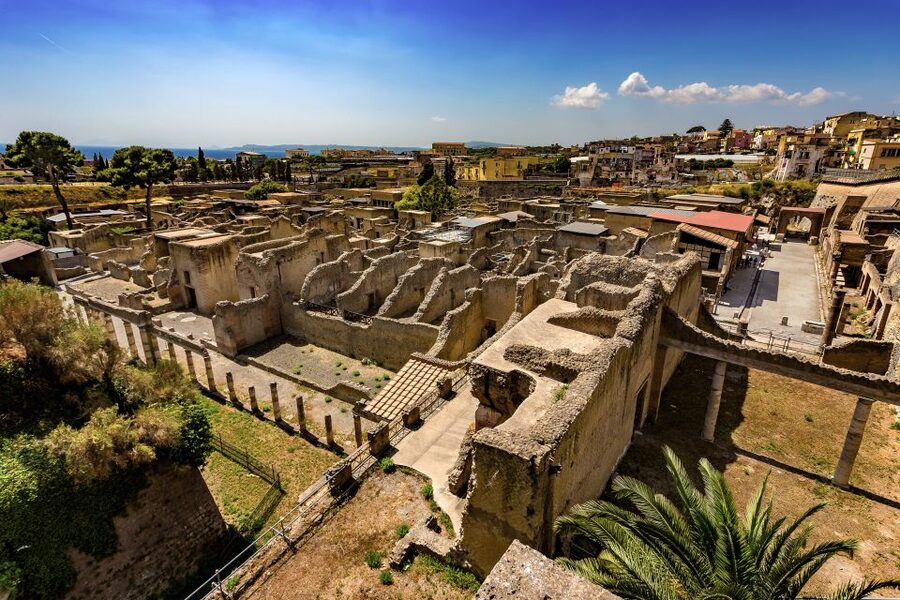
The price is $283.21 per group for up to 8 people, for a 2-hour private guided tour. On paper, that’s not cheap, but private guiding at archaeological sites is usually priced around guide time plus the fact that you skip line waiting.
Here’s how I think about value in a practical way. If you’re traveling as a couple or a small family, private pricing can still make sense because you’re paying for direct attention. You’re not competing with other languages, other pacing styles, or other attention spans. If you have kids, the ability to ask questions and keep them engaged can be worth a lot, especially since Herculaneum is not the kind of place that works well if you’re only skimming.
If you split the cost across a group, the math gets even easier. Up to 8 people means families and small friend groups can share the guide time while still keeping the tour private.
Also note what’s included. The tour includes a private guided tour, and an entrance ticket is included only if you select that as an extra. You’ll want to double-check what your booking includes so you don’t arrive needing an additional ticket purchase.
Meals and drinks are not included, so plan your timing accordingly. A 2-hour visit can work neatly between other plans, but you’ll still want to handle food outside the tour.
Family-friendly ruins, with time for kids’ questions
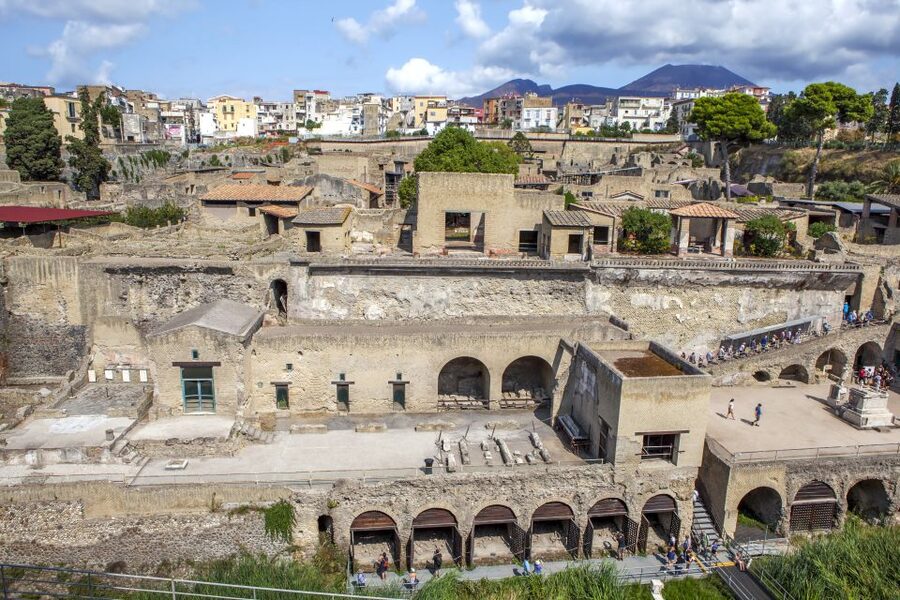
This tour explicitly notes that it works well for families. The reason is simple: private tours let you slow down when questions pop up and speed up when kids are ready to move.
Some experience details describe guides who were patient with children and spent time answering questions. That matters because Herculaneum’s story is layered, and kids tend to engage best when the guide answers in plain language and keeps it interactive.
The site also gives you natural “learning moments.” Murals are visual, architecture is tangible, and the eruption story can be explained through cause and effect. If your kids like pictures, they’ll have something to point at constantly.
One more practical note for families: you’ll need to bring IDs for anyone under 18. The tour info states that guests under 18 must bring their IDs with them. That’s easy to forget when you think “this is just a museum visit,” so it’s worth adding to your pre-departure checklist.
Practical tips: shoes, IDs, and what to leave behind
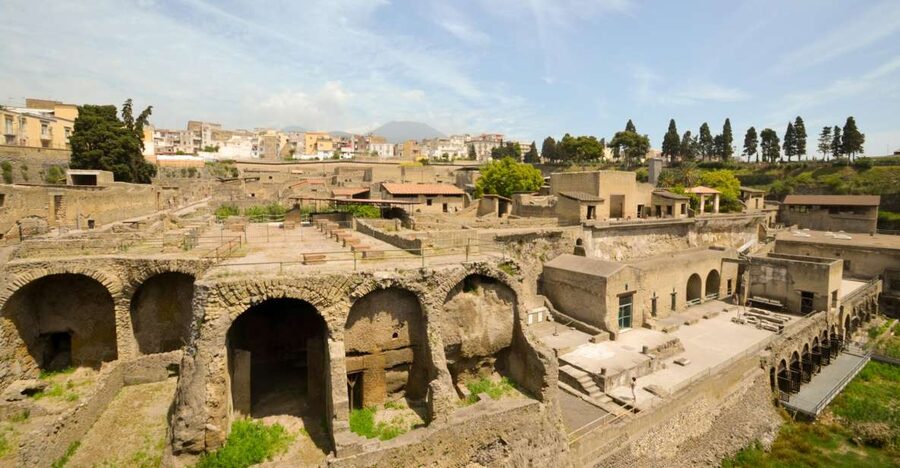
Wear comfortable shoes. That’s in the tour requirements, and it’s also the truth of visiting any archaeological site on uneven ground. You’ll walk enough to make good footwear feel like a small kindness.
Bring a passport or ID card. The info also repeats the under-18 ID requirement, so don’t pack IDs in a way that kids can’t reach. Keep it simple, keep it on hand.
Luggage or large bags are not allowed. So if you’re coming straight from a hotel or train with big suitcases, you’ll need a plan for storage before the tour. This is common for attractions, but it can surprise you if you’re used to traveling light at day trips.
If you’re visiting on the first Sunday of each month, entrance is free of charge. However, tickets cannot be reserved ahead of time, so entry is not guaranteed. If free entry is a key part of your budget, build in backup flexibility, because you might still have to pay for guaranteed access depending on availability.
Finally, choose your starting time wisely if you can. While the exact schedule isn’t provided here, the tour lists starting times based on availability. A smarter start can help you avoid the hottest part of the day.
Should you book this Herculaneum 2-hour private tour?
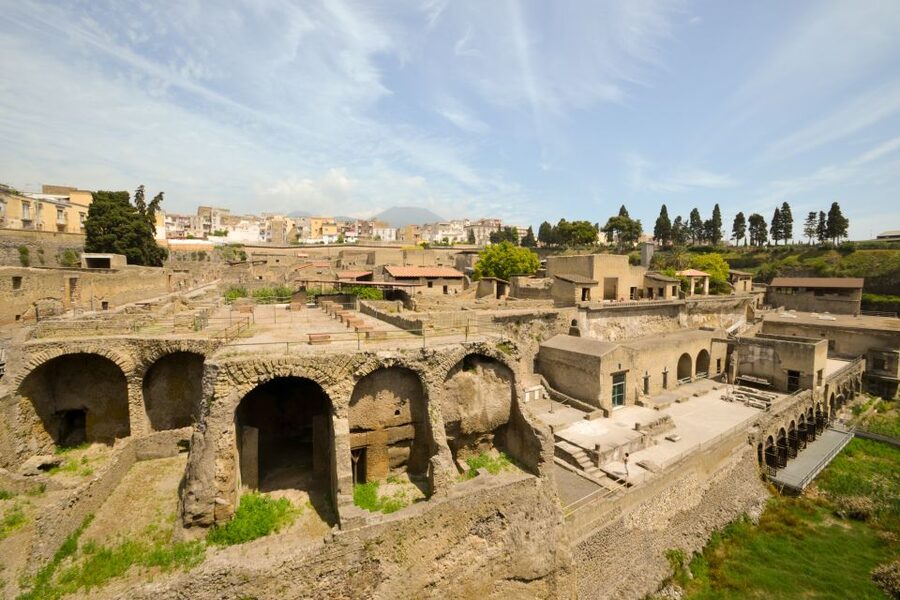
Book it if you want a focused visit with strong storytelling and direct access to the site. The combination of preserved murals, a guide who connects what you see to the eruption impact, and a private pace makes the 2 hours feel purposeful.
I’d skip it or consider a longer visit plan if you’re the type who needs hours to absorb every detail. Two hours is great for a first look and for connecting Pompeii and Vesuvius into one clear narrative, but it can feel short if you’re planning deep study.
It’s also a smart booking if you’re traveling with a family or a small group. Private guiding is often the difference between a trip that feels like facts and a trip that feels like a conversation.
If you’re already comfortable with the logistics of getting to Herculaneum on your own, this tour is an efficient way to make your time count.
FAQ
How long is the Herculaneum private guided tour?
It lasts 2 hours.
Is this tour private or shared with other people?
It’s a private group tour.
What group size is this tour priced for?
The price is per group up to 8 people.
What languages are available for the live guide?
Spanish, English, French, Italian, and German.
Where do we meet, and where does the tour end?
The meeting point may vary depending on the option booked. The tour ends back at the meeting point.
Is the entrance ticket included?
An entrance ticket to the Herculaneum archaeological site is included only if selected as an extra.
Does the tour include skip-the-ticket-line access?
Yes, it includes skip the ticket line.
What should I bring to the tour?
Bring a passport or ID card and wear comfortable shoes.
What items are not allowed during the visit?
Luggage or large bags are not allowed.
Is it free to enter Herculaneum on the first Sunday of the month?
Entrance is free on the first Sunday of each month, but tickets can’t be reserved ahead of time, so entry is not guaranteed.
More Tours in Archaeological Site Of Herculaneum
- Herculaneum: 3D Walking Tour with Skip-the-Line Ticket★ 4.3 · 313 reviews
- 2-Hour Private Tour of the Ruins of Herculaneum★ 4.9 · 36 reviews
More Tour Reviews in Archaeological Site Of Herculaneum
- Herculaneum: 3D Walking Tour with Skip-the-Line Ticket★ 4.3 · 313 reviews
- Ercolano: Herculaneum Skip-the-Line Ticket & Audio Guide★ 4.0 · 275 reviews
- 2-Hour Private Tour of the Ruins of Herculaneum★ 4.9 · 36 reviews
- Herculaneum: Half-Day Guided Trip from Naples★ 4.2 · 6 reviews
More Days in Herculaneum
- Herculaneum: 3D Walking Tour with Skip-the-Line Ticket★ 4.3 · 313 reviews
- Ercolano: Herculaneum Skip-the-Line Ticket & Audio Guide★ 4.0 · 275 reviews
- 2-Hour Private Tour of the Ruins of Herculaneum★ 4.9 · 36 reviews
- Herculaneum: Half-Day Guided Trip from Naples★ 4.2 · 6 reviews
More ways into Herculaneum Tours.
 ★ 5.0Pompeii and Herculaneum Small Group Tour with an ArchaeologistFrom $771,350 reviews
 ★ 4.8Pompeii: Small-Group Tour of Pompeii and Herculaneum867 reviews
 ★ 4.1Ercolano: Herculaneum Entry Ticket with Optional Audio GuideFrom $21581 reviews
 ★ 4.3Herculaneum: 3D Walking Tour with Skip-the-Line TicketFrom $45313 reviews
 ★ 4.5Guided Day Tour of Pompeii and Herculaneum with Light LunchFrom $185311 reviews
 ★ 5.0Private Day Tour to Vesuvius, Herculaneum & Pompeii with Pick UpFrom $120279 reviews
 ★ 4.0Ercolano: Herculaneum Skip-the-Line Ticket & Audio GuideFrom $35275 reviews
 ★ 4.3Herculaneum: Skip The Line Entrance ticket + AudioguideFrom $35266 reviews
Other useful routes from here