
REVIEW · HERCULANEUM TOURS
Herculaneum: Skip The Line Entrance ticket + Audioguide
Herculaneum feels close to 79 AD. This skip-the-line ticket paired with an audio guide makes it easy to explore the buried Roman town at your own pace, with clear stop-by-stop narration to guide your walk.
What I like most is the freedom. You set the rhythm, and you can zoom in on what you care about, instead of being swept along by a group tempo. I also love that the audio guide uses a detailed map with numbered references, which helps you make sense of the site without getting lost.
One drawback to plan for: the package includes the guide hardware but not headphones. You may need to bring your own audio setup, and a few people noted the device experience was a bit fiddly up close.
Key takeaways before you go
- Skip-the-line entry saves time at the start, so you spend more minutes inside the ruins.
- Self-guided pacing means you can linger where you like, especially if your schedule is tight.
- Audio guide + map helps you connect the story to the buildings and streets as you walk.
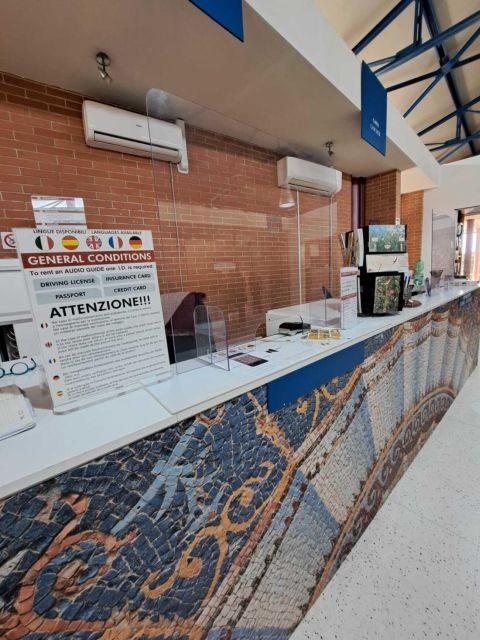
- Multiple languages are available: Italian, German, English, French, Spanish.
- A compact site makes it realistic to finish in about 2.5 to 3 hours if you keep a steady pace.
- Headphones are not included, so bring your own if you prefer a comfortable setup.
Herculaneum in real life: why this ticket works
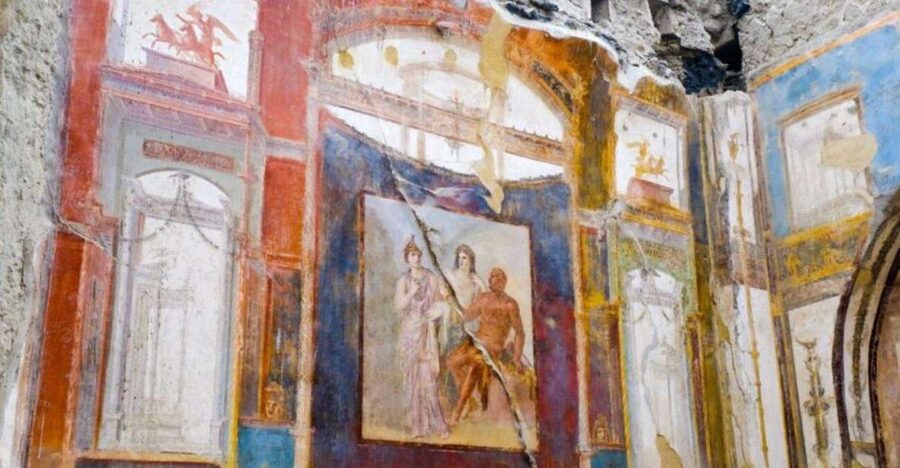
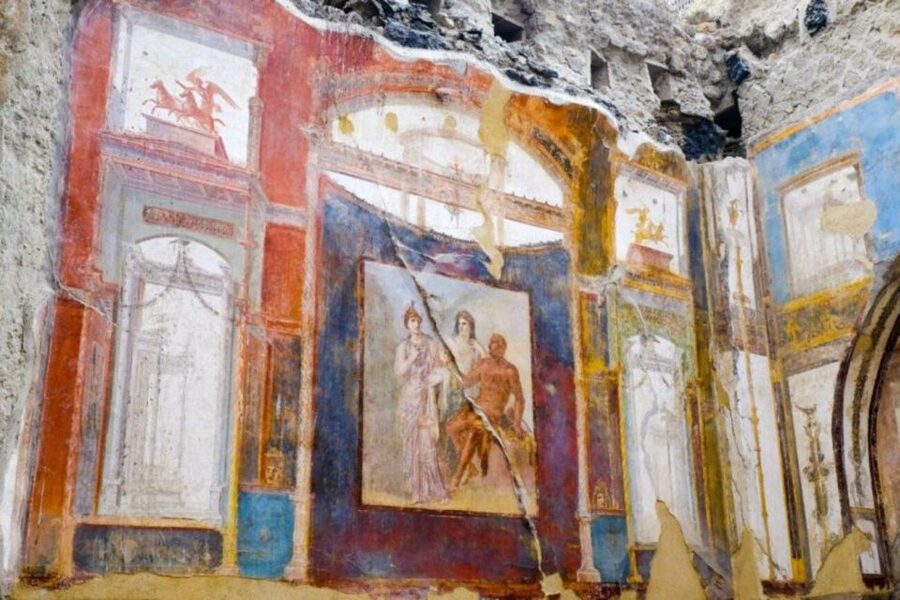
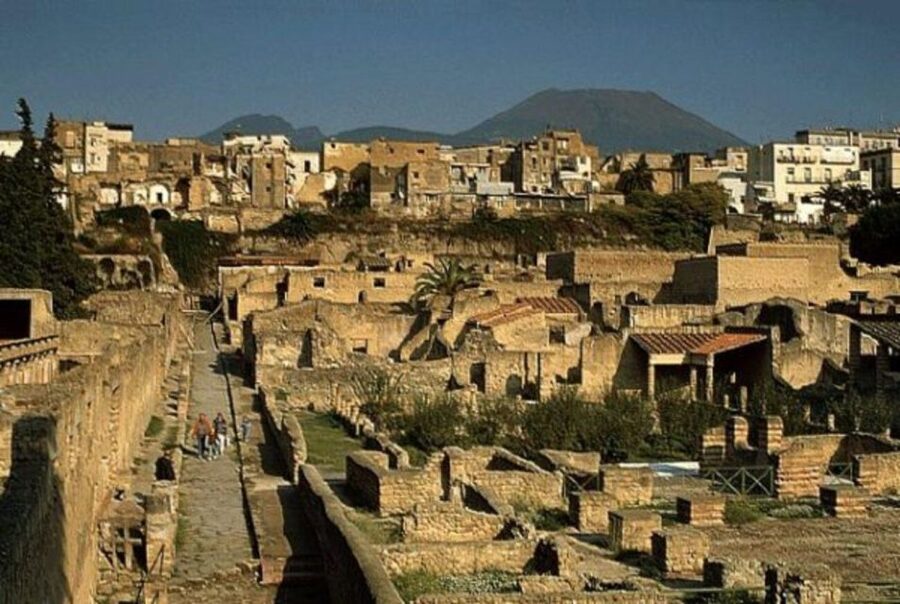
Herculaneum is one of those places that surprises you in the best way. It is smaller and more manageable than Pompeii, but the preservation can feel almost unreal, with well-kept structures and striking mosaic work that make daily life in a Roman town feel tangible. If you like your ancient history with fewer crowds and more clarity, this is a smart choice.
The big win here is control. With a self-guided plan, you are not stuck listening to someone else’s favorites. If you’re curious about streets and how people moved through town, you can follow that thread. If you want to focus on houses, villas, and decorative floors, you can do that too. It is a great fit for people who travel on limited transport windows, because you can build your visit around your actual time.
The combo format also respects how you tour. You get the admission you need, and you get the audio support to understand what you are looking at. Many sites have audio, but what matters is how usable it feels on the ground. Here, the map and numbering system is a practical help for navigating a site with a lot going on.
Getting in: picking up your ticket and audioguide at the entrance
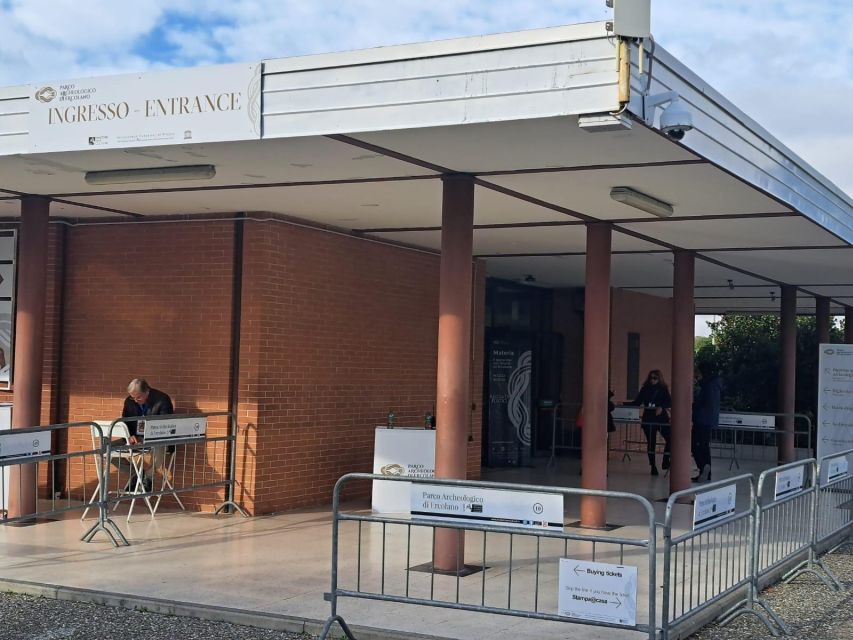
Your meeting point is straightforward. Go to the entrance and look for the Audioguide Desk. The idea is that you handle everything on-site, then start walking with your device and map.
That said, plan for two small moments of reality. First, the correct desk may not be obvious at a glance, and one person described a bit of confusion at the ticket office before they found the right place. Second, the entrance signage can be confusing, with one visitor reporting they initially went the wrong way because there were entrance signs pointing in opposite directions.
My advice: when you arrive, give yourself a couple of extra minutes to orient before you lose time in the wrong queue or direction. This is one of those sites where a tiny early reset saves stress later.
Your 3-hour self-guided flow: how to pace Herculaneum without rushing
The ticket is sold with a 3-hour duration, and you should treat that as a practical window for planning. You are self-guided, though, and you can spend as much time as you wish within opening hours. In other words, you can aim for a 2.5 to 3 hour visit if you want a full loop, but you are not forced into a strict group timeline.
I like how this setup supports different travel styles. If you’re the type who reads every interpretation panel, you’ll move slower and still stay within a reasonable visiting range. If you prefer to prioritize, you can use the audio to pick your highlights and skip the rest.
Also remember the walking context. One review noted the walk from the station to the site is about half a mile downhill. That means shoes matter, and you may want to consider your return plan too, since going back uphill can add fatigue if you overdo it.
What you will see: houses, villas, mosaics, and a town frozen by disaster
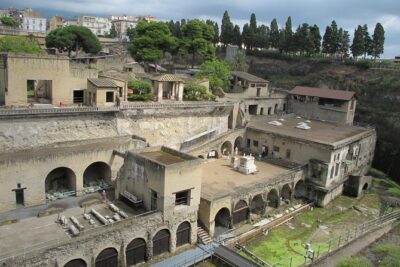
Herculaneum preserves a Roman town that was buried by the eruption of Mount Vesuvius in 79 AD. The ruins let you experience a daily-life snapshot, not just monuments. This is one reason I think the audio guide is worth it, because it turns scattered stones into a story you can follow as you walk.
As you move through the park, you should expect to encounter:
- Well-preserved houses and villas, where you can look at how space was organized.
- Streets and alleys, which help you understand the layout and movement through town.
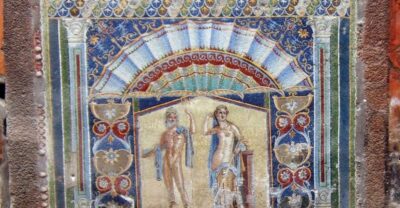
- Mosaics, which are often a standout because they show Roman design and craftsmanship up close.
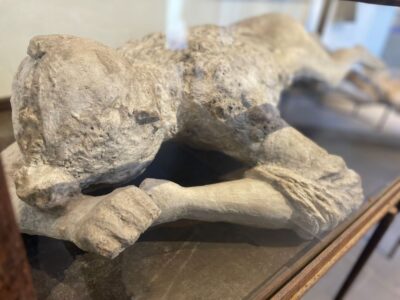
One visitor called the experience sobering for obvious reasons: the tragedy is present in front of you. It is not only historical “wow,” it is human loss made visible. If that tone affects you, plan for it. I find it helps to take short pauses and let the scale sink in instead of trying to power through.
Also, do not judge Herculaneum too quickly by comparison with Pompeii. Even people who expected to be disappointed after Pompeii reported the opposite, saying Herculaneum’s preservation and manageability made it a rewarding visit.
How the audio guide actually helps (and where it may annoy you)
This package includes an audio guide with languages in Italian, German, English, French, Spanish. You also get a map meant to be used with the narration. The practical value is that it reduces guesswork, especially in a site where it is easy to lose the storyline if you are only reading panels.
The best praise point in the feedback is how usable it felt for independent pacing. One person specifically said the audio guide helped them highlight the areas that mattered most to them, especially when their transport schedule limited their time. That is a big deal, because self-guided only works if the interpretation is strong enough to steer you.
Some extra practical notes from real experiences:
- Some visitors felt the site had very little information without audio, so the guide became essential rather than optional.
- The narration is tied to numbers on the map and references to the buildings and areas, which helps you track where you are in the story.
- Not everything is perfect. One person said the audio guide needed updates and that some of the language felt a bit high-brow or confusing.
- Audio devices can be temperamental. One visitor said their guide did not work properly, while another reported the device felt sensitive when held near the ear and could cut out if it was jostled.
Your best move: arrive early enough to pick up your device smoothly, test your setup at the start, and do not hesitate to ask for help at the desk if something feels off. You are there to enjoy the site, not wrestle the hardware.
Timing tips: when to go and how to avoid wasting minutes
You will check availability for starting times, and once you are in, the visit is designed to be flexible. Still, timing matters because Herculaneum is not a place you want to rush through and then regret.
A few real-world tips I’d use:
- Plan to start soon after you arrive. That keeps your audio flow from turning into a “start-stop” mess.
- Give yourself buffer time to find the Audioguide Desk and confirm you have the correct device and map.
- If you are visiting on a day with special rules, do a quick sanity check before you buy. One reviewer claimed the site is free on Sundays and advised buying directly from the site rather than via a third party. I cannot promise that’s universal for every date, so treat it as a flag to verify current policy before paying.
If your day is already packed, this ticket type is a good match. The site is compact, and several people suggested about 2.5 hours is enough to see a lot at a comfortable pace.
What to bring: shoes, ID, and a simple comfort plan
This is a “rain or shine” kind of site, so dress and pack for weather. Comfortable shoes are non-negotiable. Even if the park feels compact, you are walking uneven ground and spending real time looking up and around.
Bring the right ID too. A valid passport, identity card, or driving licence is required for audioguide hire. That means you should not leave your documents at your hotel.
Finally, plan your audio comfort. Hearphones are not included. If you prefer a clean, stable listen, bring your own headphones. Even if you do not, you should expect that the way you use the device can affect how clearly you hear the guide.
One more practical point: devices must be returned before office closing time. Do not run your final recording into the last minutes of the day.
Food and breaks: expect vending machines, not a full meal
Here is the practical reality check. There is no café or restaurant mentioned as available inside the park. One review complained there is nowhere to get food or drink except vending machines.
So if you plan a longer break, bring your own lunch or at least snacks and water. The site can be moving and emotional, and you will feel better if you can take a short pause without scrambling for refreshments.
Also, because there is no full dining option on-site, a self-guided visit can feel even better if you treat it like a walking picnic: wander, pause, snack, and then continue with the audio.
Price and value: is $35 fair for what you get?
At $35 per person, the best way to judge value is not just what you pay, but what you avoid. You are getting three things together:
- Skip-the-line entry
- An audio guide
- A map
For me, the value is in the interpretive support. Herculaneum can be confusing if you do not understand what you are looking at. The audio guide is the difference between seeing ruins and understanding them as a functioning town. If you plan to spend your full 2.5 to 3 hours inside, you are getting the most out of that combo.
It can be slightly less “fair” if you end up not using the audio much due to device issues or if you struggle with the setup. That risk seems real from a small number of comments, though the overall rating is still strong.
If you are going to compare, do it based on your style. If you hate guided groups and love flexible pacing, this ticket type is often worth it. If you only want a quick skim and plan to read every panel, you might question the audio spend. For most people, though, the audio is what turns Herculaneum into a complete experience.
Who this is best for, and who should think twice
This fits best if you:
- Want to explore at your own pace
- Prefer audio interpretation over live guiding
- Have limited time because of transport timing
- Like the idea of a compact site with strong preservation
It might be less ideal if you:
- Strongly prefer an included headphone setup and do not want to bring your own
- Want zero tech involved, because the device experience can be fiddly
- Get frustrated by narration that may feel a bit academic or need updates in places
If you are doing Herculaneum after Pompeii, this is a smart “second chapter” day. Several visitors suggested Herculaneum was a nice follow-up, and the manageability makes it easier to keep your attention.
Should you book this skip-the-line audioguide ticket?
I’d book this if you want a smooth start and a guided-by-audio visit you can control. The self-guided layout is a real advantage, and the pairing of entry plus audio plus map is exactly what you need to make sense of Roman streets, houses, villas, and mosaics without feeling rushed.
I would only hesitate if you know you will not use the audio guide, or if you are not comfortable bringing your own headphones and handling return requirements. If that part worries you, you can still enjoy Herculaneum, but you might get less value out of this specific combo.
If you want the simplest plan with maximum freedom, this is a solid way to do it.
FAQ
What’s included with the skip-the-line Herculaneum ticket and audio guide?
It includes an entry ticket for Herculaneum, an audioguide, and a map.
Where do I pick up the audioguide?
Go to the entrance and look for the Audioguide Desk.
How long should I plan for my visit?
The duration is listed as 3 hours. The visit is self-guided, and you can spend as much time as you wish within opening hours.
What languages are available for the audioguide?
The audioguide is available in Italian, German, English, French, and Spanish.
Are headphones included?
No. Hearphones are not included.
What ID do I need for the audioguide hire?
A valid passport, identity card, or driving licence is required.
Is the visit affected by weather?
The activity takes place rain or shine.
Can I reserve and cancel flexibly?
You can cancel up to 24 hours in advance for a full refund. You can also reserve now and pay later, meaning you book your spot and pay nothing today.
Choose the Right Entry
- Ercolano: Herculaneum Entry Ticket with Optional Audio Guide★ 4.1 · 581 reviews
- Naples: Pompeii and Herculaneum Tour with Tickets and Lunch★ 4.4 · 136 reviews
- Vesuvio Skip The Line Ticket With Digital Audioguide★ 3.2 · 91 reviews
- From Naples_ Vesuvius transfer+ticket and digital audioguide★ 3.7 · 58 reviews
- Herculaneum: 2hour Shared Guided Tour + entry tickets★ 4.3 · 38 reviews
More Tour Reviews in Ercolano
- Ercolano: Herculaneum Entry Ticket with Optional Audio Guide★ 4.1 · 581 reviews
- Naples: Pompeii and Herculaneum Tour with Tickets and Lunch★ 4.4 · 136 reviews
- Vesuvio Skip The Line Ticket With Digital Audioguide★ 3.2 · 91 reviews
- Herculaneum Archaeological Park smart Audio Tour★ 3.8 · 70 reviews
- Herculaneum: Private Walking Tour with Archeologist Guide★ 5.0 · 59 reviews
More Days in Herculaneum
- Ercolano: Herculaneum Entry Ticket with Optional Audio Guide★ 4.1 · 581 reviews
- Naples: Pompeii and Herculaneum Tour with Tickets and Lunch★ 4.4 · 136 reviews
- Herculaneum Archaeological Park smart Audio Tour★ 3.8 · 70 reviews
- Herculaneum: Private Walking Tour with Archeologist Guide★ 5.0 · 59 reviews
- Herculaneum: 2hour Shared Guided Tour + entry tickets★ 4.3 · 38 reviews
More ways into Herculaneum Tours.
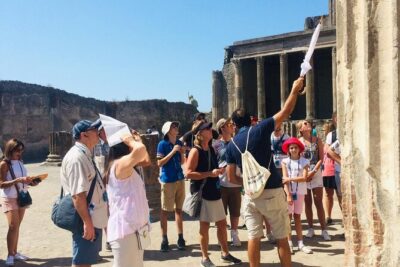 ★ 5.0Pompeii and Herculaneum Small Group Tour with an ArchaeologistFrom $771,350 reviews
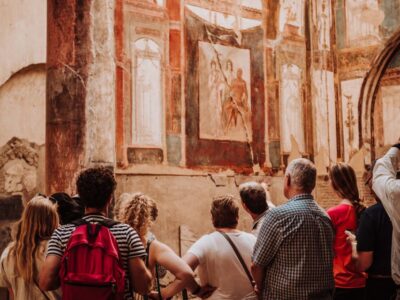 ★ 4.8Pompeii: Small-Group Tour of Pompeii and Herculaneum867 reviews
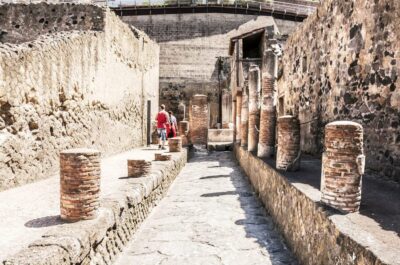 ★ 4.1Ercolano: Herculaneum Entry Ticket with Optional Audio GuideFrom $21581 reviews
 ★ 4.3Herculaneum: 3D Walking Tour with Skip-the-Line TicketFrom $45313 reviews
 ★ 4.5Guided Day Tour of Pompeii and Herculaneum with Light LunchFrom $185311 reviews
 ★ 5.0Private Day Tour to Vesuvius, Herculaneum & Pompeii with Pick UpFrom $120279 reviews
 ★ 4.0Ercolano: Herculaneum Skip-the-Line Ticket & Audio GuideFrom $35275 reviews
 ★ 5.0Pompeii and Herculaneum: Guided Tour with an ArchaeologistFrom $141164 reviews
Other useful routes from here