
REVIEW · PASTA
Amalfi: Milk the cows, Make Pasta, Mozzarella and Tiramisù!
Milk, pasta, and a view in 3 hours. This Agerola farm class is one of those Amalfi Coast experiences where you go from hand-milking to real fiordilatte mozzarella in the same morning or afternoon. I like that it is family-run, with Valentino and his family welcoming you into a centuries-old farmhouse. I also love the hands-on focus, you actually make fresh pasta, mozzarella, and tiramisù, not just watch and snack.
One consideration: transfer is not included, and reaching the panoramic farmhouse spot can mean planning for a short walk once you are there.
Key highlights worth your time
- Gigino teaches hand-milking: You learn a traditional technique before you hit the kitchen.
- Fiordilatte mozzarella in Agerola: You make a cheese linked to this area, using milk from the cows.
- Tagliatelle from scratch, Nonna Maria style: Pasta dough, shaping, and steps you can repeat at home.
- Tiramisù with a traditional method: You follow the process and end by eating what you made.
- Panoramic Amalfi Coast views near Castello Lauritano: The setting is part of the payoff.
Agerola Farm Cooking, From Hand-Milking to Tiramisù
If you like your Amalfi Coast day to feel real, not staged, this is the kind of activity that delivers. You start in the farmyard, then move indoors to make food the slow way. The pace is relaxed, but you do real work, from milking to shaping tagliatelle.
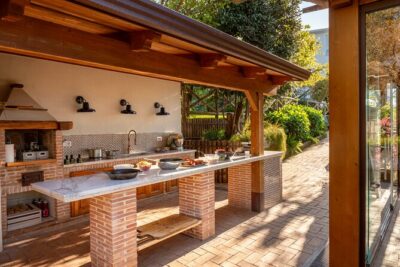
The setting helps. The farmhouse sits close to Castello Lauritano, and the view from the meeting area gives you that classic Amalfi Coast feeling where everything looks close and far at the same time. It is not just a backdrop. You feel it when you pause between steps and look out.
And the learning is practical. You do not need fancy tools. You need attention, and a willingness to get your hands involved.
Meeting Valentino and His Family in a Centuries-Old Farmhouse
Your welcome matters here. You meet Valentino and his family at their centuries-old farmhouse. The tone is warm and personal, and the idea is that you become part of the day, not a timed ticket moving through a factory line.
Before anything kitchen-related, you can taste a good house wine or choose another drink. This sets the mood, and it also gives you a short runway to settle in, ask questions, and get comfortable with the flow of the class.
Because the experience is taught in English and Italian, you can follow along even if your Italian is limited. I like that the experience is structured but not overly formal, so you can focus on learning how the food is made instead of worrying about translating every step.
Hand-Milking Cows With Gigino, a Tradition You Can Actually Understand
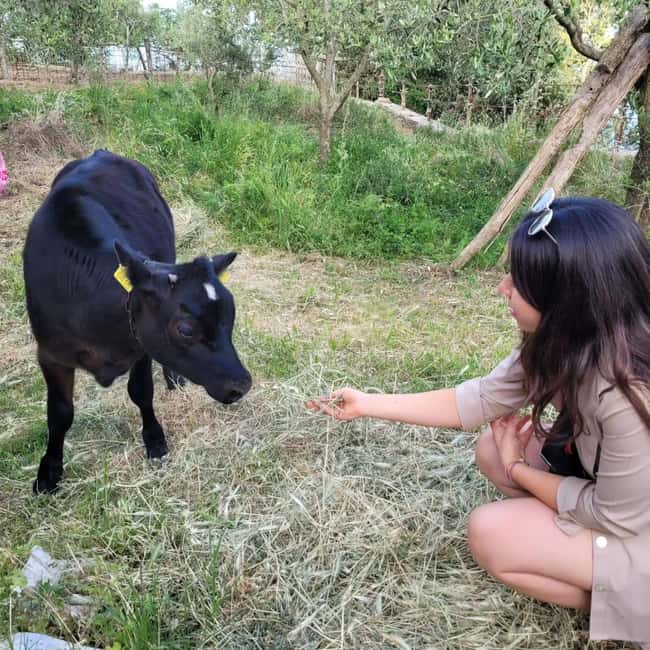
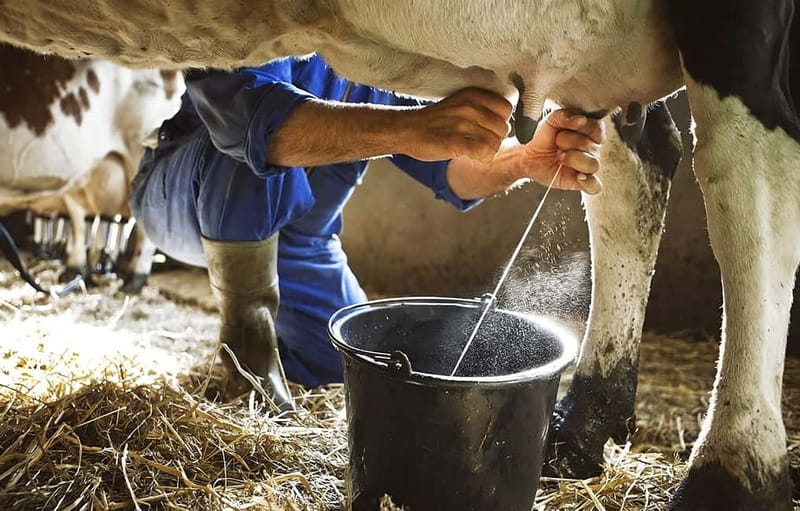
Then comes the farm work: you milk the cows by hand. The instructor for this part is Gigino, and the emphasis is on a traditional practice passed down for centuries in this place.
What makes this step valuable is that it is not just a photo moment. You learn the technique, so when you later taste the milk-based foods, it connects back to a real process. You see why small details matter, because you are literally participating in the start of the chain.
It is also a great reset from the typical Amalfi schedule. Instead of driving, beach time, and crowds, you spend real time in farm nature. You can breathe differently out there.
Practical note: plan to bring the right mindset. This is hands-on. If you are expecting a polished, low-participation activity, you might feel frustrated. If you want to understand how rural food begins, you will feel at home.
Fiordilatte Mozzarella in Agerola: From Fresh Milk to Real Cheese
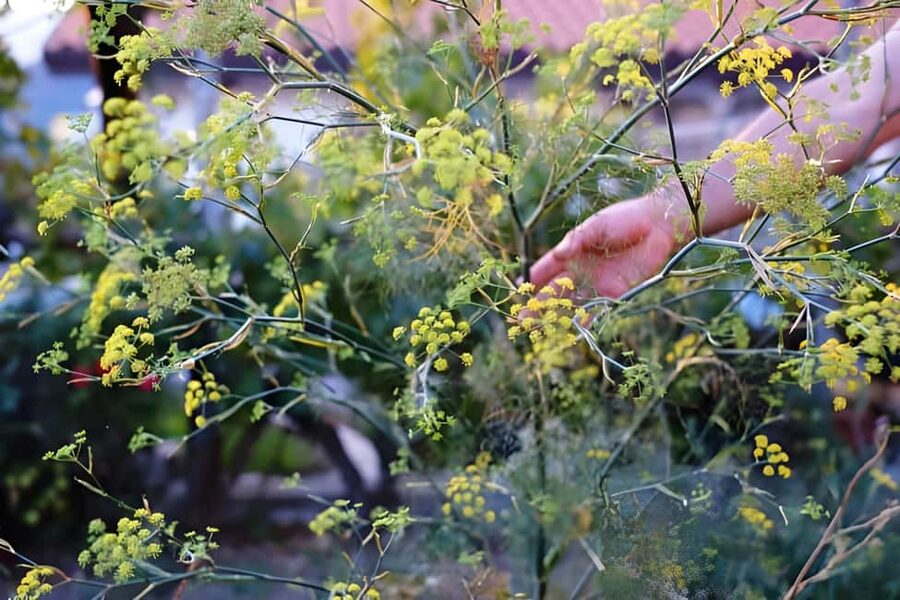
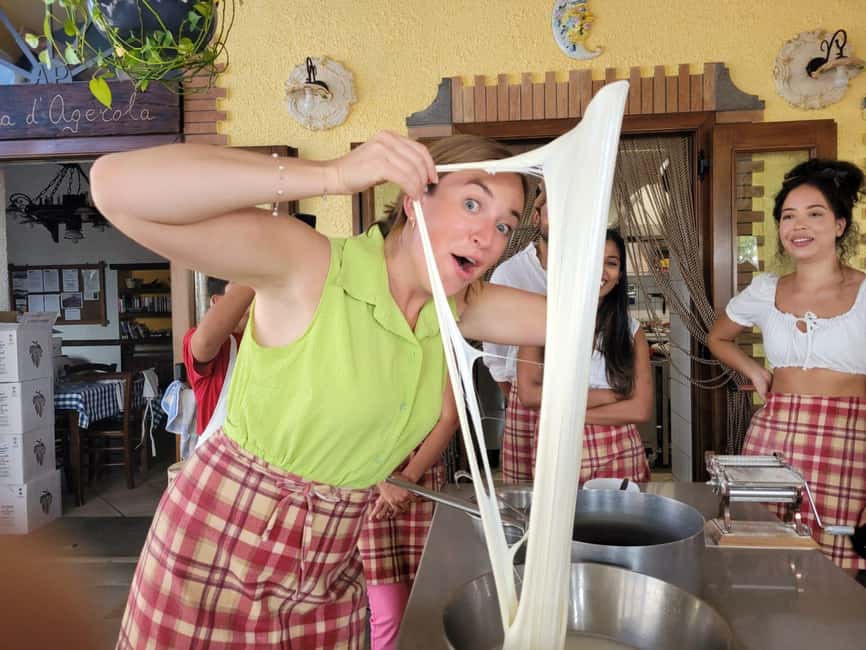
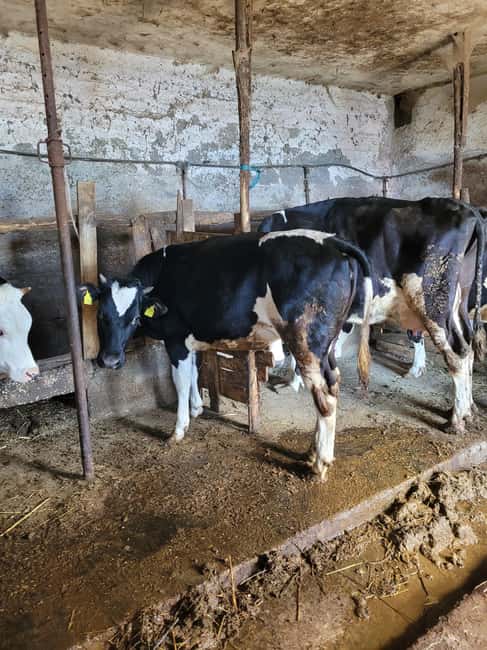
After milking, you go back to the farmhouse and start the mozzarella process. The plan is to use fresh milk from the cows you just saw. You make a specific type of mozzarella: Fiordilatte.
Here is why that matters. Fiordilatte is not treated like a generic ingredient. You are making a cheese with a local identity. The class points out that fiordilatte is known, and that the best known example is associated with Agerola, which is also described as the birthplace of fiordilatte. That context makes the cheese feel more purposeful, not just delicious.
In the kitchen, you follow the steps to create the cheese. You do not need to be a dairy expert. The value is in doing it with guidance, learning what changes as the milk becomes mozzarella.
What you end up with is something you can understand and repeat. Even if you do not want to make mozzarella every day at home, you will leave knowing what the process involves, and you will taste it differently when you compare it to store-bought versions.
Nonna Maria’s Tagliatelle: Fresh Pasta From Scratch, Not Just Assembly
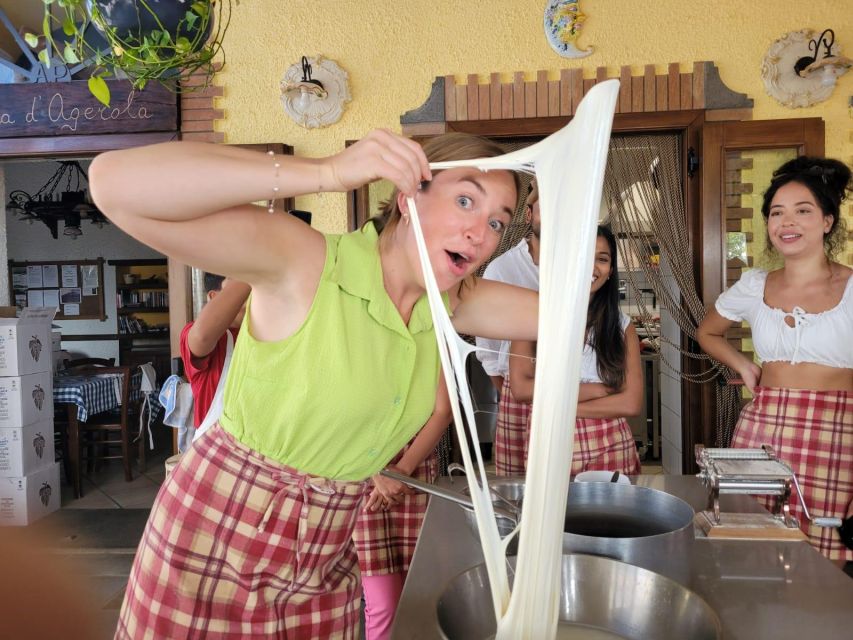
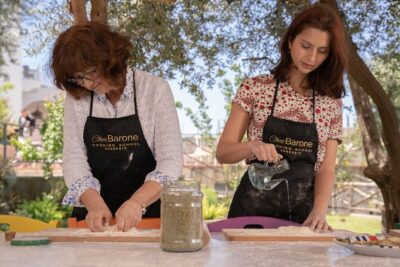
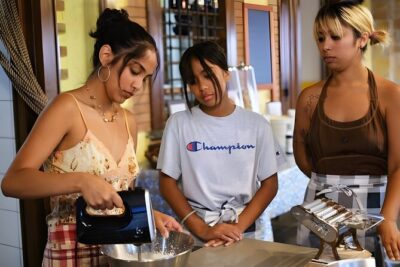
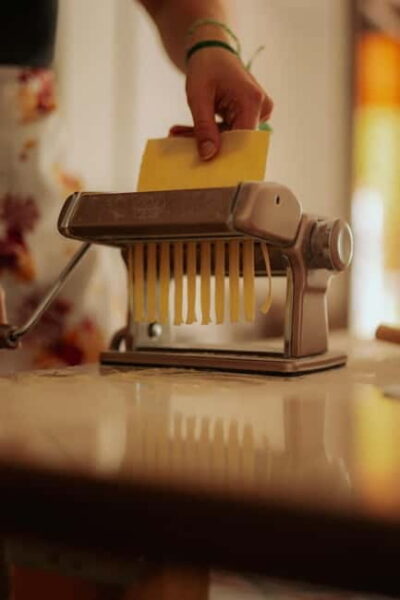
Next up: pasta. You prepare fresh pasta using recipes handed down by Nonna Maria. The featured pasta is tagliatelle, and this is where the class shifts from farm to craft.
The reason I like this step is that tagliatelle is forgiving enough to learn without being boring. You can see the transformation clearly from dough to shaped pasta, and each part has a logic: working the dough, handling it, getting the final shape right.
Also, learning pasta here feels more grounded than many cooking classes on tourist strips. You are making food that fits the rest of the meal you will eat, from milk and cheese to pasta and tiramisù. It is all tied together in one workflow.
If you like cooking at home, this is the section that gives you the most confidence. Once you understand the dough and shaping basics, you can carry the technique into your own kitchen.
Tiramisù Made the Traditional Way, Then You Eat What You Built
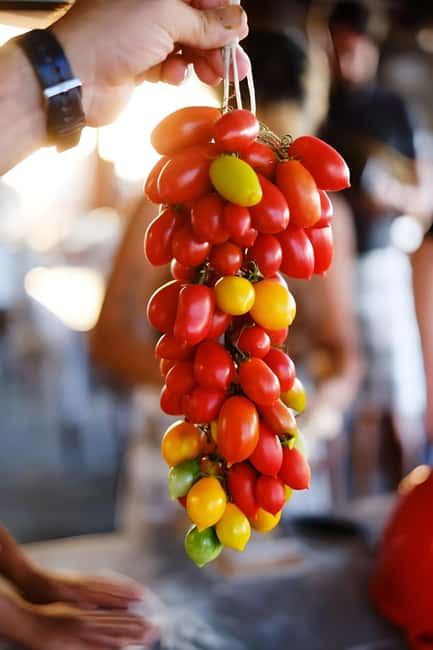
Tiramisù is last, and you make it using the traditional Italian recipe taught step by step. You get to discover the process of building a good tiramisù, rather than just assembling layers without understanding what matters.
The class structure keeps it fun, too. You are not trapped in one station. You move through steps, then you land at the table when everything is ready.
And yes, you sit down to taste what you made. The food is prepared by hand with ingredients from the farm at km0, so the meal feels like a real extension of the farm work, not a separate catered event.
This is also the moment when the value shows. You pay for a structured experience, but you leave with a full meal made from ingredients connected to the process you saw. It is harder to get that kind of connection in a typical restaurant meal.
Castello Lauritano Views and the Panoramic Pause You Should Plan For
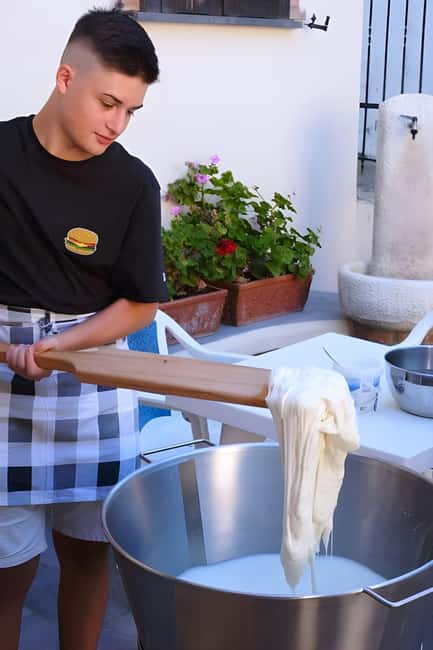
One of the highlights is the view. The farmhouse is described as a stone’s throw from Castello Lauritano, an ancient castle of the Maritime Republic of Amalfi. From the panoramic point, you get one of the most enchanting landscapes in the world, according to the experience description.
Even if you do not care about castle history, the practical side is real. You will likely have short pauses for photos and for regrouping during the class. That view makes those breaks worthwhile.
A small tip to keep things smooth: plan a little extra time for a brief walk as you arrive in the area. In practice, that short stretch can affect how relaxed you feel once you start, especially if you are also figuring out transport.
What You Actually Pay, and Why $74.28 Can Be Worth It
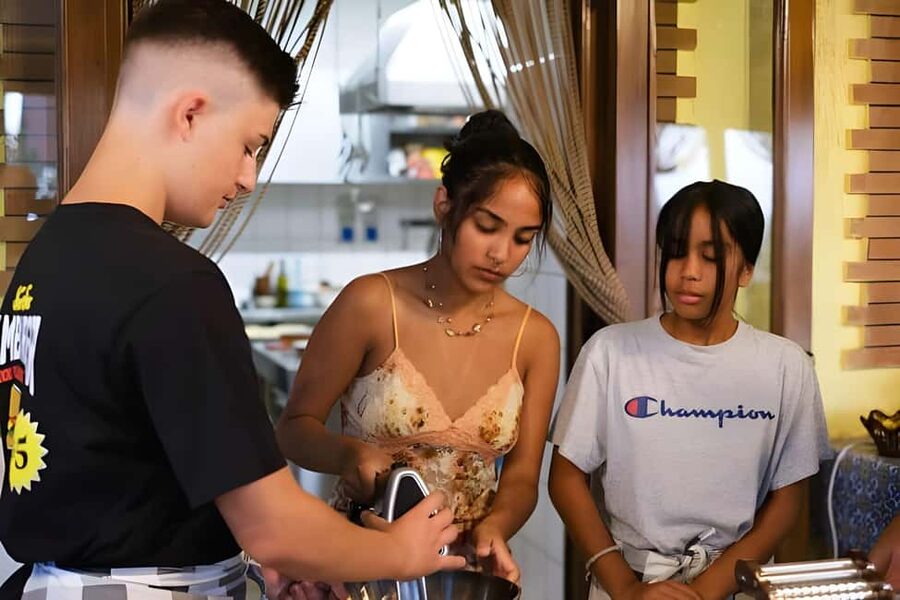
The price is $74.28 per person for a 3-hour experience. That is not a budget-cooking-class price, but it is also not a fine-dining splurge. The value comes from the full set of activities packed into one morning or afternoon.
You are getting:
- A farm tour
- Hand-milking with guidance
- Mozzarella making
- Fresh pasta making (tagliatelle)
- Tiramisù making
- Drinks
- Lunch or dinner
- Cooking equipment
For a reader trying to choose between similar Amalfi experiences, the key is this: you are not just eating. You are participating in multiple stages of food production. If your goal is to learn, this format makes sense.
Just remember what is not included. Transfer is not included. That affects your real cost, because you may need taxi or other local transport to get to the farmhouse area.
Logistics That Matter: Timing, Language, and Group Size
Duration is 3 hours, with starting times that vary, so you need to check availability for when your session begins. Instruction is available in English and Italian, and private group options are available.
Group type matters because it changes how much guidance you get. Private groups can feel more relaxed and give you more time to ask questions. If you travel with friends or family and want a slower, more personal pace, the private option is a strong fit.
Also consider comfort. This is a farmhouse and an outdoor farm component. Wear shoes that can handle uneven ground, and expect hands-on work.
Who This 3-Hour Class Is Best For
I think this class is a great match if you want the Amalfi Coast to feel like local life, not just scenery.
You will likely enjoy it if:
- You love hands-on learning and cooking
- You want a farm-to-table experience tied directly to what you eat
- You are curious about mozzarella culture, especially Fiordilatte and Agerola
- You like recipes you can reproduce later, especially tagliatelle basics
- You want a day that is calmer than the busiest beach and boat routes
If you only want a light tasting with minimal participation, the milking and cooking workload may feel like too much. But if you enjoy rolling up your sleeves, this experience is built for you.
One Thing to Confirm Before You Go
The class description promises both the farm tour and hand-milking as part of the experience flow. Because rural experiences can vary by day and timing, I recommend confirming directly with the provider for your specific start time that your schedule includes the farm tour and the full milking portion you want.
It is a quick check that protects your expectations, especially if this is the main reason you booked.
Should You Book This Amalfi Farm Class?
Book it if you want three hours on the Amalfi Coast that are practical, hands-on, and tied to real local ingredients. The combination of hand-milking, Fiordilatte mozzarella, Nonna Maria’s tagliatelle, and traditional tiramisù is a rare mix, and the panoramic setting near Castello Lauritano makes it feel like a special day.
Skip it or rethink it if you hate farm activities, you want zero mess or zero physical involvement, or you are relying on included transport. Since transfer is not included, plan how you will get there so you do not turn the day into a logistics headache.
If your travel style is curiosity plus good food, this is an easy yes.
FAQ
What is the duration of the Amalfi farm cooking class?
It lasts 3 hours. You can check availability to see the starting times for your date.
What do I make during the class?
You make mozzarella (Fiordilatte), fresh pasta (tagliatelle), and tiramisù, plus you take part in a farm tour and hand-milking.
Is transfer included?
No. Transfer (taxi, bus, and similar options) is not included.
Are drinks included?
Yes. You can taste a house wine or other drinks of your choice, and drinks are included in the experience.
What languages are the lessons taught in?
The instructor offers the class in English and Italian.
Can I book a private group?
Yes. Private group availability is offered.
What is included in the price?
The included items are an Amalfitan chef, cooking class, drinks, farm tour, cooking equipment, and lunch or dinner.
More Tour Reviews in Furore
- Amalfi Coast: Scenic Boat Private Tour with Aperitif★ 5.0 · 16 reviews
- Furore: Flight of the Angel Zipline Experience★ 4.5 · 15 reviews
- Amalfi Coast Shared Sunset Cruise: Swim, Drinks & Views★ 4.9 · 15 reviews
- ***AMALFI COAST: WONDERFUL AND LUXURY TOUR ***★ 4.7 · 6 reviews
- Cooking class: How to make Ravioli, Tagliatelle & Tiramisù!★ 5.0 · 3 reviews
More ways into Pasta.
 ★ 4.8Pasta and Tiramisu Cooking Class with Wine597 reviews
 ★ 5.0Cooking class with Pasta, mozzarella and Tiramisu with wineFrom $72549 reviews
 ★ 5.0Pasta & Traditional Sorrento Cuisine with Pickup – 100% Hands OnFrom $181393 reviews
 ★ 5.0Pasta and Pizza Master Class with Pick Up in SorrentoFrom $181380 reviews
 ★ 5.0Amalfi: Prepare fresh pasta, mozzarella and tiramisuFrom $78315 reviews
 ★ 5.0Amalfi: Cooking Class with Pasta, Mozzarella, and TiramisùFrom $66202 reviews
 ★ 5.0Authentic Pasta & Pizza Cooking Class with Sorrento Coast PickupFrom $157175 reviews
 ★ 4.5Pasta and Tiramisu Cooking Class with Lunch and WineFrom $107165 reviews
Other useful routes from here