
REVIEW · SORRENTO PENINSULA & NERANO TOURS
Piano di Sorrento: Cooking Class with Food Tasting and Wine
Handmade pasta starts in a citrus grove. In this Piano di Sorrento, Campania class, you love the farm-to-plate start, especially when you pick produce like Sorrento tomatoes right from the grounds. I also like the small-group feel, where an Italian, English instructor can actually slow down and explain as you work.
I love the payoff: you eat what you make under citrus trees with homemade limoncello and local wine, which turns cooking into a full meal experience. One consideration: this is a hands-on, food-forward 3 hours, so if you want a light snack and lots of sightseeing time, this may feel like too much doing and not enough wandering.
Key things to know before you go
- Farm tour and picking your ingredients on site, including seasonal produce like eggplant, zucchini, and apricots
- Handmade pasta instruction plus sauce made from vegetables you selected
- Welcome drink and bruschetta right when you arrive at the villa entrance
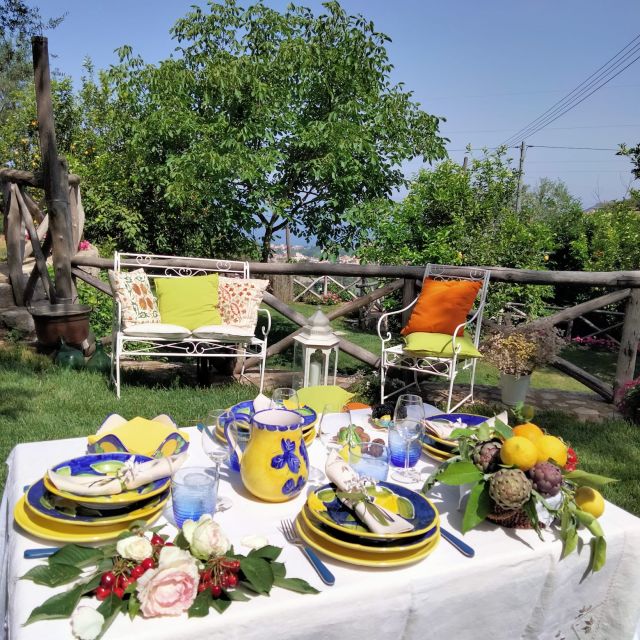
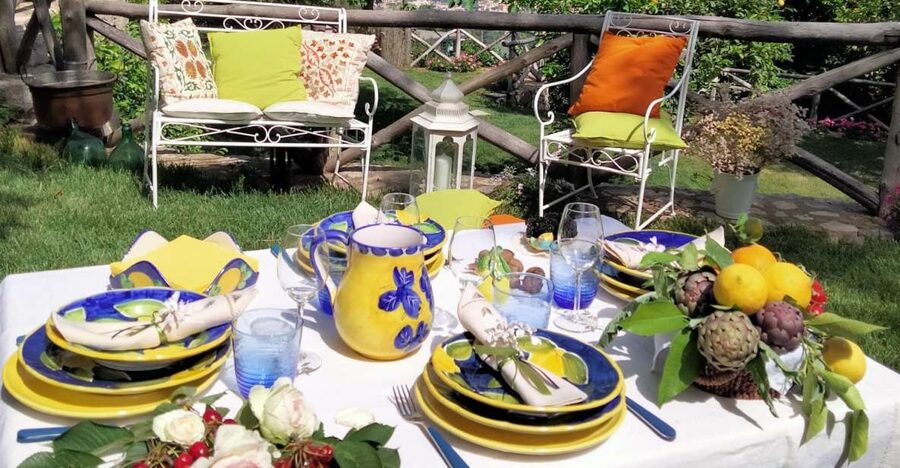
- Eat outdoors under citrus trees with wine and homemade limoncello
- Small group size (max 6) for a more personal pace and clearer instruction
- Warm family-style hospitality is a recurring theme, with hosts named Maria, Lena, and Lea appearing in past sessions
A Piano di Sorrento cooking class built around the farm
The Amalfi Coast area gets hyped hard. This is the kind of experience that gives you a different angle: not just views, but food that starts where it grows. In Piano di Sorrento, you spend your time at a citrus grove and family farm, so the day has a calm rhythm. You arrive, taste something, walk the property, then cook, then sit down to eat outdoors.
What I like best is that the class is not only about recipes. It is about small decisions. You choose ingredients. You learn how those seasonal flavors become pasta sauce. Then you taste the end result in the setting where the produce came from. If you care about real local cooking, this approach makes it make sense.
Also, the small group size matters. With up to six participants, you are less likely to feel rushed. It is easier to ask a question in the moment, whether you are using Italian or English with your instructor.
From the villa entrance to welcome bruschetta and a drink
Your day starts by meeting your instructor at the villa entrance. The first thing you get is a welcome drink, plus appetizers. The appetizer that stands out is bruschetta topped with olive oil, which is a simple move done correctly.
This first stretch is practical. It helps you get your bearings fast, and it gives you a taste of what fresh olive oil and bread should actually feel like before you start cooking. A few past sessions also mention coffee, iced tea, and biscuits, which fits the vibe of arriving at someone’s home rather than walking into a factory-like cooking studio.
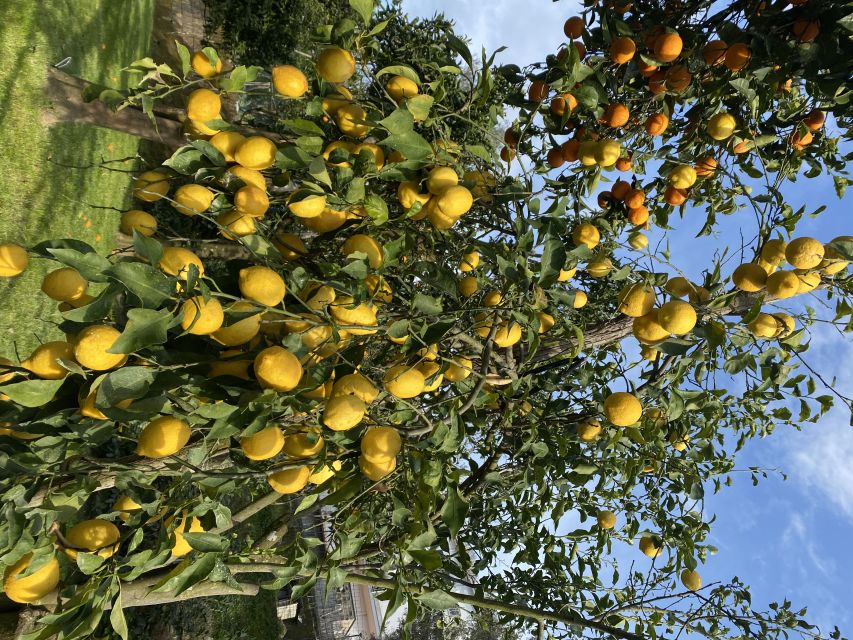
Then you head into the property. Expect a guided tour of the grounds where you will see the citrus grove and other working parts of the farm. If you are the type who likes to understand where ingredients come from, this tour is not filler. It sets up the rest of the class, because the food you pick will become part of the meal you sit down to eat later.
Quick note for comfort: the experience is outdoors for chunks of time, so wear shoes that handle uneven ground. You also might end up spending time close to garden areas, so long sleeves are a smart choice if you get bothered by sun or insects.
Picking produce from the garden, then cooking with it
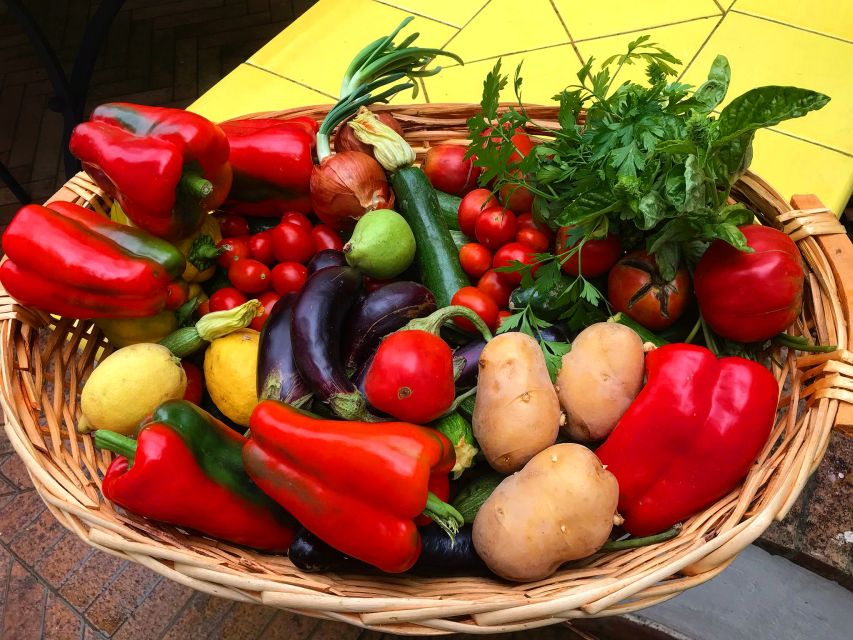
After the welcome, you tour the picturesque grounds and then do the part that makes this class feel real: you pick your ingredients. The produce listed includes Sorrento tomatoes, eggplants, zucchini, and apricots. That means your lunch is built around what is in season, not around a pre-packaged “class menu” feel.
This is a great way to learn Italian cooking principles without needing fancy equipment. You see what is available, then you make choices based on freshness. When you pick a tomato, you understand why the sauce tastes the way it does. When you choose zucchini or eggplant, you start thinking about how you will treat it: how long to cook, how to season, and how to balance it in a meal.
Many sessions are described as using vegetables from the garden to make a sauce alongside handmade pasta. In other words, you are not just decorating food. You are building the core flavors yourself.
If you have dietary limits, this is the time to ask questions early. The class is designed around traditional recipes and seasonal produce, and it does include wine with the meal. The data does not specify accommodations beyond what the instructor offers, so it is worth checking what options exist for you before you commit.
Handmade pasta and seasonal vegetable sauce instruction
Now comes the main work: the cooking area lesson. The chef teaches you how to prepare traditional handmade pasta and a sauce made from seasonal vegetables you picked. This is where the hands-on part becomes the highlight.
In a lot of classes, you watch, you chop a little, then someone else handles the real work. Here, the structure is described as a true teaching format, where you do the steps with guidance. Past sessions include learning pasta plus items like bruschetta and sides, so you may end up with more than one component depending on the day’s menu.
What makes this useful for you is that you learn techniques you can repeat at home. Handmade pasta is not just a novelty. Once you understand how the dough comes together and how sauce should taste when made from real vegetables, you will approach Italian cooking differently back in your own kitchen.
Even if you feel nervous about cooking skills, the small group size helps. You can get clarity without feeling embarrassed. Several session notes mention accommodating, encouraging hosts and clear instruction. That matters because pasta work requires confidence, not perfection.
What you are likely to make
Based on the described flow, you can expect:
- Handmade pasta (with instructor-led guidance)
- A sauce built from the vegetables you picked
- Bruschetta as part of the start and sometimes as part of the cooking you do
- Additional side dishes in some sessions, such as simple vegetable plates
Eating under citrus trees with wine and limoncello
Then you get to stop working and start eating. After your meal prep, you relax under the citrus trees. This is one of those details that sounds romantic in a brochure, but in practice it is practical too. You are fed outdoors, in a relaxed setting, with the day’s flavors still warm and fresh.
Your meal includes what you prepared, and the experience includes wine. People also mention homemade limoncello as a finishing touch. Even if you do not drink much, the limoncello is an easy cultural cue: it is the kind of local specialty that makes the meal feel tied to place.
What I like about the dining portion is pacing. You are not rushed into eating cold appetizers while someone talks over you. You cook, then you sit down. It feels like the meal part was designed as part of the class, not an extra you have to fit in.
Also, you will likely leave full. The class format includes appetizers and a meal, and multiple session notes describe generous portions and extra dishes prepared by the hosts. That combination is part of the value here, because you are paying for an experience plus a substantial lunch, not just a single plate.
One more thing: the experience language is Italian and English. If you prefer to follow instructions in English, that is supported. If you are learning Italian, this could be a friendly environment to pick up a few food words while you cook.
Price and value: what $135.94 buys you in the real world

At $135.94 per person for about 3 hours, you might wonder if it is worth it. Here is how I’d think about value.
You are paying for:
- A farm-based guided tour with ingredient picking
- Instructor-led hands-on cooking (not just a demo)
- A meal that includes wine
- Welcome drink and appetizers
In many destinations, a decent dinner plus a separate paid experience can easily add up fast. This bundles the meal and the cooking instruction into one block of time, and it includes ingredients that are farm-grown and seasonal. That is the core economic logic of this kind of class: you are not just buying food, you are buying access, time, and learning.
The small group size (max 6) also protects the value. With smaller groups, the teaching time per person is higher, and you are more likely to actually practice steps rather than just watch.
So if you want hands-on food learning in Campania, this price is reasonable for what you get. If you mainly want scenic stops with minimal effort, it might feel pricey because it is not a quick tasting walk. It is a real cooking day.
Practical tips to get the most from your 3 hours
Keep the day simple and you will enjoy it more.
- Come hungry. You start with welcome drinks and appetizers, then cook, then eat a full meal.
- Wear grippy shoes. Farm paths and outdoor sitting areas may not be smooth.
- Expect flour and vegetable mess. Cooking is part of the fun, so bring a cheerful attitude.
- Ask for pacing. If you are slower, tell the instructor so you can keep up without rushing.
- Plan around the wine. Wine is included, and limoncello may be offered, so keep that in mind for how you handle transport afterward.
- Use the language options. The instruction is in Italian and English, so if you want English explanations, ask early.
If you are traveling with someone new to cooking, this class is a good match because it is structured, guided, and hosted by people who tend to be welcoming. Several session notes highlight hosts who treat participants like family, with a warm, comfortable tone.
Who should book this Piano di Sorrento cooking class?
This experience is best for people who:
- Love Italian food and want to cook the basics the right way
- Enjoy local produce and want to taste vegetables at their peak
- Prefer small-group instruction over crowded “watch and eat” tours
- Want an Amalfi Coast day that is about food culture, not just sightseeing
It may not be ideal for people who:
- Want a primarily sightseeing-focused half day
- Are not comfortable with hands-on cooking
- Need a specific non-wine meal setup and want details beyond what is stated
Also, the tour is wheelchair accessible. That can make a big difference for mobility needs, and it is good to see it explicitly called out.
Should you book Orto a tavola in Piano di Sorrento?
I would book it if you want a memorable, tasty day that actually teaches you something. The strongest reason is the combination: pick seasonal ingredients on the farm, make handmade pasta, then eat under citrus trees with wine and homemade limoncello.
If you are on the fence, use this quick test. If you would enjoy a lunch where your effort directly shapes the flavor, you will likely love it. If you mainly want passive sightseeing, you might feel stuck in “cooking mode” for 3 hours.
One last nudge: read the day as food-first, not sight-first. You are choosing a place and a family-style table, and you are showing up to learn and eat like you belong.
FAQ
How long is the Piano di Sorrento cooking class?
The experience lasts about 3 hours, though starting times depend on availability.
Where do I meet the instructor?
You meet your instructor at the villa entrance, and the activity ends back at the meeting point.
How big is the group?
This is a small group, limited to 6 participants.
What languages are used during instruction?
Instruction is offered in Italian and English.
What is included in the price?
The class includes a welcome drink, appetizers, the cooking class with an instructor, the meal, and wine.
Do you eat what you cook?
Yes. You cook the dishes as part of the class, then you eat the meal afterward.
Is wine and limoncello included?
Wine is included. Homemade limoncello is described as part of the experience after the meal.
Is the experience wheelchair accessible?
Yes, it is listed as wheelchair accessible.
Can I get a refund if plans change?
Free cancellation is available up to 24 hours in advance for a full refund.
What is the booking payment option?
Reserve now and pay later is available, so you can book your spot and pay nothing today.
More to Taste around Piano Di Sorrento
- Sorrento: Lemon Picking & Tasting Tour★ 4.8 · 42 reviews
More Tour Reviews in Piano Di Sorrento
- Sorrento: Lemon Picking & Tasting Tour★ 4.8 · 42 reviews
- Sorrento: Authentic Lemon Experience in a Farm with Tastings★ 4.9 · 17 reviews
- Amalfi coast: E-bike tour from Sorrento to Positano★ 4.9 · 12 reviews
More ways into Sorrento Peninsula & Nerano Tours.
 ★ 4.6From Sorrento/Nerano: Amalfi and Positano Boat TourFrom $702,440 reviews
 ★ 4.7From Pompeii/Castellammare/Vico Equense: Capri Day CruiseFrom $87478 reviews
 ★ 4.5From Sorrento/Nerano:Capri Shared Tour (9:15am Boat Departure)From $90448 reviews
 ★ 4.6From Sorrento/Nerano: Capri Island Cruise with Guide OnboardFrom $75439 reviews
 ★ 4.5From Sorrento/Nerano:Amalfi Shared Tour (9:00am or 11:15am )From $84333 reviews
 ★ 5.0E-Bike Food and Wine Tour in the Sorrento PeninsulaFrom $131271 reviews
 ★ 4.4From Pompeii/Vico Equense: Amalfi, Positano, & Ravello TourFrom $105133 reviews
 ★ 5.0Mozzarella Experience with Tasting in Vico EquenseFrom $102104 reviews
Other useful routes from here