
REVIEW · COOKING CLASSES
Cooking lesson: tagliatelle, mozzarella and tiramisu
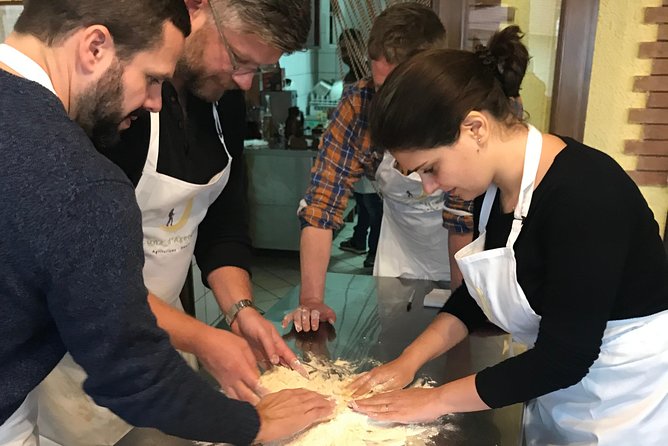
Three dishes, one farm, serious payoff. You get a hands-on cooking lesson on the Amalfi Coast, where fresh pasta, mozzarella, and tiramisu are made step-by-step, not just watched. I especially like the chance to work with the food yourself and learn what makes each part tick, plus the homemade limoncello farewell. One possible drawback: it is a short 3-hour experience, so the scenery and farm time are fun, but you will not get an all-day tour of the area.
This lesson is based in Agerola, near Positano, and it is offered in English with a maximum of 40 people, so it stays friendly. You start at Luna D’Agerola (Via Radicosa, 42, Agerola) and end back at the same place, with a small scenic stop after the meal.
Key things to know before you go
- Hands-on pasta making: you prepare the dough, cook the pasta, then sit down to eat what you made
- Mozzarella from very fresh milk: classes include making mozzarella balls, and in past sessions the milk came from a cow under a day old
- Tiramisu first: the class typically starts with tiramisu before moving on to cheese and pasta
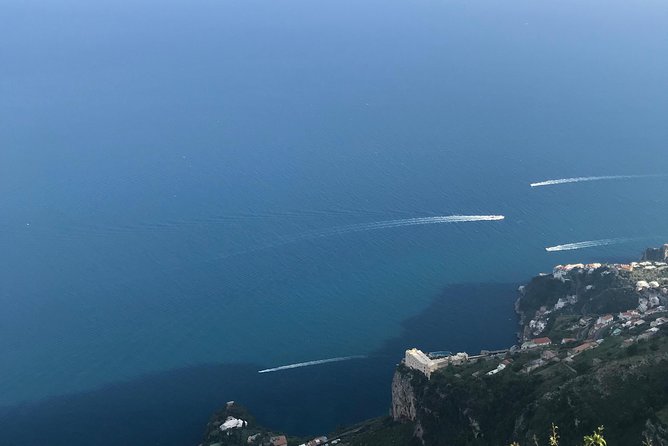
- A short Amalfi Coast excursion: after eating, you get a brief visit to a top view spot
- Farm tour with real animals: you can see the cow and pigs and ask questions about how things work
- Limoncello at the end: you finish with homemade limoncello, and you might even get a limoncello spritz during a break
Agerola to the Amalfi Coast, and why the location matters
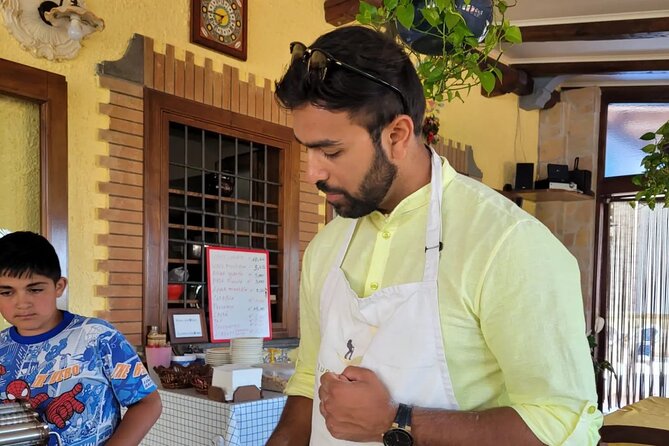
This cooking lesson is in Agerola, not in the crowded center of Positano. That matters because it feels more like a working farm and food spot than a scripted tourist kitchen. You meet at Luna D’Agerola, and from there the experience follows a clear rhythm: make, cook, eat, then enjoy a quick sightseeing moment.
Agerola also gives you a better chance at “real view” time. One of the best parts is the way the day naturally points toward the Amalfi Coast. Even though the lesson itself is food-focused, you still get that postcard energy, and later you get a farm viewpoint where you can look out toward Amalfi.
This is not the kind of outing where you hop all over town. It is compact by design, which can be a plus if you want something memorable without losing your whole afternoon to transit. The downside is the time is tight, so if your main goal is long sightseeing, plan another separate activity for that.
With a maximum of 40 people and English instruction, you should expect a group that is big enough for a lively atmosphere but small enough to keep the host comfortable answering questions.
From tiramisu to mozzarella balls: what your hands will do
The lesson typically starts with tiramisu. That is a smart choice for people who want quick confidence early, because you can learn how the components come together and then move on without feeling like you are still warming up.
After the tiramisu, you shift to mozzarella. You will make mozzarella balls, and the wow factor is the freshness. In past sessions, the milk used for the mozzarella came from a cow less than one day ago. Even if you do not focus on the timeline, you will feel the difference once you work with the cheese and see how it changes during preparation.
Hosts tend to explain ingredients and technique in plain language, with humor and patience. If you are lucky, you might meet Giovanni, who has been an instructor in earlier classes and added a personal, lively feel to the session. In other sessions, Valentino has been the host who kept things calm and supportive when people arrived a bit late.
This part of the class is valuable because it connects two things people often keep separate. Most tourists think of mozzarella as either store-bought or restaurant food. Here, you learn it as a process, with steps you physically do, so you can taste with context later.
And yes, there are breaks. If the group needs a moment, you may find the host thinks ahead, offering coffee and water, and in at least one case making limoncello spritz during a pause. That kind of rhythm helps you stay focused instead of just surviving a cooking crash course.
Fresh pasta in action: tagliatelle, shaping, sauces, then cooking
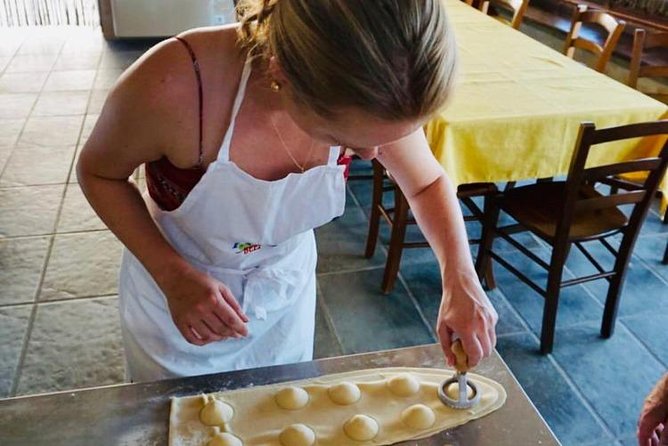
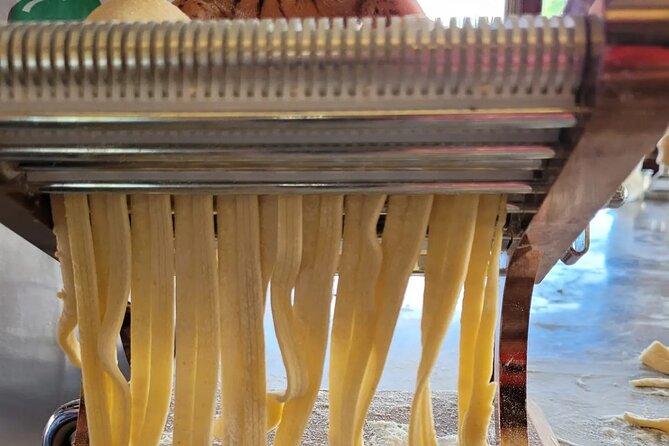
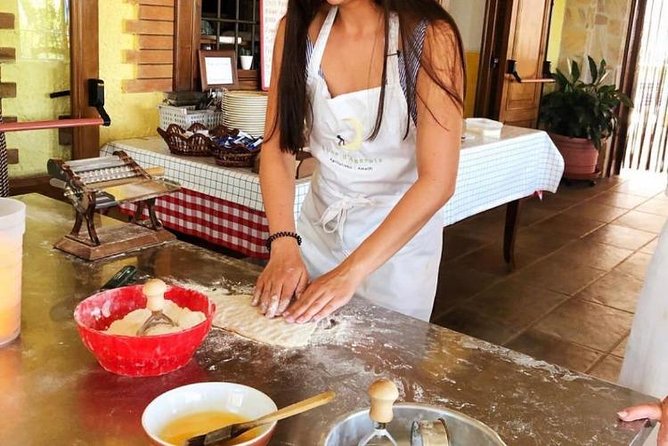
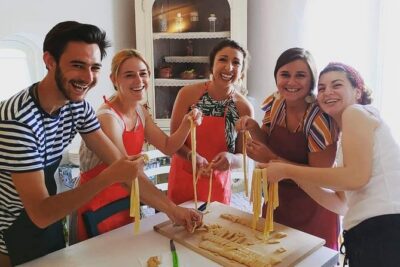
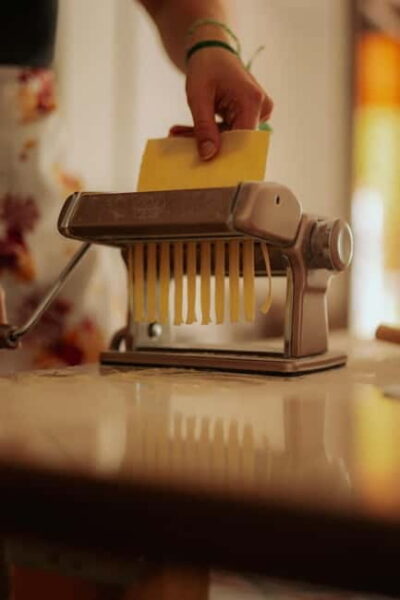
Fresh pasta is the centerpiece here, and the class makes it practical. You do not just learn theory. You prepare the pasta, work on the shapes, and then you cook it. After that, you taste what you made, so nothing stays abstract.
Your menu includes tagliatelle, and the class format also includes other pasta types you may make, such as ravioli and fettuccine. The key point for you is not which noodle you get, it is that you learn the same core skills: dough handling, shaping, and understanding why fresh pasta cooks differently than dried.
The day also covers sauces for condiments. That is important because in Italy, pasta is not only noodles. It is the partnership between pasta texture and sauce style. When the host talks through ingredients and the preparation process, you get better at thinking like a cook, not just copying a recipe.
Once the pasta is cooked, the experience turns from “learning” to “eating with purpose.” You will taste everything you prepared, which helps you connect what you did with what you got. If you have ever made something once and never understood why it worked, this is the opposite. You get feedback from the plate immediately.
One more detail that makes a difference: the pace is adjusted to the group. With a small group size, hosts can slow down for questions, speed up when you are ready, and keep the class fun instead of rushed.
The meal and tasting: why you remember food more than facts
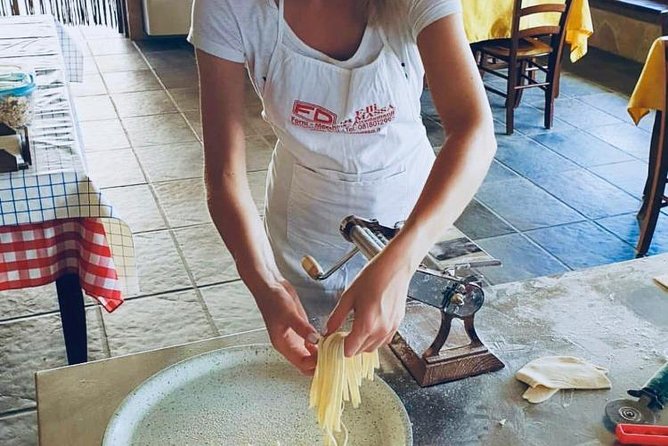
Cooking lessons can be a mixed bag. Some feel like a demo with a short “try this” moment, and you leave with a plate and no real understanding. This one leans the other way. You participate through multiple stages, and the tasting is part of the learning loop.
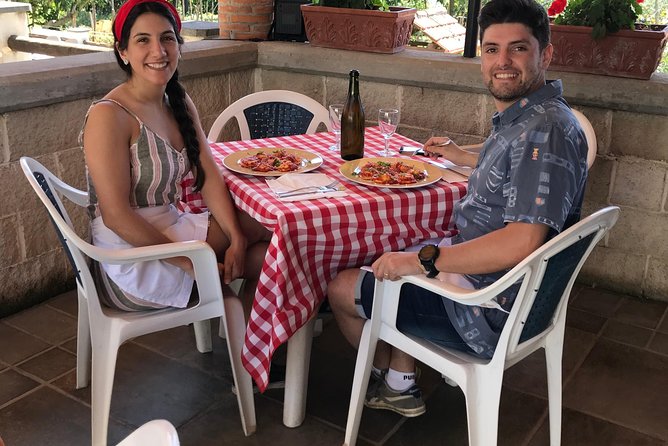
After pasta, cheese, and tiramisu are prepared, you sit down to eat. That simple structure does two things for you. First, it gives you time to actually enjoy the meal rather than feeling like you are racing from station to station. Second, it turns the host’s explanations into something you can test in your mouth.
In past classes, hosts served coffee and water during the process, which helps if you are doing this on a warm day or you are hungry after a morning of walking. It also makes the lesson feel like a real family meal setting, not just a classroom.
Here is what I think you will like most about this tasting phase: you are eating food made with your own hands, and that makes it hard to forget. You are also tasting mozzarella and pasta that came from fresh preparation, so even if you already love Italian food, you get a clear reminder of what fresh ingredients can do.
And because the hosts answer questions about ingredients and preparation, you can leave with practical knowledge you might actually use back home. It is not just a souvenir moment. It is a food skill and a way of thinking.
The short excursion, the farm tour, and the view toward Amalfi
After you eat, you get a brief 10-minute excursion. It is short on purpose, so you can take it in without losing the relaxed pace of the cooking portion.
Then you transition into a farm tour. You see the animals, including a cow and pigs, and you can ask more questions. If you like your food travel grounded in where ingredients come from, this part matters. It turns your meal into something with a backstory you can see.
You also get fantastic views of Amalfi from the farm. This is not a “ride past the scenery” situation. It is a moment where you stand in a place that looks out over the coast, and the view becomes part of the day instead of a background detail.
Finally, you wrap up with homemade limoncello. In at least one past session, the host also worked limoncello spritz into a break, which shows how the finishing touches are part of the hospitality. That clean citrus finish is a great way to end, especially after rich pasta and cheese.
Overall, the pacing makes sense for people who want both food and place. You leave with a meal story, an animal story, and a view story.
Price and value: what $84.29 buys you in real terms
At $84.29 per person for about 3 hours, this lesson is not a cheap snack class. But it also is not overpriced in a way that feels disconnected from what you get.
Here is what you are paying for, in plain value terms:
- A hands-on cooking lesson with fresh pasta and cheese preparation
- Making multiple dishes, including tagliatelle, mozzarella (like mozzarella balls), and tiramisu
- Cooking and tasting the food you make
- A farm visit with animals and an Amalfi Coast viewpoint
- A homemade limoncello finish
- English instruction, plus a group size capped at 40
If you have ever bought ingredients and tried to teach yourself fresh pasta at home, you know the time cost alone is huge. With this experience, you pay for instruction, tools, ingredients, and the meal outcome, all in one package.
You also pay for the human part. The hosts are clearly focused on making people comfortable and engaged. Giovanni has been described as charming and warm, and Valentino has been described as understanding, especially when people arrive late. That matters, because a calm host can turn a beginner-friendly class into a genuinely enjoyable one.
Timing is another part of value. On average, this is booked about 91 days in advance, which suggests demand is steady. If you wait until the last minute, you might lose your slot.
Who this class is perfect for, and who should choose something else
This experience fits you best if:
- You love hands-on food learning more than just eating
- You want fresh pasta skills, not a lecture
- You enjoy meals that include a clear local connection to farming and ingredients
- You like group activities but still want questions answered and a relaxed pace
It is also a nice choice for people who want a break from heavy walking. The day is food centered, and while there is a short excursion and some farm touring, it is not a long day of constant movement.
It might be less ideal if you are chasing a full-day sightseeing schedule. The cooking time plus eating means the excursion is brief. You will see the key moments, but you will not have hours and hours of coastline wandering.
Booking tips that make the day smoother
This one runs about 3 hours, so plan your day around it. It is also offered in English, so if that is important for you, you can book with confidence.
A couple of practical notes based on what is provided:
- You get a mobile ticket
- You receive confirmation at booking time
- It is near public transportation
For what to bring, keep it simple: comfortable shoes, sun protection if you are visiting in warm months, and a relaxed attitude. If you get delayed, the hosts have shown they aim to keep things calm and focused on people feeling comfortable rather than stressed.
Also, since it is commonly booked about 91 days ahead, booking early helps you lock in a time that works with your overall Amalfi Coast itinerary.
Should you book this cooking lesson?
I would book it if you want an activity that turns food into a lived experience. The best part is that you do not just taste, you make. You start with tiramisu, then work on mozzarella balls, and finish with fresh pasta skills like tagliatelle, with sauces and condiments that make the meal feel complete. Add in the farm tour, animals, Amalfi viewpoints, and the homemade limoncello at the end, and it becomes a rounded outing, not a one-note class.
Skip it only if you are primarily looking for a long sightseeing day or you prefer purely instructional watching with no hands-on work.
If your idea of a great day in the Amalfi area includes eating what you made, learning by doing, and ending with something citrusy and homemade, this is a strong pick.
FAQ
Where is the cooking lesson meeting point?
You meet at Luna D’Agerola, Via Radicosa, 42, 80051 Agerola NA, Italy, and the activity ends back at the meeting point.
How long does the experience take?
The duration is approximately 3 hours.
What dishes are included in the lesson?
The cooking lesson includes fresh pasta and sauces, and the menu includes tagliatelle, mozzarella, and tiramisu.
Is the tour offered in English?
Yes, it is offered in English.
What is the group size limit?
This activity has a maximum of 40 travelers.
Do I get a mobile ticket?
Yes, it includes a mobile ticket.
Is there public transportation nearby?
Yes, it is near public transportation.
What is the cancellation policy?
Free cancellation is available. You can cancel up to 24 hours in advance for a full refund, and cancellations made less than 24 hours before the start time are not refunded.
Make Something Local
- Cooking class with Pasta, mozzarella and Tiramisu with wine★ 5.0 · 549 reviews
- Small-Group Cooking Class in Positano: Gnocchi, Tiramisù & Drinks★ 5.0 · 191 reviews
- Ravioli & Tagliatelle Cooking Class at a Local’s Home in Positano★ 5.0 · 113 reviews
- Hands-On Pasta and Tiramisu Class in Positano with Local Family★ 4.5 · 88 reviews
- Positano: Pasta & Tiramisu Cooking Class at a Local’s Home★ 4.6 · 45 reviews
More Cooking Classes in Positano
- Cooking class with Pasta, mozzarella and Tiramisu with wine★ 5.0 · 549 reviews
- Small-Group Cooking Class in Positano: Gnocchi, Tiramisù & Drinks★ 5.0 · 191 reviews
- Ravioli & Tagliatelle Cooking Class at a Local’s Home in Positano★ 5.0 · 113 reviews
- Positano: Pasta & Tiramisu Cooking Class at a Local’s Home★ 4.6 · 45 reviews
- Cesarine: Positano Cooking Class – 3 Authentic Recipes★ 5.0 · 9 reviews
More Tour Reviews in Positano
- Cooking class with Pasta, mozzarella and Tiramisu with wine★ 5.0 · 549 reviews
- Private Amalfi Coast Boat Trip from Positano, Praiano or Amalfi★ 5.0 · 431 reviews
- Olive oil tasting in Sorrento★ 5.0 · 413 reviews
- Small Group Day Trip to Capri from Positano or Praiano★ 4.5 · 354 reviews
- From Positano: Sorrento Coast & Capri Full-Day Trip by Boat★ 4.7 · 340 reviews
More ways into Cooking Classes.
 ★ 5.0Hands-On Cooking Class & Farmhouse Tour on the Amalfi CoastFrom $156956 reviews
 ★ 4.8Pasta and Tiramisu Cooking Class with Wine597 reviews
 ★ 5.0Cooking class with Pasta, mozzarella and Tiramisu with wineFrom $72549 reviews
 ★ 5.0Authentic Cooking with Locals: Meal, Wine & Scenic ViewsFrom $147396 reviews
 ★ 5.0Best Sorrento cooking schoolFrom $241369 reviews
 ★ 5.0Hands-On Italian Cooking Class with Local Sorrento ChefFrom $193283 reviews
 ★ 5.0Amalfi: Cooking Class and Farmhouse Visit With MealFrom $157262 reviews
 ★ 5.0Amalfi: Cooking Class with Pasta, Mozzarella, and TiramisùFrom $66202 reviews
Other useful routes from here