
REVIEW · SORRENTO
Archaeological Park of Velia “An Italian jewel, Costa Campana”
Ancient ruins plus easy logistics.
What I like most is the private transportation from Pisciotta, plus the authorized guide who makes the site make sense fast. You also get a half-day format that fits real vacation schedules. The main thing to consider is that entrance tickets are not included, and you will do some walking on uneven ancient ground.
Cilento is stunning, but public transport can be patchy, especially if you are not staying right in the middle of things. This tour keeps you moving with round-trip pickup, so you can focus on the archaeology instead of wrestling schedules. The group is kept small, up to 8 people, and you start at 9:00 am.
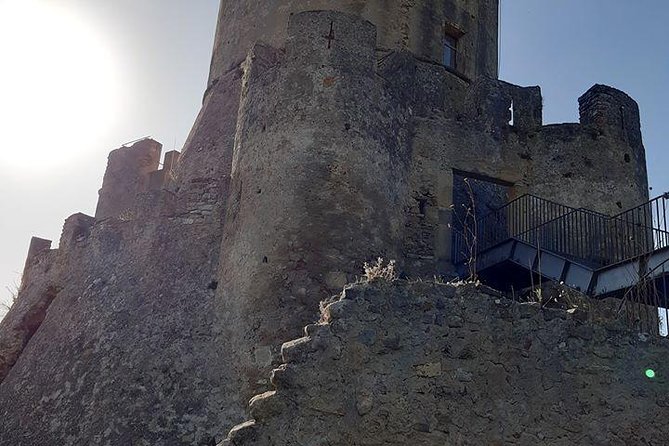
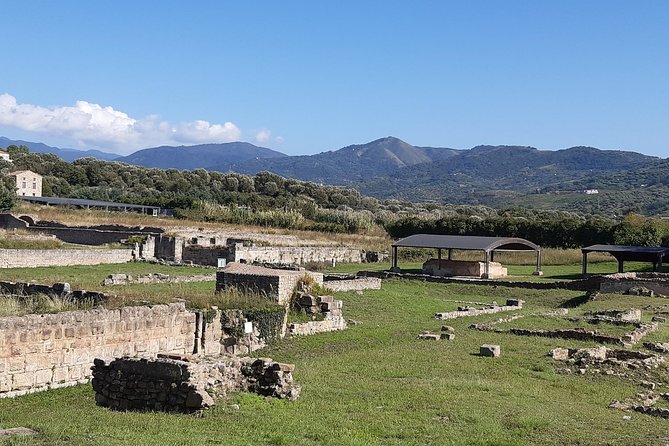
You will visit Torre Velia di Ascea, an archaeological area tied to Greeks, Lucanians, and Romans, with highlights like the necropolis and the Porta Rosa. If you enjoy ruins that still feel raw and in-progress, you will appreciate the working site vibe and the views from higher points.
Key things to know before you go to Torre Velia di Ascea
- Small-group pace (max 8 travelers) for easier questions and better guide attention
- Private round-trip transport from Pisciotta so you do not lose time getting there
- Necropolis and Porta Rosa are standout parts of the storytelling
- Multi-culture layers from Greek, Lucanian, and Roman periods
- Accessible paths and old Roman roads for a hands-on walk through time
- Mobile ticket with confirmation at booking time
The big idea: why this Velia visit feels different than the usual stops
Most first-time Campania trips cluster around a few famous names. This one takes you to the quieter side of the region, in Cilento, where the coastline is beautiful and the ruins are spread out rather than shoehorned into day-trip crowds.
The payoff is simple. You get a focused half-day at Torre Velia di Ascea, without a long day of transit. I like that the plan is structured around one main archaeological area, not a checklist of stops where nothing gets time.
It also helps that Cilento’s public transportation can be limited. With the transfer included from Pisciotta, you can actually enjoy the day. No scavenger hunt. No guessing whether the last bus will come back.
If you like ancient sites but prefer not to stand around reading stone labels for an hour, the guide presence matters. A good guide can turn scattered walls and tomb spaces into a clear timeline.
Price and timing: what $77.95 gets you (and what to budget for)
The price is $77.95 per person for an experience that runs about 4 hours total. It is a half-day format, so you will return to the same meeting point, Via Borgo, 84066 Pisciotta SA.
Two things to keep in mind when judging value:
- Entrance tickets are not included. You will need to add them on your end.
- Transportation and a guided visit are included, which is often the biggest cost in areas with limited transit.
For many travelers, the value equation is about time and effort. In Cilento, saving yourself the logistics can be worth real money. This tour also limits the group size to a maximum of 8, which usually means a more comfortable pace and more direct interaction with the guide.
If you are traveling with family or older relatives, the half-day timing helps. If you are a history lover, the site depth helps. Either way, the experience is built around one place, which makes it easier to understand what you are seeing.
Meeting point in Pisciotta and how the day runs
You start at Via Borgo, 84066 Pisciotta SA, Italy, with a 9:00 am start time. The tour returns you back to the meeting point at the end.
That round-trip structure matters. It reduces the stress of planning your own back-and-forth across a region that is not always built for quick hopping between sites. It also keeps your day from turning into a half-day lost to transit.
The program can change based on conditions, which is worth noting if you have other plans later in the day. Bring that flexibility, especially around weather.
You will also receive confirmation at the time of booking. The tour uses a mobile ticket, so you will want your phone charged and ready.
Torre Velia di Ascea: the half-day focus with big layers
This is the heart of the tour, and it is why it works. Torre Velia di Ascea sits in the Piana di Velia district, in the municipality of Ascea. It is not just one era of ruins. It is a place where different civilizations left traces that still line up if you know what to look for.
The visit is centered on two major themes:
- The human story of burial and city life, especially in the necropolis
- The shifting power and culture layers, from Greek roots to Lucanian presence to Roman continuation
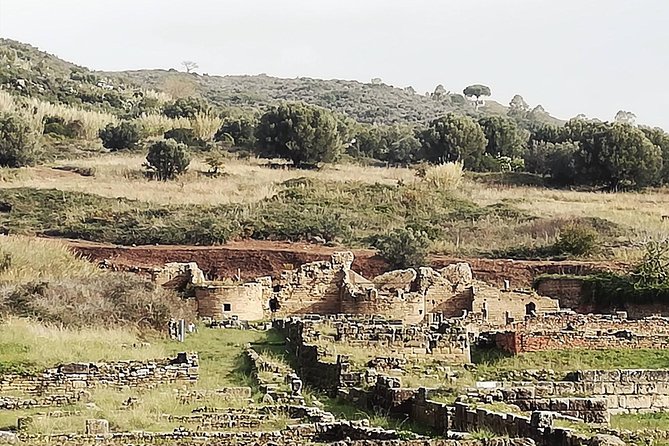
From the moment you start walking, you are in an environment that feels like it is still being pieced together. Archaeologists working on site can make the visit feel more real, like you are seeing scholarship in action rather than a finished museum set.
The necropolis and Porta Rosa, your time-travel anchors
One of the reasons Torre Velia di Ascea is so compelling is that you can move from tomb areas to city-level structures within the same overall visit.
The necropolis is where you see how ancient communities handled death and memory. Tomb spaces are not just stone. They are clues about belief, status, and daily life.
Then there is the Porta Rosa, often described as a journey through time. Passing through or near this kind of threshold structure helps you understand how a place could evolve while still keeping recognizable routes and boundaries. It is the kind of detail that makes the site more than a scatter of ruins.
Greek, Lucanian, and Roman threads you can actually follow
The site is described as having testimonies left by Greeks, Lucanians, and Romans. That matters because it changes how you interpret the shapes and layouts.
If you are expecting a single-style ruin, you might be disappointed. But if you enjoy pattern recognition, this is satisfying. The transitions between cultures are often visible in how spaces were used and rebuilt.
You also get an intellectual connection to philosophy. Velia is known for figures of Parmenides and Zeno, associated with the Eleatic philosophical school. The site context connects that Hellenistic period development with later Roman age continuation. Even if you are not a philosophy nerd, it helps you see why the area mattered beyond trade and buildings.
You start to notice that ruins are not only about architecture. They reflect ideas, schools, and the kind of people who were drawn to the place.
The walk: paths, old roads, and what your shoes should handle
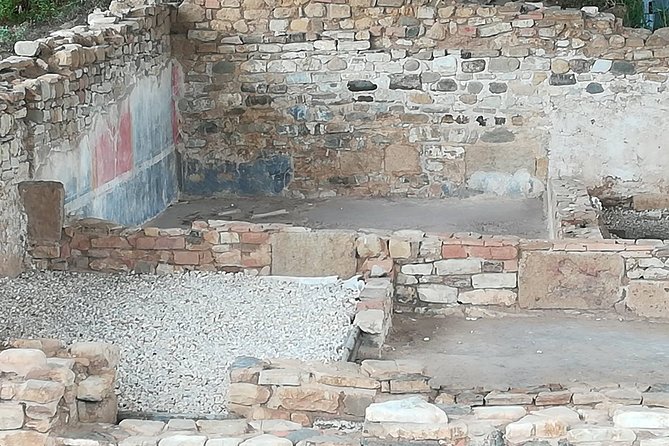
This is a walking tour, but it is not a fitness boot camp. You are guided through an archaeological area where many parts have accessible paths. You can walk easily on routes designed for visitors, and in some sections you may even walk on old roadways tied to the Roman era.
That said, you will still want comfortable walking shoes. Ancient sites can mean uneven ground, dust, and occasional rocky spots. You can get by with sneakers, but shoes with decent grip will make the day nicer, especially if the weather is warm.
I also like that you are not dealing with a huge number of moving parts. You are not running from one bus to another. You are settling into one site and letting it unfold at a human pace.
Views from the tower: why the elevation matters
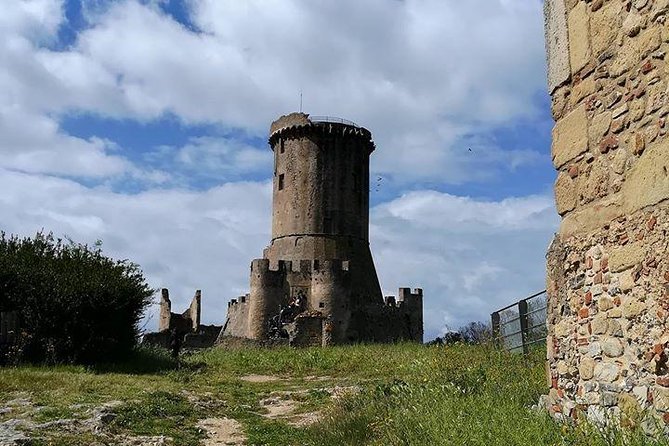
Torre Velia di Ascea includes a tower component, and the higher viewpoints are a real part of the experience. The view over the surrounding area helps you understand the site’s placement.
When you can see the bigger picture, the layout makes more sense. Ruins in isolation can feel confusing. Ruins with a view often feel like a plan.
The tower also changes the rhythm of the tour. It breaks up the walking and gives you a moment to look, then read the stones again from a new angle.
If you hate slow climbs, keep it realistic. This is an archaeological area, so expect some stairs or uneven ground in places. Nothing about it suggests a full-on hike, but it is also not a sit-and-scroll visit.
The guide factor: why you should ask questions early
The guided component is a major part of the value here. You get a tour with an authorized guide, and guides are there to answer questions and guide your attention to meaningful details.
In particular, the guides have been singled out for being engaging and professional, with strong explanations that keep the visit moving. One guide name you might hear is Anna. If your group has her, you are in good shape for explanations that feel clear rather than scripted.
If you are the type who reads stones and wonders what you are missing, you will enjoy the Q and A opportunities. If you are more hands-on and prefer to ask about daily life rather than dates, you will also get traction, because the site offers multiple ways to interpret what you see.
My advice: ask early. The first part of a guided visit sets your mental map. Once you have that map, everything afterward clicks faster.
The site tech: an app that helps you connect the dots
A lot of the meaning at archaeological parks comes from context, not just what you can see. This experience includes access to a handy app that provides more information about different locations around the site.
That combination is helpful. The guide gives you the story, and the app helps you pin down what you are looking at when you are standing right there. If you like to move at your own pace while still having structure, it is a good match.
Download it if instructions are provided. At minimum, keep your phone ready so you can use it on the spot.
Weather and comfort: small planning choices that make the day better
This experience requires good weather. That is not just a fine print detail. Archaeological sites depend on walking, visibility, and stable ground.
If you are booking for a period with mixed forecasts, keep an open mind. The tour may be affected by weather conditions, and you might be offered a different date or a full refund if canceled due to poor weather.
For comfort, bring the basics:
- Water for a 4-hour day
- Sun protection, especially in warm months
- Walking shoes with grip
You can keep it casual, but you should dress for walking. The site is outdoors and you will spend a good chunk of time moving.
Who should book this Torre Velia di Ascea tour?
This tour fits best if you match one or more of these profiles:
- You are staying in or near Pisciotta and want an easy way to reach Cilento’s archaeological areas
- You love ancient sites but prefer a small group and an organized guide
- You want a multi-culture ruin experience, Greek, Lucanian, and Roman in one setting
- You like scenic viewpoints that help you understand where a site sits in the region
- You want a half-day plan that does not swallow your entire vacation day
If you only have a short attention span and want the most famous big-ticket ruins in Italy, this might feel too specific. But if you enjoy thoughtful ruins and the satisfaction of seeing layers, it is a strong choice.
Should you book Archaeological Park of Velia from Pisciotta?
I would book it if you want one well-targeted archaeological stop with transport handled for you. The combination of private logistics, a small group size up to 8, and a guide-led visit is a practical win, especially in an area like Cilento where getting around can be a little tricky.
Add the fact that the site includes necropolis spaces, Porta Rosa, and Roman-era road sections, plus tower views, and you have a well-rounded experience for a half-day.
Just factor in the one cost that is not included. Entrance tickets will be extra. Also, plan for some walking on uneven ancient ground, even if paths are accessible and sturdy shoes are not strictly required.
If you are on the fence, here is the simple test:
- If you want a guided, structured visit to Torre Velia di Ascea with less hassle from Pisciotta, book it.
- If you are trying to minimize walking and costs, or you already have your own transport plan to the site, you might compare options.
FAQ
FAQ
What is the duration of the Torre Velia di Ascea tour from Pisciotta?
It runs for about 4 hours total, described as a half-day visit.
What is included in the tour price?
Transportation from and to the hotel area, plus a tour with an authorized guide.
Are entrance tickets included?
No. Entrance tickets are not included, so you will need to budget for them separately.
Where does the tour start in Pisciotta?
The meeting point is Via Borgo, 84066 Pisciotta SA, Italy, starting at 9:00 am.
How large is the group?
The tour has a maximum of 8 travelers.
Does the tour depend on weather?
Yes. It requires good weather. If it is canceled due to poor weather, you will be offered a different date or a full refund.
More Tour Reviews in Campania
- From Amalfi: Li Galli Islands and Capri Full-Day Boat Tour★ 4.6 · 182 reviews
- Horse Riding on Mount Vesuvius★ 5.0 · 85 reviews
- Boat tour to discover the Costa del Mito of Capo Palinuro★ 5.0 · 71 reviews
- “Classic” Boat Trip to Capo Palinuro★ 5.0 · 67 reviews
- Calabrian Alpacas Sunset Beach Experiences Pizzo VV AlpacSelfies★ 5.0 · 28 reviews