
REVIEW · SORRENTO WINE EXPERIENCES
Wine tasting at the Apicella winery
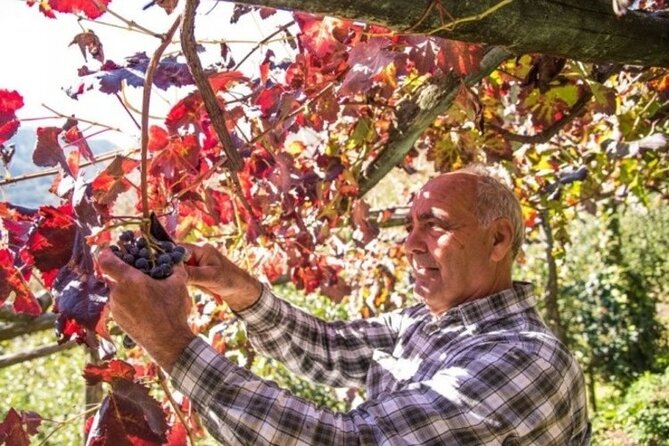
A good wine trip starts before the first sip. At Apicella on the Amalfi Coast, you connect the dots between Tramonti tradition, a historic A’ Scippata vineyard, and how the wines actually become wine. The whole experience has a family-business feel, plus a production lesson that is practical, not just ceremonial.
I especially like the hands-on way the visit moves from vineyard to cellar, and the tasting is paired with classic Tramontini bites. You also get a warm, welcoming host style that makes it easy to ask questions, even if your wine vocabulary is still under construction.
One thing to consider: the tasting begins at 11:30am and the outing requires good weather. There is a short walk to the vineyard, so if your legs are limited, plan accordingly.
Key highlights you will feel right away
- Historic A’ Scippata prephylloxera vineyard: a quick walk to a pergola vineyard tied to the area’s old vine story
- Cellar walkthrough of red and white production: fermentation, stabilization, and ageing explained step by step
- Tasting wines in production: you sample while the winemaking process is actively explained
- Food pairing with typical Tramontini products: cheeses, cured meats, and toasted bread
- Private group format: only your group participates, so the pacing stays focused
- Family-run atmosphere and easy conversation: the host brings the story with friendliness and clarity
Cantine Apicella and Tramonti’s wine DNA
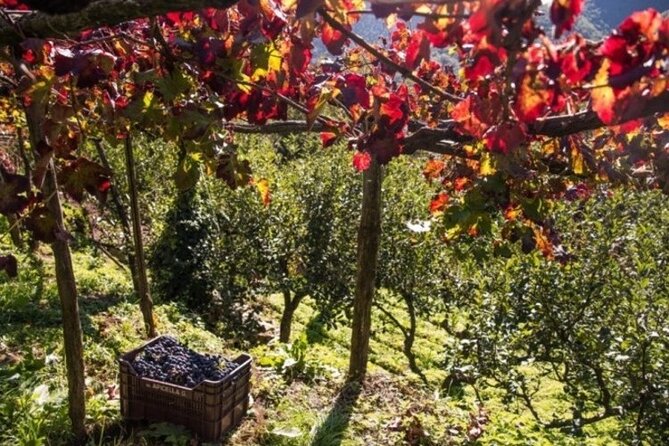
Wine on the Amalfi Coast can look all views and no substance. Here, the romance has a backbone. Apicella is rooted in Tramonti, a historic brand of viticulture on the Amalfi side, where the land is treated like the main ingredient, not a backdrop.
What makes the story worth learning is the pivot in the winery’s modern identity. The Apicella family cultivated the land for generations, and until the early 1970s produced excellent table wine. Then Giuseppe Apicella decided to create his own label and bottle what his family had been making, with the first vintage marketed in 1977. That starting point was around 3,000 bottles of Tramonti red, the kind of launch that says, we are taking control of our own craft.
That matters to you because the tasting is about style and balance, not just labels. Apicella’s approach is described as traditional in character, and there is an emphasis on balancing production to protect biodiversity in the area. Translation: you are not just tasting what tastes good, you are hearing why the growers aim for sustainable rhythm in their viticulture.
The A’ Scippata vineyard visit, and what to watch for
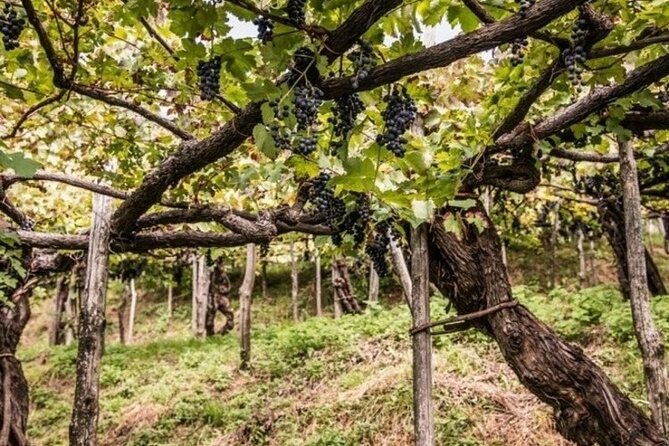
The experience starts at Cantine Apicella in Tramonti, then you head to the historic vineyard. The walk to the pergola vineyard is short, about five minutes on foot from the cellar, which keeps the day feeling relaxed instead of rushed.
The vineyard stop is called A’ Scippata, described as a prephylloxera family vineyard. Even if you are not chasing technical terms, old-vine vineyards are often where you notice structure: grape character tends to feel more grounded, and the wines can show personality instead of only smoothness. You will also get the sense that this family has kept working the land long enough to treat it like a living system.
What I love in this kind of vineyard visit is how it sets up the next hour. Before you get stuck into fermentation talk, you can look at the setting and understand that the production lesson is not abstract. It is tied to specific growing choices and to the idea that Tramonti’s agricultural identity is a safeguard for what grows well there.
Practical note: wear shoes that handle uneven paths. The walk is brief, but you will be happier if your footing feels secure, especially if the weather turns.
Inside the cellar: fermentation, stabilization, and ageing made clear
Back at the cellar, the tour turns from outdoors to process. You get an explanation of the production journey, including fermentation of both red and white wines, plus stabilization and ageing. If you usually skip winery tours because they feel vague, this is the kind of explanation that tends to click, because it follows the steps instead of jumping straight to tasting notes.
Here is what you should expect, in plain terms. Fermentation is where grape juice becomes wine, and you learn that red and white paths can differ in how the winemaker handles the juice and fermentation conditions. Then comes stabilization, which you can think of as the stage that helps the wine behave consistently. Finally, ageing is where the winery shapes the final feel of the wine over time.
You are also not left staring at barrels with no context. The cellar visit is designed as a lead-in to the tasting, so the production talk has a reason. When you later taste wines in production, you understand why they might taste one way now and another way after ageing.
If your group includes people who are new to wine, this part is a win. The process is explained in a way that helps you follow along, and the questions you ask land in the right place because the guide has already given the framework.
The tasting: red and white wines with classic Tramontini pairings
The tasting portion is built around wines currently in the production process, paired with typical Tramontini food: cheeses, cured meats, and toasted bread. This is a smart pairing set if you want to taste the wines without it turning into a heavy meal.
I like that the food is region-forward. In a lot of wine tastings, the snacks feel generic, like a box lunch trying to pass as local. Here, the pairing is described as typical Tramontini products, so the flavors are more likely to mirror what locals eat alongside wine in this part of Campania.
Expect the host to guide you through the tastings, likely in a paced sequence that matches the production story. The wines you sample include both red and white, which gives you an easier way to compare style. Reds may show more weight and structure, while whites can highlight aromatics and freshness. Even if you do not consider yourself a wine person, tasting both in one sitting helps you learn what to pay attention to beyond sweetness level.
One small but real tip: take your time between sips. Because this tour centers on explanation and food pairings, rushing makes it harder to notice differences between fermentation stages and wine structure. If you go slowly, you will get more out of the experience without needing extra wine knowledge.
Price and value for a 2-hour Amalfi Coast winery visit
At $101.27 per person for about two hours, this is not the cheapest “sit and sip” option. But you are paying for three things that often cost extra elsewhere: a structured vineyard-to-cellar route, a production-focused explanation, and a private group experience.
The format is described as private, meaning only your group participates. That is a big value boost compared to large groups where questions get lost and the tour becomes a conveyor belt. Also, the experience is offered in English, and it includes a mobile ticket, so you spend less time figuring out logistics and more time enjoying the visit.
There is also a demand signal worth noting: on average, bookings happen about 93 days in advance. That usually means you should plan ahead if your Amalfi schedule is tight. If you wait until the last moment, you may find fewer times that fit your day in the area.
Finally, this timing has practical advantages. A 11:30am start is often ideal on the Amalfi Coast because it helps you avoid a late-afternoon rush, and it keeps your day flexible for lunch plans afterward.
Logistics that actually matter on the Amalfi side
You meet at Cantine Apicella at Via Castello Santa Maria, 1, 84010 Tramonti SA, Italy. The activity ends back at the meeting point, so you do not need to worry about a messy “drop off somewhere else” situation.
The tour also runs with a weather requirement, described as needing good weather. If weather cancels the experience, you are offered another date or a full refund. That is exactly what you want for a vineyard-and-cellar format where outdoor time is part of the magic.
A couple more practical notes from the provided details: service animals are allowed, and the experience states that most travelers can participate. It is also near public transportation, so even if you are not driving every day, you should have options for getting there.
If you are planning this while staying in Positano, Amalfi, or Sorrento, build buffer time for getting to Tramonti. The tour itself is only about two hours, but coast traffic can turn “short trip” into “slow trip.” A little extra margin makes the whole day feel calmer.
Who should book Apicella, and who might skip it
This wine tasting is a strong fit if you want a more grounded Amalfi Coast experience. I think it works best for people who enjoy learning how wine is made, not just tasting it. The fermentation, stabilization, and ageing explanation gives you something to take home, even if you only remember a few key ideas.
It also fits well if you are traveling with a small group or want a calmer setting. Because it is private, you can ask your own questions and the pacing stays connected to your group’s curiosity.
You might want to choose something else if your idea of a winery visit is mostly about scenery and you are not interested in production details. The tasting is paired and focused, but this is not a purely scenic stroll through views. It is a wine education plus tasting experience, and you get the most out of it if you are open to that.
Should you book Wine tasting at the Apicella winery?
Book it if you want Tramonti wine with substance: vineyard-to-cellar flow, a clear production explanation, and a guided tasting paired with local, typical Tramontini foods. At $101.27 for about two hours, it feels like a fair trade if you value a private format and a real lesson on how red and white wines are handled.
Skip it only if you are avoiding winery process talk or if your schedule is so tight that a weather-sensitive plan would stress you out. Otherwise, this is the kind of outing that leaves you feeling you learned something, not just tasted something.
FAQ
What time does the wine tasting start?
The experience starts at 11:30am.
How long is the Apicella wine tasting?
It lasts approximately 2 hours.
Where is the meeting point?
You meet at Cantine Apicella, Via Castello Santa Maria, 1, 84010 Tramonti SA, Italy.
Is the tour private, and is it offered in English?
Yes, it is a private tour/activity, and it is offered in English.
What happens if the weather is poor?
The experience requires good weather. If it is canceled due to poor weather, you will be offered a different date or a full refund.
What is the cancellation policy for a full refund?
You can cancel up to 24 hours in advance for a full refund. If you cancel less than 24 hours before the start time, the amount you paid will not be refunded.
More to Taste around Amalfi
- Genuine Home Cooking Class + Wine Tasting★ 5.0 · 122 reviews
- Amalfi Coast – Maiori: Path of Lemons Tour with Tasting★ 5.0 · 109 reviews
- Authentic Amalfi Lemon Tour & Tasting in the Historical Garden★ 5.0 · 52 reviews
- Cooking Class on the Amalfi Coast with Tasting Included★ 4.5 · 49 reviews
- Amalfi Organic Lemon Tour & Tasting in the Historical Garden★ 4.9 · 46 reviews
More Tour Reviews in Amalfi
- Amalfi Coast: Boat and Snorkeling Tour with Fruit & Drinks★ 4.9 · 985 reviews
- Hands-On Cooking Class & Farmhouse Tour on the Amalfi Coast★ 5.0 · 956 reviews
- Amalfi Coast & Positano: Boat Tour with Snorkeling & Drinks★ 5.0 · 671 reviews
- From Rome: Pompeii, Positano and Amalfi Full-Day Tour★ 4.7 · 430 reviews
- Authentic Cooking with Locals: Meal, Wine & Scenic Views★ 5.0 · 396 reviews
Campania by the Glass
- Genuine Home Cooking Class + Wine Tasting★ 5.0 · 122 reviews
- Amalfi Coast Wine Tour★ 5.0 · 83 reviews
- Pompei Archeological site and Wine tasting Experience★ 5.0 · 28 reviews
- Tenuta San Francesco Wine Tasting★ 5.0 · 17 reviews
- Amalfi Organic Lemon Tour & Wine Tasting + Dinner or Lunch★ 5.0 · 4 reviews
More ways into Sorrento Wine Experiences.
 ★ 5.0Sorrento Farm and Food Experience including Olive Oil, Limoncello, Wine tastingFrom $1142,524 reviews
 ★ 4.5Naples: Pompeii and Mt. Vesuvius with Lunch and Wine TastingFrom $1412,454 reviews
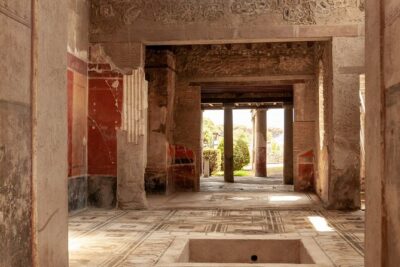 ★ 5.0Pompeii Tour & Lunch with Wine Tasting ExperienceFrom $120383 reviews
 ★ 5.0Pompeii Vineyard Escape: Private Wine Tasting & LunchFrom $66329 reviews
 ★ 5.0E-Bike Food and Wine Tour in the Sorrento PeninsulaFrom $131271 reviews
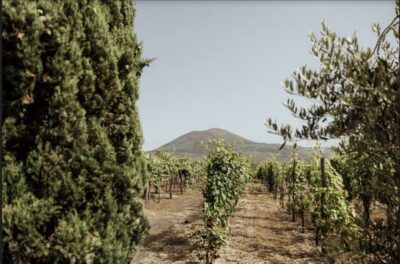 ★ 4.8Mount Vesuvius: Vineyard Tour with Wine Tasting and LunchFrom $65193 reviews
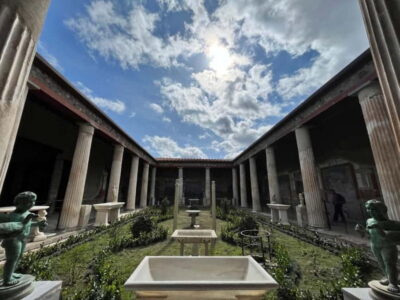 ★ 4.6Pompeii: Archeological Tour & Wine Tasting at Mt. VesuviusFrom $135142 reviews
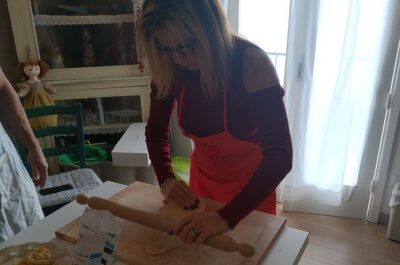 ★ 5.0Genuine Home Cooking Class + Wine TastingFrom $181122 reviews
Other useful routes from here